


Wrightia tinctoria (Water Jasmine)
Original price was: ₹1,299.00.₹850.00Current price is: ₹850.00.
Selling Size : Single Plant | Pot Included | Secure Packing
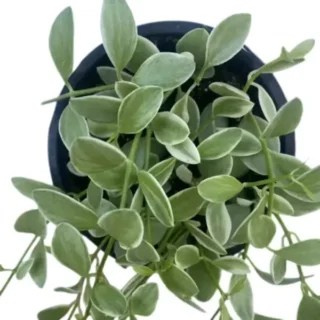
Wrightia tinctoria (Water Jasmine), commonly called Water Jasmine, Sweet Indrajao, Pala Indigo Plant, or Dyer’s Oleander, is a graceful tropical shrub or small tree known for its fragrant white flowers, medicinal uses, and elegant appearance. Unlike Wrightia religiosa (the bonsai-friendly Water Jasmine), W. tinctoria grows larger and prefers slightly drier conditions. With proper care, it grows into a lush, highly aromatic plant that blooms heavily in warm climates.
This guide explains everything you need for successful cultivation at home or in gardens.
🌿 Wrightia tinctoria (Water Jasmine) Care Guide :
☀️ Light Requirements
Wrightia tinctoria thrives in bright light and full to partial sun.
-
Provide 4–6 hours of direct morning sunlight.
-
Afternoon sun is also tolerated, especially in mild climates.
-
If growing indoors, place near the brightest window or balcony.
Good sunlight encourages dense foliage and abundant blooming. In low light, the plant becomes leggy, growth slows, and flowering reduces significantly.
💧 Watering Needs
Although commonly called Water Jasmine, W. tinctoria does not like soggy soil.
Watering tips:
-
Water only when the top 2–3 cm of soil dries.
-
Keep soil slightly moist during the growing season (spring–monsoon).
-
Reduce watering in winter or cool months.
Signs of overwatering:
-
Yellowing leaves
-
Mold on soil
-
Slow growth
-
Root rot
Signs of underwatering:
-
Wilting
-
Dry, crispy leaves
-
Early leaf drop
Maintaining a balanced watering schedule is key. Ensure your pot has excellent drainage.
🌡️ Temperature & Humidity
Wrightia tinctoria is a tropical species that loves warmth.
-
Ideal temperature: 20–34°C
-
Can tolerate heat up to 38°C if watered well.
-
Avoid exposure below 12–15°C; it may drop leaves in cold stress.
Humidity should be moderate.
-
40–60% is perfect.
-
Avoid misting excessively, as the plant prefers open airflow over wet leaves.
🌱 Soil & Potting Mix
This plant thrives in well-draining, loose, fertile soil. The best formula is:
Potting mix (recommended):
-
40% garden soil
-
30% compost/cow dung
-
20% coarse sand or perlite
-
10% cocopeat (optional for moisture retention)
The soil should not remain soggy but must retain enough moisture during summer.
Repot every 2–3 years or when roots circle the pot.
🌸 Flowering & Growth
Wrightia tinctoria blooms mainly during warm months, especially spring to monsoon. Its flowers are small, star-shaped, and highly fragrant.
To promote vigorous flowering:
-
Maintain full sunlight
-
Feed regularly (see fertilization section)
-
Avoid heavy pruning during flowering seasons
-
Keep the soil lightly moist
The flowers also attract bees and butterflies, making the plant ideal for pollinator-friendly gardens.
🌼 Fertilization
Fertilize regularly for lush green leaves and continuous blooms.
Best fertilizers:
-
NPK 10-10-10 or NPK 19-19-19 (every 20–30 days)
-
Organic compost every 45 days
-
Bone meal once in 2 months to enhance flowering
Avoid excessive nitrogen, as it promotes foliage at the expense of blooms.
During winter, reduce feeding to once every 45–60 days.
✂️ Pruning & Maintenance
Pruning keeps the shrub compact and encourages branching.
When to prune:
-
Early spring—before new growth
-
After each flowering cycle
-
Remove dry, leggy, or crossing branches anytime
Avoid cutting thick stems excessively, as this slows recovery. For shaping, always prune above a leaf node.
🐞 Pests & Diseases
Common pests:
-
Aphids
-
Mealybugs
-
Whiteflies
-
Spider mites
Treat using:
-
Neem oil spray (weekly for 3 weeks)
-
Insecticidal soap
-
Alcohol-soaked cotton for mealybugs
Disease issues are usually caused by overwatering, leading to root rot or fungal leaf spots.
🌟 Conclusion
Wrightia tinctoria is an elegant, fragrant tropical plant that thrives with minimal care once properly established. Give it ample sunlight, water moderately, maintain good drainage, and prune regularly to keep it lush and blooming. With the right growing conditions, this plant becomes a beautiful ornamental shrub that fills your garden or balcony with delightful fragrance and year-round charm.
.
Related products
-
Golden Sedum Plant
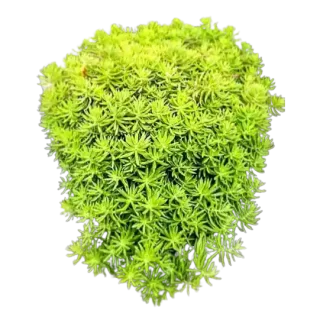
Original price was: ₹549.00.₹349.00Current price is: ₹349.00.Add to cartSelling size: Well rooted plan | 2.5″ pot included The Golden Sedum (Sedum adolphii) is a popular succulent known for its bright, fleshy, evergreen leaves that can take on a beautiful golden-yellow or even reddish-pink tint in bright sun. It has a trailing or spreading growth habit, making it a great choice for hanging baskets, …
-
Lemon Button Fern Plant
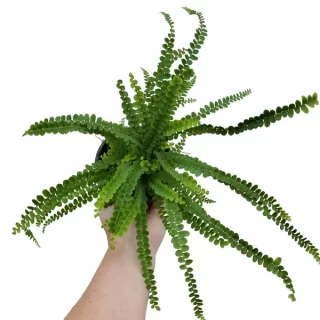
Original price was: ₹539.00.₹179.00Current price is: ₹179.00.Add to cartSelling Size: Single plant | 2.5″ Pot Included The Lemon Button Fern (Nephrolepis cordifolia ‘Duffii’) is a popular and relatively easy-to-care-for fern. It’s known for its compact, arching fronds with small, button-like leaves and a subtle, lemony scent when you brush against them. Unlike some ferns, it’s a bit more forgiving of indoor conditions, making …
-
Spanish Moss Air Plant
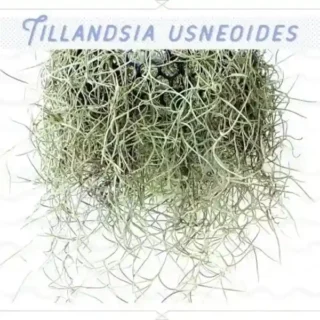
Price range: ₹49.00 through ₹1,699.00Select options This product has multiple variants. The options may be chosen on the product pageSelling size: PLEASE CHOOSE Spanish Moss Air Plant – CARE INSTRUCTIONS Scientific name: Tillandsia usneoides Synonyms: Old man’s beard, Spanish Moss, French Hair, Spanish Beard Spanish Moss is a delicate silvery-grey air plant that is often used to hang in trees or as a gorgeous decor piece without the need for soil. Despite its name, Spanish Moss …
-
Calathiya Rattlesnake Plant
Price range: ₹125.00 through ₹549.00Select options This product has multiple variants. The options may be chosen on the product pageSelling size: Please Choose | Secure Packing | 2.5″-4″ Pot Included Calathiya rattlesnake is a plant easy to care for. However, there are a few measures and precautions you need to take to grow and maintain yours. Here’s a comprehensive guide for rattlesnake plant : Light Calathea Lancifolia prefers bright, indirect light. Like most variegated …
-
Scindapsus Pictus Exotica
Original price was: ₹380.00.₹99.00Current price is: ₹99.00.Add to cartSelling size: Single Plant | 2.5″ Pot Included The Scindapsus Pictus Exotica, also known as the silver pothos, is a houseplant with large, dark green leaves that have silver spots and mottling. Here’s a guide to caring for your Scindapsus pictus Exotica plant: Light: Prefers bright, indirect light. An east or west-facing window that’s about …
-
Philodendron Mican plant
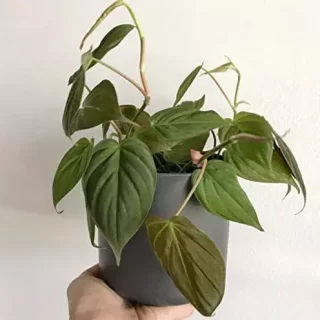
Original price was: ₹650.00.₹99.00Current price is: ₹99.00.Add to cartSelling size: A well rooted plant | 2.5″ Pot Included The Philodendron Micans (Philodendron hederaceum ‘Micans’), also known as the Velvet-Leaf Philodendron, is a popular, easy-care trailing or climbing houseplant prized for its unique, velvety, heart-shaped leaves that emerge a beautiful chartreuse/pink and mature to a deep, iridescent, bronze-green with hints of purple. Here is …
-
Dischidia Oiantha plant
Price range: ₹99.00 through ₹599.00Select options This product has multiple variants. The options may be chosen on the product pagePlant Size: Single plant | Secure Packing The Dischidia oiantha, often referred to as a “Hoya cousin,” is a charming, easy-to-care-for epiphyte with trailing vines and small, oval, succulent-like leaves. It’s a great choice for hanging baskets or for adding a touch of whimsy to a shelf. Here is a comprehensive guide to caring for …



 If you need any assistance, I'm always here. Have you found what you were looking for?