
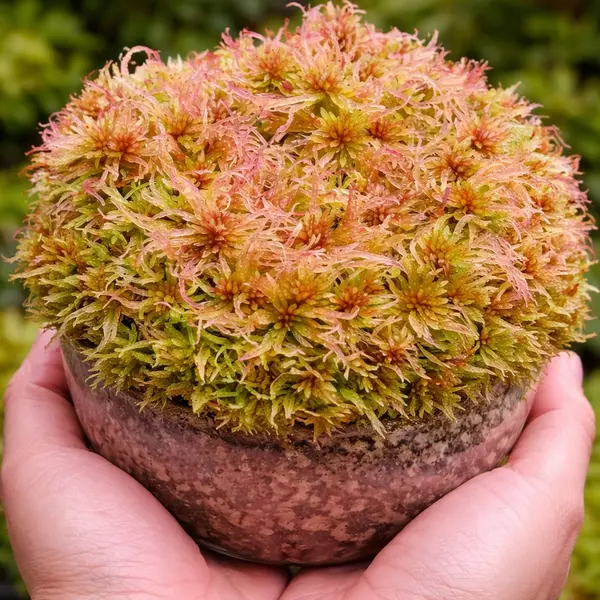
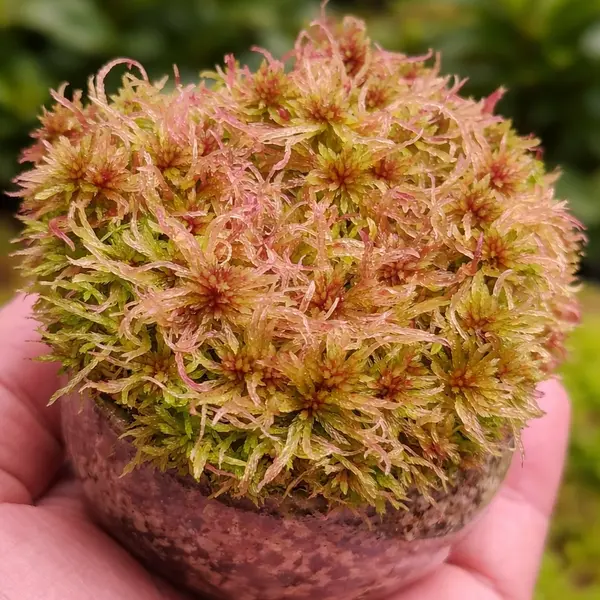
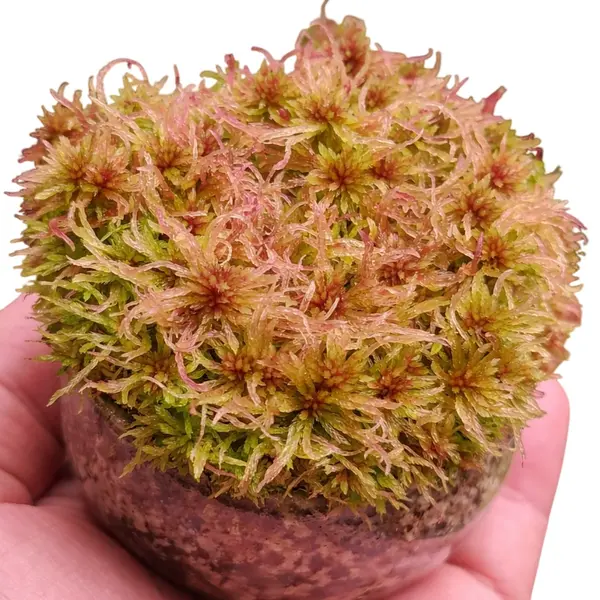
Sphagnum Subnitens Moss
Original price was: ₹4,000.00.₹1,699.00Current price is: ₹1,699.00.
Selling size: Sapling mentioned in the 3rd image | Acrylic Pot Included | Secure packing | Free Shipping
Sphagnum Subnitens Moss is a visually striking sphagnum moss species admired for its soft texture and attractive coloration, which often ranges from bright green to golden yellow with subtle reddish or pink undertones at the growing tips. It is widely used by orchid growers, carnivorous plant enthusiasts, and terrarium hobbyists because of its excellent moisture-holding capacity and natural antibacterial properties. With proper care, Sphagnum subnitens can remain lush and healthy for long periods.
Sphagnum subnitens Moss Care Guide :
Natural Habitat and Growth Habit
In the wild, Sphagnum subnitens grows in cool, wet environments such as bogs, marshes, and damp forest floors. It naturally thrives in acidic, nutrient-poor conditions with constant access to clean water. The moss grows as dense, spongy carpets or rounded mounds, slowly expanding outward. Its ability to retain large amounts of water makes it an essential component of many wetland ecosystems and a valuable growing medium for sensitive plants.
Light Requirements
Sphagnum subnitens prefers bright but indirect light.
-
Ideal light: filtered sunlight or shaded greenhouse light
-
Avoid direct midday sun, which can scorch the moss and cause rapid dehydration
In indoor setups, place the moss near a bright window with sheer curtains or under low to medium-intensity grow lights for 8–12 hours daily. Adequate light helps maintain its fresh green color and encourages healthy, compact growth.
Watering and Water Quality
Consistent moisture is critical for Sphagnum subnitens.
-
Keep the moss constantly moist but not submerged for long periods
-
Water frequently using rainwater, RO water, or distilled water
Tap water often contains minerals and salts that accumulate over time and damage sphagnum moss. Periodically flushing the moss with clean water helps prevent mineral buildup and keeps it healthy.
Humidity Requirements
This moss thrives in high-humidity environments, ideally between 70–100%.
It performs exceptionally well in:
-
Closed or semi-closed terrariums
-
Orchid cabinets
-
Greenhouses
In open-air conditions, frequent misting and the use of humidity trays can help maintain adequate moisture levels. Low humidity leads to drying, browning, and slow recovery.
Temperature Preferences
Sphagnum subnitens prefers cool to moderate temperatures.
-
Optimal range: 15–25°C
-
Tolerates slightly warmer temperatures if humidity remains high
Avoid placing the moss near heat sources, strong grow lights, or hot windowsills. Prolonged heat stress may cause discoloration or dieback.
Substrate and Placement
Sphagnum subnitens does not require soil. It can be placed directly on:
-
Plastic mesh or net pots
-
Shallow trays
-
Cork bark or driftwood
-
As a top layer for orchids and carnivorous plants
When using it as a growing medium, avoid compressing it too tightly. Light, airy placement ensures good airflow and prevents rot.
Fertilization
Fertilization is not recommended. Sphagnum moss is highly sensitive to nutrients and fertilizers can easily burn or kill it. If used with plants that require feeding, take care to avoid direct fertilizer contact with the moss.
Maintenance and Cleaning
Regular maintenance helps keep the moss fresh:
-
Remove brown or decaying portions promptly
-
Rinse occasionally with pure water to flush out debris and salts
-
Ensure gentle air circulation to prevent fungal or bacterial growth
Algae growth often indicates excessive light or stagnant moisture and can be controlled by improving airflow and slightly reducing light intensity.
Common Problems
-
Browning or drying: Low humidity or insufficient watering
-
Mold or rot: Poor airflow or constant waterlogging
-
Slow growth: Normal, as sphagnum moss grows gradually
Conclusion
Sphagnum subnitens Moss is a versatile, attractive, and functional moss species ideal for humid plant setups. With bright indirect light, pure water, high humidity, and stable temperatures, it will remain vibrant and healthy. Whether used for orchids, carnivorous plants, terrariums, or decorative moss displays, Sphagnum subnitens is an excellent choice for both beginners and advanced growers seeking reliable, living sphagnum moss.
Related products
-
Spanish Moss Air Plant
Price range: ₹49.00 through ₹1,699.00Select options This product has multiple variants. The options may be chosen on the product pageSelling size: PLEASE CHOOSE Spanish Moss Air Plant – CARE INSTRUCTIONS Scientific name: Tillandsia usneoides Synonyms: Old man’s beard, Spanish Moss, French Hair, Spanish Beard Spanish Moss is a delicate silvery-grey air plant that is often used to hang in trees or as a gorgeous decor piece without the need for soil. Despite its name, Spanish Moss …
-
Lemon Button Fern Plant
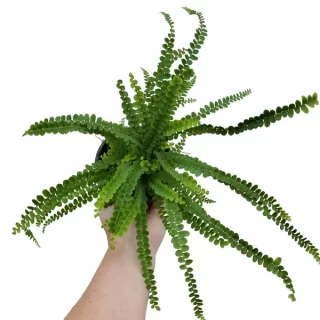
Original price was: ₹539.00.₹179.00Current price is: ₹179.00.Add to cartSelling Size: Single plant | 2.5″ Pot Included The Lemon Button Fern (Nephrolepis cordifolia ‘Duffii’) is a popular and relatively easy-to-care-for fern. It’s known for its compact, arching fronds with small, button-like leaves and a subtle, lemony scent when you brush against them. Unlike some ferns, it’s a bit more forgiving of indoor conditions, making …
-
Dischidia Oiantha plant
Price range: ₹99.00 through ₹599.00Select options This product has multiple variants. The options may be chosen on the product pagePlant Size: Single plant | Secure Packing The Dischidia oiantha, often referred to as a “Hoya cousin,” is a charming, easy-to-care-for epiphyte with trailing vines and small, oval, succulent-like leaves. It’s a great choice for hanging baskets or for adding a touch of whimsy to a shelf. Here is a comprehensive guide to caring for …
-
String Of Nickels (Dischidia nummularia)
Price range: ₹99.00 through ₹599.00Select options This product has multiple variants. The options may be chosen on the product pageSelling size: Well rooted plant in a Jiffy bag The Dischidia nummularia, commonly known as the String of Nickels or Button Orchid, is a delightful and easy-to-care-for trailing epiphyte. Its common name comes from its small, round, coin-shaped leaves that densely cover its long, slender stems. As a relative of the Hoya, it shares a similar …
-
Philodendron Moonshine
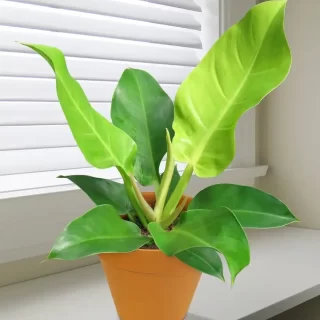
Original price was: ₹1,250.00.₹249.00Current price is: ₹249.00.Add to cartSelling size: Single plant | Pot included | Secure Packing The Philodendron Moonshine (often also called ‘Moonlight’) is a popular hybrid known for its vibrant, almost glowing, chartreuse-colored leaves. It has an upright, self-heading growth habit, so unlike many vining philodendrons, it doesn’t need a trellis or pole. Here is a comprehensive guide to caring …
-
Philodendron ‘Prince of Orange’
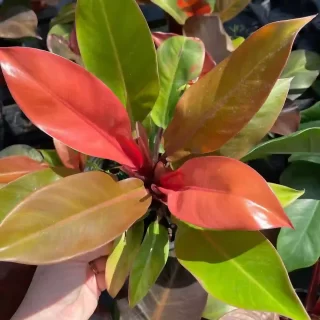
Price range: ₹199.00 through ₹620.00Select options This product has multiple variants. The options may be chosen on the product pageSelling Size : Single Plant | Pot Included | Secure Packing The Philodendron ‘Prince of Orange’ is a stunning and popular hybrid known for its vibrant, ever-changing leaf colors. New leaves emerge as a brilliant orange or coppery color, and as they mature, they transition to a lime green, then a deep, glossy green. It …
-
Golden Sedum Plant
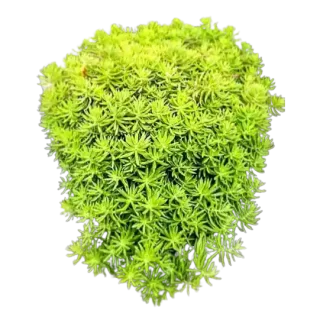
Original price was: ₹549.00.₹349.00Current price is: ₹349.00.Add to cartSelling size: Well rooted plan | 2.5″ pot included The Golden Sedum (Sedum adolphii) is a popular succulent known for its bright, fleshy, evergreen leaves that can take on a beautiful golden-yellow or even reddish-pink tint in bright sun. It has a trailing or spreading growth habit, making it a great choice for hanging baskets, …
-
Golden Pothos
Original price was: ₹355.00.₹99.00Current price is: ₹99.00.Add to cartSelling size : Well rooted plant | 2.5″ pot included The Golden Pothos (Epipremnum aureum), also known as Devil’s Ivy, is one of the most popular and easiest houseplants to care for, making it an excellent choice for beginners. It’s a vining plant with heart-shaped leaves that are a vibrant green, often with splashes or …


 If you need any assistance, I'm always here. Have you found what you were looking for?