
String of Dolphins
Original price was: ₹599.00.₹99.00Current price is: ₹99.00.
17 in stock
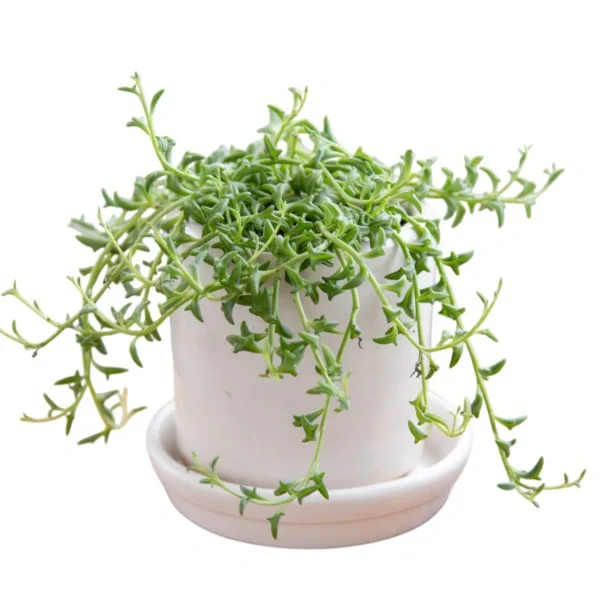
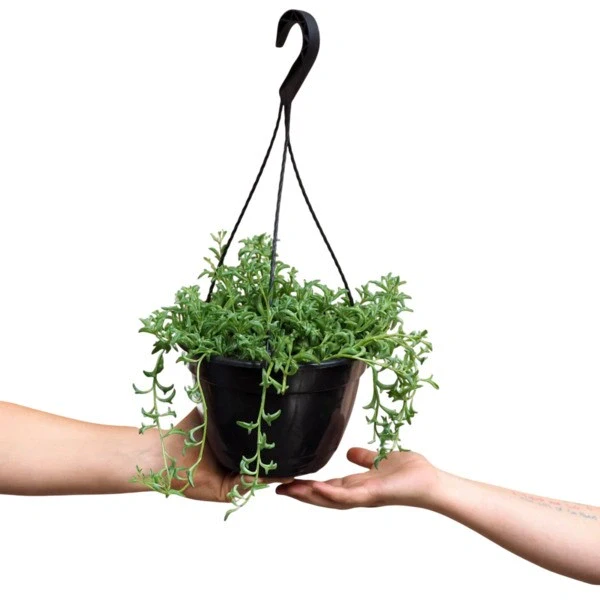
The “String of Dolphins” plant, scientifically known as Curio × peregrinus (formerly Senecio peregrinus), is a unique succulent with cascading stems and leaves resembling leaping dolphins, native to the Eastern Cape region of South Africa.
Here’s a more detailed look at this charming plant:
-
Unique Shape:
The plant’s most striking feature is its cascading stems adorned with small, curved, bluish-green leaves that resemble leaping dolphins.
-
Size:
It can grow up to 3 feet long and 6 inches tall, making it ideal for hanging baskets or spilling over shelves.
-
Flowers:
It produces small, white, cinnamon-scented flowers during the spring and summer.
-
Other names:
It is also known as flying dolphins, dolphin plant, or dolphin necklace
- Light: Prefers bright, indirect light, but can tolerate some low light conditions.
- Watering: Water sparingly, allowing the soil to dry out completely between waterings to prevent root rot.
- Soil: Use well-draining succulent or cactus soil mix.
- Temperature: Thrives in a temperature range typically found in indoor environments, between 65 and 75 degrees Fahrenheit (18 and 24 degrees Celsius).
- Humidity: Prefers slightly more humid conditions, so consider increasing humidity around the plant.
- Fertilizing: Minimal fertilization is needed, light feeding in the early spring can be beneficial.
- Pruning: Remove dead or dying parts back to the base to encourage new growth.
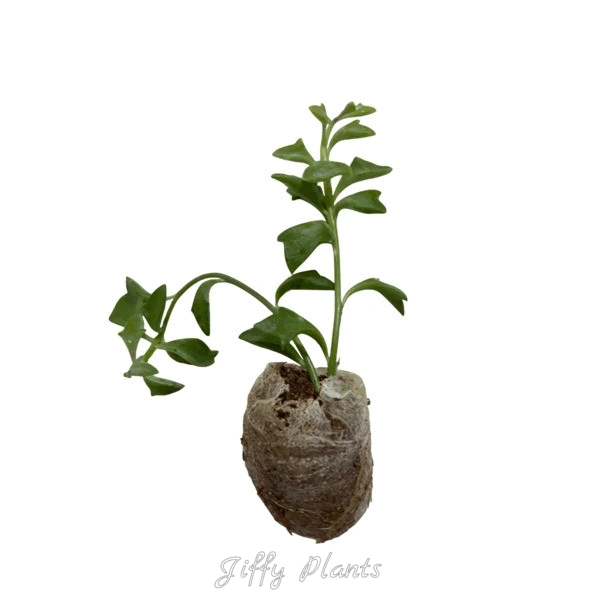
- Propagation: Easily propagated from cuttings.
- Pets: String of Dolphins can be mildly toxic to pets, so it’s best to keep it out of reach of animals.
- Humans: It can also be mildly toxic to humans, so avoid ingestion.
You must be logged in to post a review.
Related products
-
Golden Sedum Plant
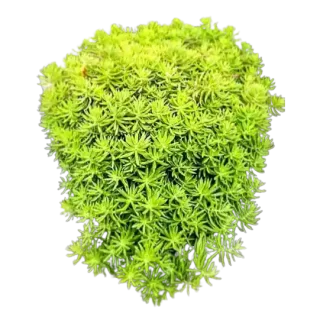
Original price was: ₹549.00.₹349.00Current price is: ₹349.00.Add to cartSelling size: Well rooted plan | 2.5″ pot included The Golden Sedum (Sedum adolphii) is a popular succulent known for its bright, fleshy, evergreen leaves that can take on a beautiful golden-yellow or even reddish-pink tint in bright sun. It has a trailing or spreading growth habit, making it a great choice for hanging baskets, …
-
Scindapsus Pictus Exotica
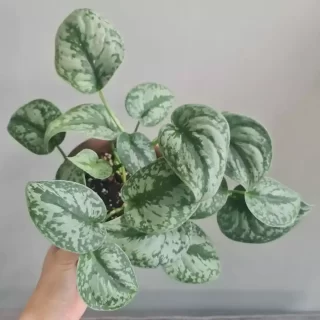
Original price was: ₹380.00.₹99.00Current price is: ₹99.00.Add to cartSelling size: Single Plant | 2.5″ Pot Included The Scindapsus Pictus Exotica, also known as the silver pothos, is a houseplant with large, dark green leaves that have silver spots and mottling. Here’s a guide to caring for your Scindapsus pictus Exotica plant: Light: Prefers bright, indirect light. An east or west-facing window that’s about …
-
Heliconia Variegated – Super Rare
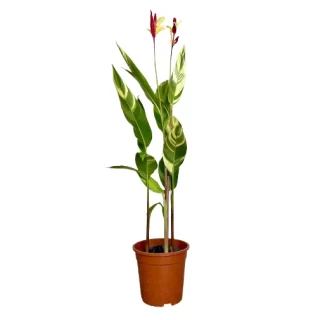
Original price was: ₹2,599.00.₹1,099.00Current price is: ₹1,099.00.Add to cartPlant size: Single plant | Pot Included | Free shipping The Variegated Heliconia (often a cultivar of Heliconia psittacorum, like ‘Lady Di’ or ‘Golden Torch’) is a striking tropical plant known for its banana-like leaves splashed with stripes of cream, yellow, or white. It is a demanding plant, requiring specific tropical conditions to thrive, especially …
-
Dischidia Ruscifolia (Million Hearts)
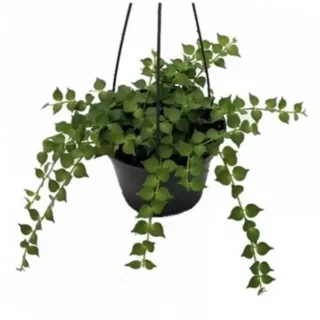
Price range: ₹199.00 through ₹499.00Select options This product has multiple variants. The options may be chosen on the product pagePlant Size: Single plant | 2.5″-6″ Pot Included The Dischidia Ruscifolia (Million Hearts), commonly known as the Million Hearts plant, is a delightful and easy-to-care-for trailing epiphyte. Its name comes from the abundance of small, heart-shaped leaves that densely cover its slender stems. As a member of the same family as Hoyas, its care …
-
Dischidia nummularia (Pebble Beach/ Button Orchid)
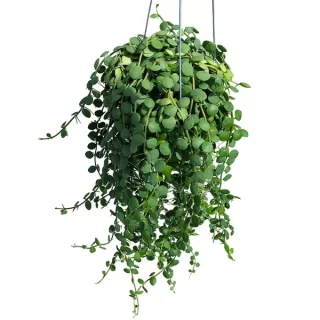
Price range: ₹99.00 through ₹599.00Select options This product has multiple variants. The options may be chosen on the product pagePlant Size: Single plant | 2.5″ Pot Included he Dischidia nummularia, commonly known as the String of Nickels, Pebble Beach plant, or Button Orchid, is a charming epiphyte with trailing stems covered in small, round, succulent-like leaves. It’s a great choice for hanging baskets and is known for being relatively easy to care for, especially …
-
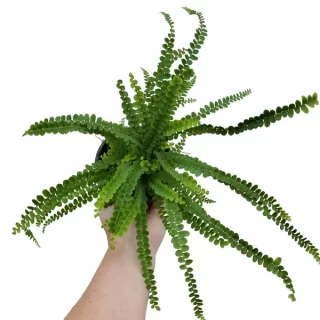
Lemon Button Fern Plant
Original price was: ₹539.00.₹179.00Current price is: ₹179.00.Add to cartSelling Size: Single plant | 2.5″ Pot Included The Lemon Button Fern (Nephrolepis cordifolia ‘Duffii’) is a popular and relatively easy-to-care-for fern. It’s known for its compact, arching fronds with small, button-like leaves and a subtle, lemony scent when you brush against them. Unlike some ferns, it’s a bit more forgiving of indoor conditions, making …
-
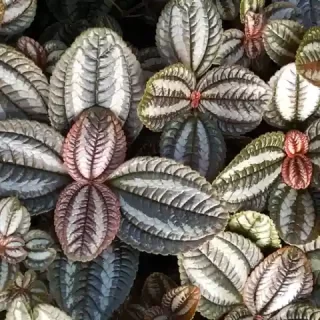
Pilea involucrata ‘Norfolk’ – Friendship Plant
Original price was: ₹450.00.₹199.00Current price is: ₹199.00.Add to cartSize: Single Plant | 2.5″ Pot Included | Free Shipping The Pilea involucrata ‘Norfolk’, commonly known as the Friendship Plant, is a delightful houseplant celebrated for its unique, velvety, quilted foliage. The leaves have a rich texture and a beautiful color palette, with deep green and bronze tones on the upper surface and a reddish-purple …
-
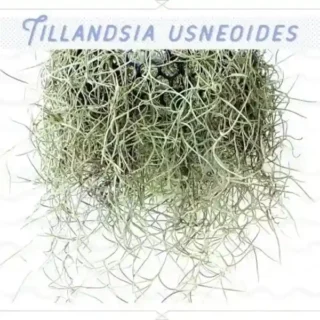
Spanish Moss Air Plant
Price range: ₹49.00 through ₹1,699.00Select options This product has multiple variants. The options may be chosen on the product pageSelling size: PLEASE CHOOSE Spanish Moss Air Plant – CARE INSTRUCTIONS Scientific name: Tillandsia usneoides Synonyms: Old man’s beard, Spanish Moss, French Hair, Spanish Beard Spanish Moss is a delicate silvery-grey air plant that is often used to hang in trees or as a gorgeous decor piece without the need for soil. Despite its name, Spanish Moss …
 If you need any assistance, I'm always here. Have you found what you were looking for?
Reviews
There are no reviews yet.