

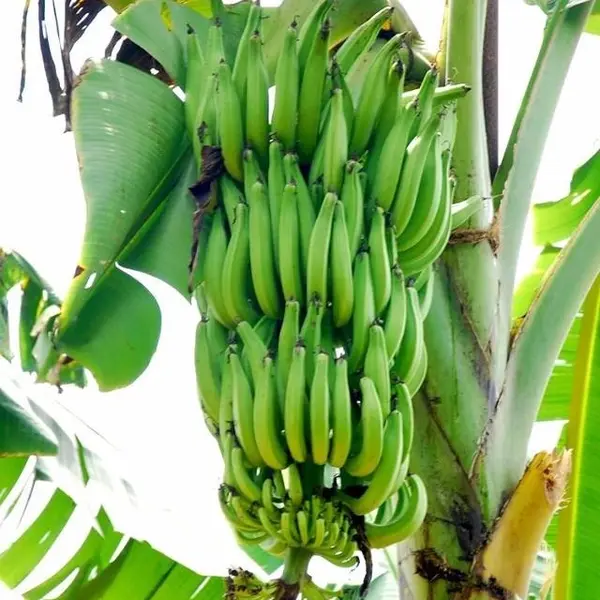
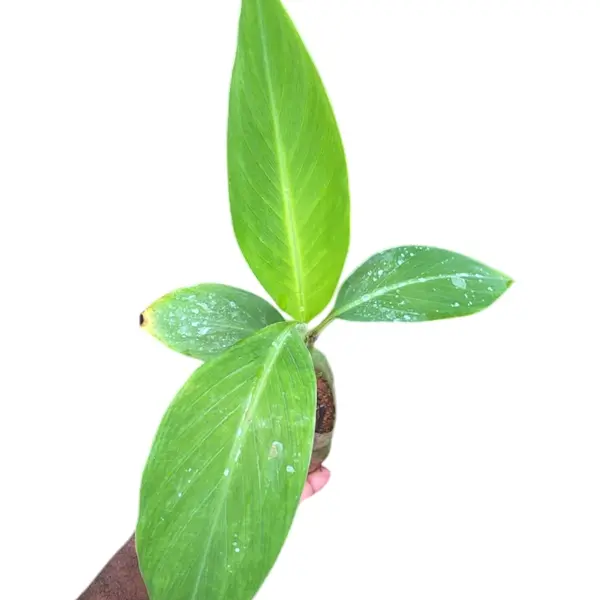
Nendran Banana
Original price was: ₹399.00.₹175.00Current price is: ₹175.00.
Selling Size : Single Plant | Pot Included | Secure Packing
Nendran Banana , also known as Nendran Varikka or Kerala Banana, is one of the most popular and nutritious banana cultivars in South India. Known for its thick skin, firm flesh, and excellent taste whether eaten ripe, boiled, or fried, Nendran is widely grown for its productivity and rich flavour. With proper care, it grows vigorously and produces large, healthy bunches. Here is a detailed 600-word care guide for growing Nendran Banana successfully at home or in farms.
Nendran Banana Plant – Complete Care Guide :
1. Light Requirements
Nendran banana plants require full sunlight for rapid growth and healthy fruit production. Ensure they receive 6–8 hours of direct sun daily. Sunlight helps in leaf development, strong pseudostem formation, and good bunch size.
Avoid growing them in fully shaded areas or under dense trees because low light leads to slow growth, thin pseudostems, and small bunches.
2. Temperature & Climate
Nendran bananas thrive in warm, humid tropical climates. The ideal temperature range is 22°C–34°C. They cannot tolerate frost or severe cold, which can cause leaf burn or complete plant collapse.
Consistent warm weather, moderate humidity, and good rainfall support faster growth. In high-wind areas, provide windbreaks because banana plants are top-heavy and can easily topple over.
3. Watering
Banana plants need regular and heavy watering due to their large leaves and fast growth rate. Keep the soil consistently moist but not waterlogged.
-
Water deeply 2–3 times a week depending on climate.
-
During summer, increase frequency as the soil dries faster.
-
Reduce watering slightly in rainy months to avoid water stagnation.
Mulching with dry leaves, coco husk, or straw helps retain moisture and keeps soil temperature stable. Stagnant water around the base can cause stem rot, so proper drainage is crucial.
4. Soil Requirements
Nendran grows best in rich, well-drained, loamy soil with a pH between 6.0–7.0. The soil should be fertile because bananas are heavy feeders and require nutrients throughout their growth cycle.
Ideal soil mix:
-
50% garden soil
-
30% compost or cow manure
-
20% river sand for drainage
If planting in pits, fill them with topsoil mixed with compost, wood ash, and neem cake for strong initial rooting. Avoid waterlogged clay soils as they stunt growth.
5. Fertilising
Nendran banana plants are nutrient-hungry and need consistent feeding. Fertilise at the following stages:
At planting:
-
5–10 kg well-rotted cow manure
-
Neem cake for pest protection
During growth (every 45 days):
-
NPK 10-10-10 or 19-19-19
-
Add compost or vermicompost
-
Wood ash for potassium, which improves fruit quality
Before flowering:
Increase potassium-rich fertilisers (muriate of potash or organic alternatives) to enhance fruit size and sweetness. Overuse of nitrogen causes tall, weak plants with small bunches, so maintain balance.
6. Support & Maintenance
Banana pseudostems are heavy and may bend under the weight of the bunch. Provide sturdy support with bamboo or sticks when bunching begins.
Remove dried, yellowing leaves regularly to improve airflow and reduce pest pressure. Keep the surroundings weed-free to avoid competition for nutrients.
7. Suckers Management
Banana plants produce side shoots (suckers). For proper growth:
-
Keep only one sword sucker (narrow-leaved young shoot) as the follower plant.
-
Remove all other suckers to prevent nutrient loss.
This ensures continuous production and maintains plant health.
8. Flowering & Fruiting
Nendran usually flowers within 10–12 months depending on care and climate. The banana bunch grows gradually and takes 3–4 months to develop fully.
Covering the bunch with banana sheath or mesh bags protects fruits from pests and sunscald. Add extra potassium during fruiting for weighty, healthy bananas.
9. Pests & Diseases
Common issues include:
-
Banana weevil
-
Aphids
-
Nematodes
-
Sigatoka leaf spot
-
Stem rot
Control methods:
-
Apply neem cake during planting
-
Spray neem oil every 15 days
-
Ensure proper drainage
-
Remove infected leaves immediately
Good sanitation greatly reduces disease spread.
10. Harvesting
Nendran bunches are ready when the fruits become full-sized, plump, and bright green with smooth skin. Cut the entire bunch carefully using a sharp knife. Allow bananas to ripen naturally for best flavour.
Related products
-
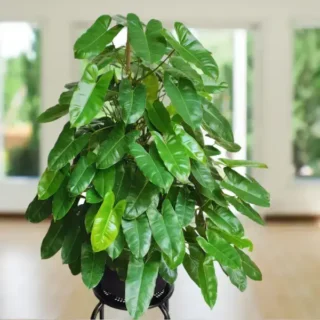
Philodendron Burle Marx Plant
Original price was: ₹485.00.₹149.00Current price is: ₹149.00.Add to cartSelling size: Single plant | Pot Included | Secure Packing The Philodendron Burle Marx is a fantastic and relatively easy-to-care-for plant, known for its glossy, spade-shaped leaves and dense, clumping growth. It’s often recommended as a great choice for beginner houseplant owners. Here is a comprehensive care guide for your Philodendron Burle Marx: Light …
-
String Of Nickels (Dischidia nummularia)
Price range: ₹99.00 through ₹599.00Select options This product has multiple variants. The options may be chosen on the product pageSelling size: Well rooted plant in a Jiffy bag The Dischidia nummularia, commonly known as the String of Nickels or Button Orchid, is a delightful and easy-to-care-for trailing epiphyte. Its common name comes from its small, round, coin-shaped leaves that densely cover its long, slender stems. As a relative of the Hoya, it shares a similar …
-
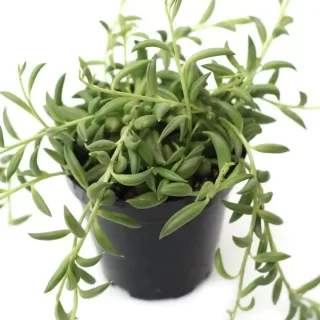
String of Bananas
Original price was: ₹450.00.₹249.00Current price is: ₹249.00.Add to cartSelling size: Mentioned in last Picture | Secure Packing The String of Bananas (Curio radicans or Senecio radicans) is a charming trailing succulent known for its long, cascading stems covered in plump, banana-shaped leaves. It’s a popular choice for hanging baskets and is generally easy to care for, especially for those who are new …
-
Spanish Moss Air Plant
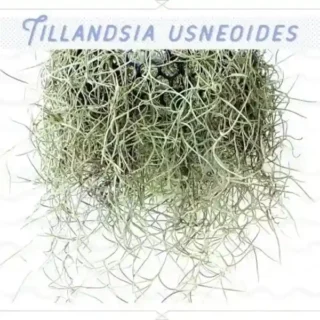
Price range: ₹49.00 through ₹1,699.00Select options This product has multiple variants. The options may be chosen on the product pageSelling size: PLEASE CHOOSE Spanish Moss Air Plant – CARE INSTRUCTIONS Scientific name: Tillandsia usneoides Synonyms: Old man’s beard, Spanish Moss, French Hair, Spanish Beard Spanish Moss is a delicate silvery-grey air plant that is often used to hang in trees or as a gorgeous decor piece without the need for soil. Despite its name, Spanish Moss …
-
Lemon Button Fern Plant
Original price was: ₹539.00.₹179.00Current price is: ₹179.00.Add to cartSelling Size: Single plant | 2.5″ Pot Included The Lemon Button Fern (Nephrolepis cordifolia ‘Duffii’) is a popular and relatively easy-to-care-for fern. It’s known for its compact, arching fronds with small, button-like leaves and a subtle, lemony scent when you brush against them. Unlike some ferns, it’s a bit more forgiving of indoor conditions, making …
-
Philodendron Moonshine
Original price was: ₹1,250.00.₹249.00Current price is: ₹249.00.Add to cartSelling size: Single plant | Pot included | Secure Packing The Philodendron Moonshine (often also called ‘Moonlight’) is a popular hybrid known for its vibrant, almost glowing, chartreuse-colored leaves. It has an upright, self-heading growth habit, so unlike many vining philodendrons, it doesn’t need a trellis or pole. Here is a comprehensive guide to caring …
-
Philodendron ‘Prince of Orange’
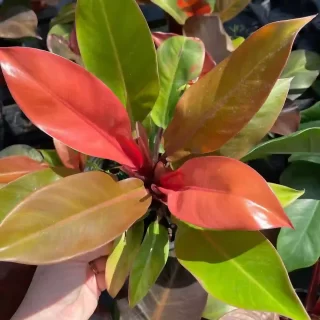
Price range: ₹199.00 through ₹620.00Select options This product has multiple variants. The options may be chosen on the product pageSelling Size : Single Plant | Pot Included | Secure Packing The Philodendron ‘Prince of Orange’ is a stunning and popular hybrid known for its vibrant, ever-changing leaf colors. New leaves emerge as a brilliant orange or coppery color, and as they mature, they transition to a lime green, then a deep, glossy green. It …
-
Pilea Repens, Black Panamiga
Original price was: ₹280.00.₹149.00Current price is: ₹149.00.Add to cartSize: Single Plant | Jiffy Bag Caring for a Pilea Ripens (also known as Black Panamiga) involves understanding its specific needs to ensure it thrives. Here’s a breakdown of Pilea Repens, Black Panamiga key care aspects: Key Care Points: Light: Pilea repens prefers bright, indirect sunlight. Direct sunlight can scorch its leaves. Rotating the plant …




 If you need any assistance, I'm always here. Have you found what you were looking for?