
Fittonia ‘Anne White’
Price range: ₹99.00 through ₹149.00
Selling Size : Single Plant | Pot Included | Secure Packing
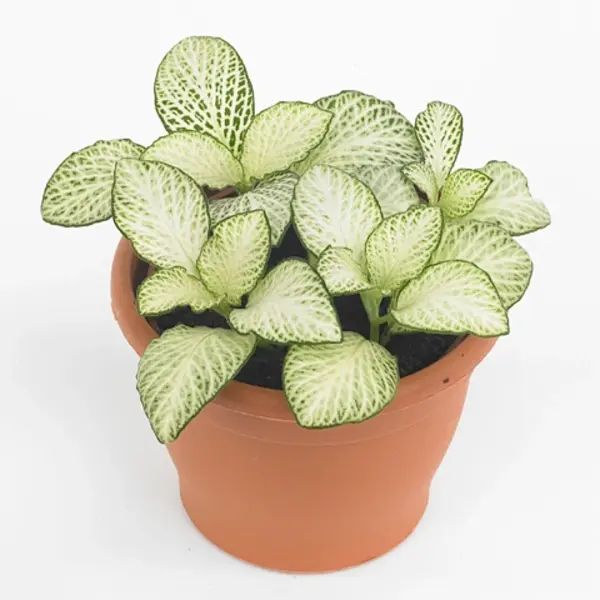
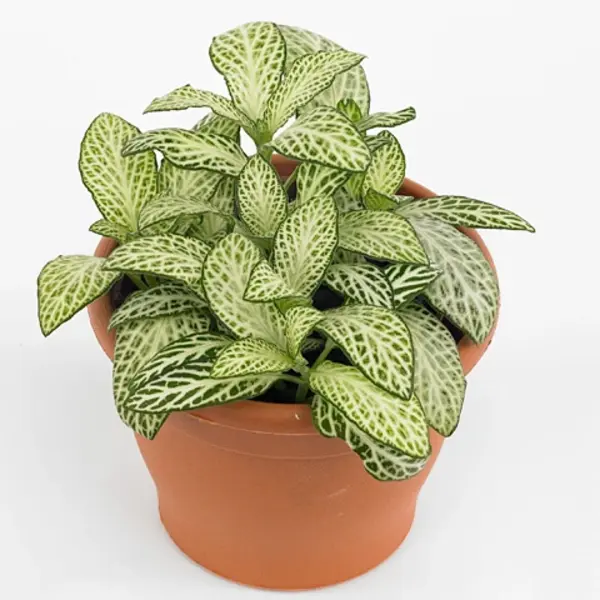
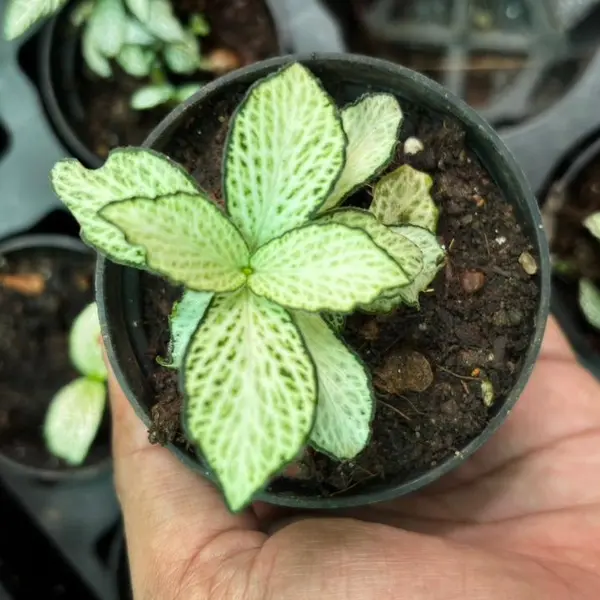
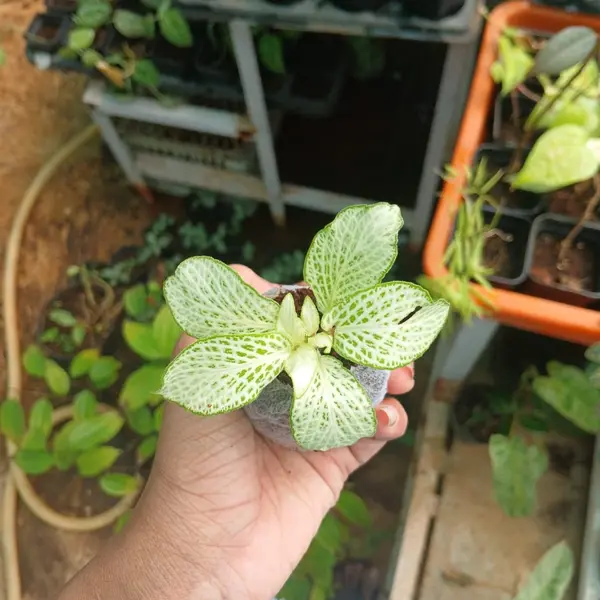
Fittonia ‘Anne White’, also known as the White Nerve Plant, is a popular tropical houseplant admired for its distinctive foliage patterned with crisp white veins. Compact, colourful, and elegant, this plant adds charm to tabletops, terrariums, and shaded corners of indoor spaces. Being a rainforest-floor species from Peru, Fittonia ‘Anne White’ thrives in moist, warm, and humid environments. Although this plant has a reputation for being sensitive, proper care makes it a reliable and rewarding addition to your plant collection. Below is a detailed 600-word guide to help you grow a healthy Fittonia ‘Anne White’.
Fittonia ‘Anne White’ – Complete Care Guide :
Light Requirements
Fittonia prefers low to medium indirect light, similar to what it would receive on the forest floor under dense tropical canopies. Place it in a room with plenty of natural light but away from direct sunlight. Direct harsh sun can scorch the leaves, bleach the white veins, and cause wilting. Ideal placement includes north-facing windows, shaded east-facing windowsills, or bright rooms with filtered light. Under low light, the plant may stretch slightly, but its colours will remain vibrant. If using artificial lights, position the plant under medium-strength grow lights for 8–10 hours a day.
Watering
Watering is the most crucial part of Fittonia care. Fittonia ‘Anne White’ loves consistently moist soil, but it is extremely sensitive to both underwatering and overwatering. Water thoroughly whenever the top 1–2 cm of soil begins to dry. Do not allow the soil to dry out completely, as the plant will quickly wilt or collapse. The good news is that a dehydrated Fittonia usually bounces back within a few hours after watering. However, repeated dehydration weakens the plant. On the other hand, soggy soil can lead to root rot. Ensure the pot has proper drainage and remove excess water from the saucer after watering.
Humidity
Fittonias thrive in high humidity levels of 60–90%, making them perfect candidates for terrariums, bathrooms, pebble trays, and humidifier-supported corners. Low humidity can cause leaf edges to brown, leaf curling, and sudden wilting. If you live in a dry environment, a small room humidifier near the plant works wonders. Grouping plants together also helps maintain a micro-humid environment. Avoid misting directly if the room temperature is low, as lingering moisture can cause fungal spots.
Temperature
Fittonia ‘Anne White’ grows well in temperatures between 18–26°C. Protect it from cold drafts, sudden temperature drops, or AC vents. Temperatures below 15°C may shock the plant, slow down growth, and lead to leaf drop. During summer, ensure the plant is not exposed to hot, direct afternoon sunlight, which can dehydrate and damage the foliage quickly.
Soil
A slightly moist, well-draining soil mix is ideal. Use a light, airy potting mix made of:
-
50% cocopeat or peat moss
-
25% perlite
-
15% compost or worm castings
-
10% coco chips or fine bark
This mix holds moisture well but doesn’t allow water to stagnate. Fittonias have shallow root systems, so they do well in wider, shallow pots.
Fertilisation
Feed the plant with a diluted liquid fertilizer (NPK 10-10-10 or 20-20-20) once every 3–4 weeks during the growing season (February to October). Fittonias are sensitive to strong fertilizers, so always dilute to half strength. Avoid fertilising during winter when growth naturally slows. Organic fertilisers like seaweed extract or very mild compost teas are also excellent choices.
Pruning & Maintenance
Fittonia ‘Anne White’ is naturally bushy but may grow leggy if light is low. Regularly pinch back the growing tips to encourage compact, fuller growth. Remove dead or yellowing leaves to maintain plant hygiene. You may occasionally wipe the leaves with a damp cloth to remove dust and enhance the foliage’s appearance.
Propagation
Fittonia is very easy to propagate through stem cuttings. Choose a healthy stem with at least 2–3 nodes, cut below a node, and root it in water or moist soil. Roots usually develop within 1–2 weeks. Transplant the cutting once the roots grow stronger.
Pests & Common Issues
Spider mites, mealybugs, and fungus gnats may occasionally attack Fittonias. Maintain humidity, ensure airflow, and check the underside of leaves regularly. Treat pests with neem oil or natural insecticidal sprays. Yellowing leaves often indicate overwatering, while wilting signals underwatering or low humidity.
Related products
-
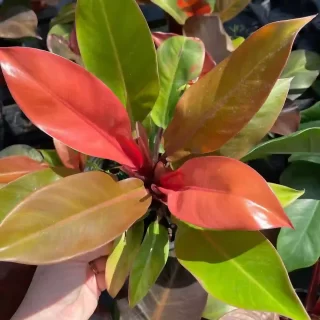
Philodendron ‘Prince of Orange’
Price range: ₹199.00 through ₹620.00Select options This product has multiple variants. The options may be chosen on the product pageSelling Size : Single Plant | Pot Included | Secure Packing The Philodendron ‘Prince of Orange’ is a stunning and popular hybrid known for its vibrant, ever-changing leaf colors. New leaves emerge as a brilliant orange or coppery color, and as they mature, they transition to a lime green, then a deep, glossy green. It …
-
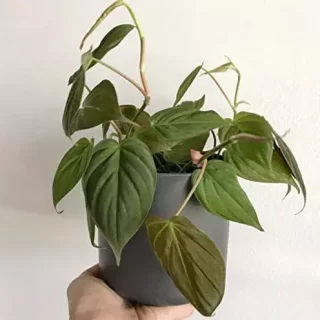
Philodendron Mican plant
Original price was: ₹650.00.₹99.00Current price is: ₹99.00.Add to cartSelling size: A well rooted plant | 2.5″ Pot Included The Philodendron Micans (Philodendron hederaceum ‘Micans’), also known as the Velvet-Leaf Philodendron, is a popular, easy-care trailing or climbing houseplant prized for its unique, velvety, heart-shaped leaves that emerge a beautiful chartreuse/pink and mature to a deep, iridescent, bronze-green with hints of purple. Here is …
-
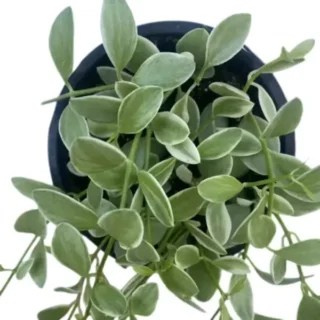
String Of Nickels (Dischidia nummularia)
Price range: ₹99.00 through ₹599.00Select options This product has multiple variants. The options may be chosen on the product pageSelling size: Well rooted plant in a Jiffy bag The Dischidia nummularia, commonly known as the String of Nickels or Button Orchid, is a delightful and easy-to-care-for trailing epiphyte. Its common name comes from its small, round, coin-shaped leaves that densely cover its long, slender stems. As a relative of the Hoya, it shares a similar …
-
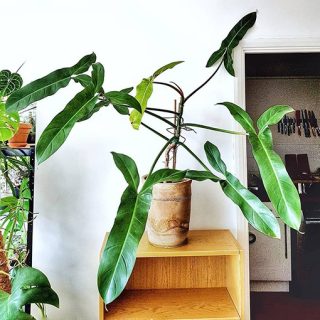
Philodendron Xanadu
Original price was: ₹450.00.₹199.00Current price is: ₹199.00.Add to cartSelling size:Well rooted plant | 2.5″ Pot Included | Secure Packing The Philodendron Xanadu, now officially classified as Thaumatophyllum xanadu, is a fantastic and relatively easy-to-care-for houseplant. It’s known for its compact, bushy growth habit and deeply lobed, glossy green leaves that give it a sophisticated, tropical look. Here is a complete guide to caring …
-
Spanish Moss Air Plant
Price range: ₹49.00 through ₹1,699.00Select options This product has multiple variants. The options may be chosen on the product pageSelling size: PLEASE CHOOSE Spanish Moss Air Plant – CARE INSTRUCTIONS Scientific name: Tillandsia usneoides Synonyms: Old man’s beard, Spanish Moss, French Hair, Spanish Beard Spanish Moss is a delicate silvery-grey air plant that is often used to hang in trees or as a gorgeous decor piece without the need for soil. Despite its name, Spanish Moss …
-
Philodendron Mexicanum
Original price was: ₹1,090.00.₹749.00Current price is: ₹749.00.Add to cartSelling size: Single Plant | Pot included The Philodendron mexicanum is a beautiful vining plant known for its long, arrow-shaped leaves with a striking deep maroon or reddish underside. As its name suggests, it is native to the tropical forests of Mexico. It’s a relatively easy-to-care-for plant, especially for those familiar with other vining philodendrons. …
-
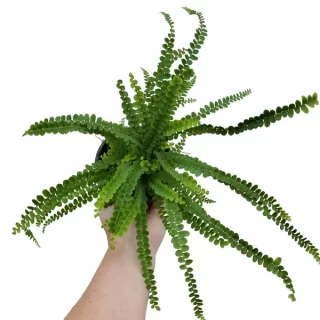
Lemon Button Fern Plant
Original price was: ₹539.00.₹179.00Current price is: ₹179.00.Add to cartSelling Size: Single plant | 2.5″ Pot Included The Lemon Button Fern (Nephrolepis cordifolia ‘Duffii’) is a popular and relatively easy-to-care-for fern. It’s known for its compact, arching fronds with small, button-like leaves and a subtle, lemony scent when you brush against them. Unlike some ferns, it’s a bit more forgiving of indoor conditions, making …



 If you need any assistance, I'm always here. Have you found what you were looking for?