


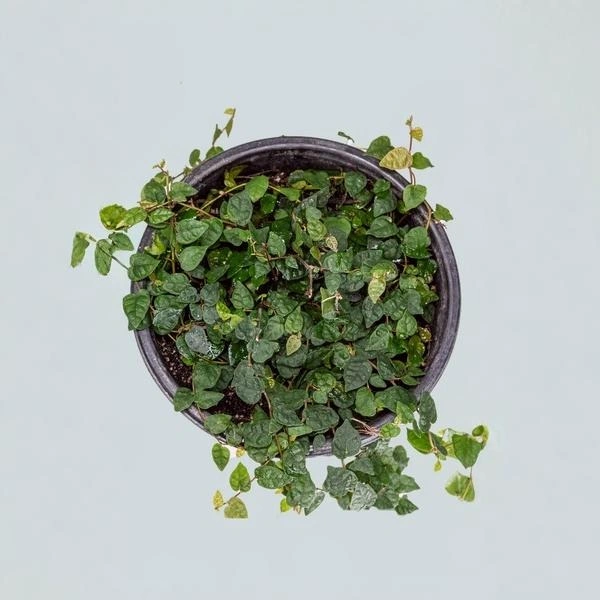
Ficus Pumila Minima – Rare Terrarium Plant
Price range: ₹249.00 through ₹1,199.00
Selling Size: Single Plant-Multiple Plants | Pot Included | Secure Packing
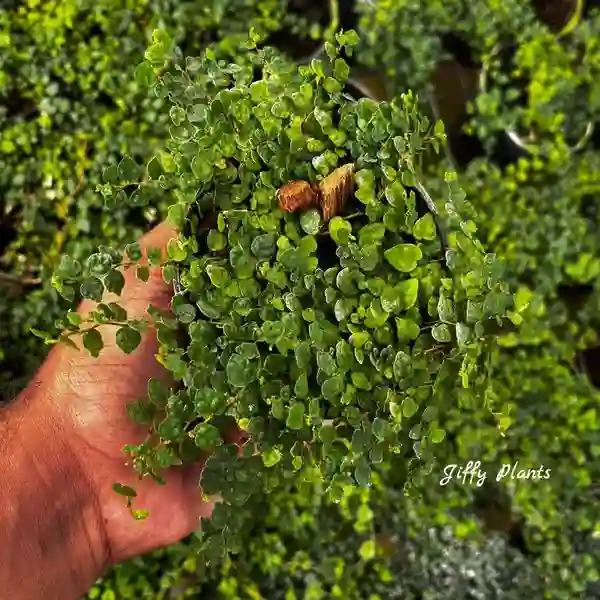
Ficus Pumila Minima- Terrarium Plant, commonly known as the Creeping Fig Minima, is a compact variety of the traditional creeping fig. It is a charming miniature vine with tiny, glossy leaves that make it an excellent choice for terrariums, vivariums, or as a ground cover in tropical gardens. Its small leaf size, slow growth rate, and ability to adapt to humid, confined spaces make it a favorite for plant enthusiasts who love maintaining closed or open terrariums.
🌿 Ficus Pumila Minima- Terrarium Plant – Terrarium Plant Care Guide :
🌞 Light Requirements
Ficus pumila ‘Minima’ thrives in bright, indirect light. When grown inside a terrarium, position it where it can receive filtered sunlight or artificial grow light for about 8–10 hours daily.
-
Ideal light: East or north-facing window, or a low-intensity LED grow light.
-
Avoid: Harsh direct sunlight, which can scorch the delicate foliage and cause leaf curl or browning.
-
Low light tolerance: The plant can survive in lower light conditions, but growth will slow down and leaves may become pale.
💧 Watering
This plant enjoys consistent moisture but does not tolerate soggy conditions. Inside a terrarium, the humidity level is usually high, so frequent watering isn’t necessary.
-
Watering frequency: Lightly mist or water once the top layer of soil begins to dry.
-
Method: Use a spray bottle or small syringe to add water gradually. Avoid flooding the soil.
-
Signs of overwatering: Yellowing leaves, mold growth, or root rot.
-
Tip: Always ensure good air circulation and use a substrate that drains well to prevent stagnation.
🌱 Soil and Substrate
In terrarium settings, Ficus pumila Minima prefers a loose, airy, and well-draining substrate that retains some moisture without becoming waterlogged.
-
Best mix: A blend of peat moss or coco coir, perlite, activated charcoal, and sphagnum moss.
-
Drainage: Add a base layer of pebbles or LECA (lightweight expanded clay aggregate) at the bottom of the terrarium for excess moisture control.
-
pH range: Slightly acidic to neutral (5.5–7.0).
💨 Humidity and Temperature
Humidity is a key factor for this plant’s success, especially in a terrarium.
-
Ideal humidity: 70–90%.
-
Temperature range: 18–28°C (65–82°F).
-
Avoid: Cold drafts or sudden temperature drops below 15°C (59°F).
If you’re growing it outside a terrarium, mist the leaves regularly to maintain humidity levels.
🌿 Fertilizing
Feed Ficus Pumila Minima lightly during its growing season (spring to early autumn).
-
Type: Diluted liquid fertilizer (balanced 10-10-10 or 20-20-20 formula).
-
Frequency: Once every 4–6 weeks during active growth.
-
Avoid overfeeding: Too much fertilizer can cause excessive growth and harm the delicate ecosystem balance inside the terrarium.
✂️ Pruning and Maintenance
This miniature creeping fig can grow quite fast under the right conditions, so light pruning helps maintain shape and prevent overcrowding.
-
Trim excess vines to control its spread and encourage denser foliage.
-
Use sterilized scissors to prevent fungal infections.
-
Remove any yellow or decayed leaves promptly to maintain good air quality inside the terrarium.
🪴 Propagation
Propagation is easy through stem cuttings:
-
Take a 5–8 cm cutting with at least two nodes.
-
Place it in moist sphagnum moss or directly in the terrarium substrate.
-
Keep humidity high until new roots form, usually within 2–3 weeks.
🐛 Common Problems
-
Leaf Yellowing: Usually due to overwatering or lack of light.
-
Dry Leaves or Curling: Indicates low humidity or excessive sunlight.
-
Fungal Growth: Caused by stagnant air or excess moisture inside closed terrariums. Improve ventilation and remove affected parts.
-
Pests (rare in terrariums): Watch out for mealybugs or spider mites; treat with neem oil or mild insecticidal soap if needed.
🌸 Extra Tips
-
In closed terrariums, open the lid occasionally to let in fresh air and prevent mold.
-
For an aesthetic arrangement, use Ficus pumila ‘Minima’ as a foreground carpet plant or to climb driftwood or rocks.
-
Ficus Pumila Minima pairs beautifully with humidity-loving plants like mosses, ferns, and miniature begonias.
In summary, Ficus pumila ‘Minima’ is a delightful, low-maintenance terrarium plant that rewards consistent humidity and soft light with lush, miniature foliage. With proper moisture balance, pruning, and care, it will create a vibrant green cover that enhances any terrarium’s natural beauty.
| Size |
|---|
You must be logged in to post a review.
You may also like…
-
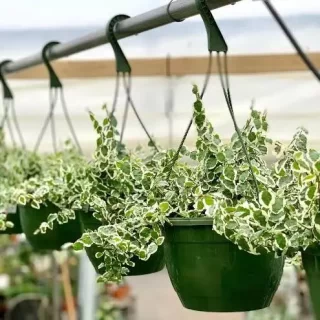
Ficus Pumila Curly Variegated
Price range: ₹99.00 through ₹399.00Select options This product has multiple variants. The options may be chosen on the product pageSelling size: Please Choose (Single – Bushy) | Pot Included (2.5″-4.5″) The Ficus Pumila Curly Variegated is a popular and easy-to-care-for plant. It’s a vining plant with ruffled, variegated leaves that makes a great hanging plant, terrarium plant, or topiary. Ficus Pumila Curly Variegated Care: Light This plant thrives in bright, indirect light. …
-
Ficus pumila, Wall creeper, Creeping fig – Trending Wall Creeper
Price range: ₹25.00 through ₹99.00Select options This product has multiple variants. The options may be chosen on the product pageSelling size: Single plant | Pot Size: 2.5″ Ficus pumila, Wall creeper, Creeping fig : A Comprehensive Care Guide Ficus pumila, commonly known as the creeping fig, is a versatile and popular plant renowned for its ability to cling to surfaces and create a lush, green cover. Whether you’re looking to adorn a wall, trellis, …
Ficus pumila, Wall creeper, Creeping fig – Trending Wall CreeperRead More
-
Ficus Pumila Variegated, Creeping Fig Variegated
Price range: ₹75.00 through ₹449.00Select options This product has multiple variants. The options may be chosen on the product pageSelling size: Please Choose (Single – Bushy) | Pot Included (2.5″-4.5″) Ficus Pumila Variegated, Creeping Fig Variegated – Care Here’s a care guide for Ficus Pumila Variegated, also known as Variegated Creeping Fig: Light: Bright, indirect light is ideal. Avoid direct sunlight as it can scorch the leaves. Variegated varieties need slightly more light …


Related products
-
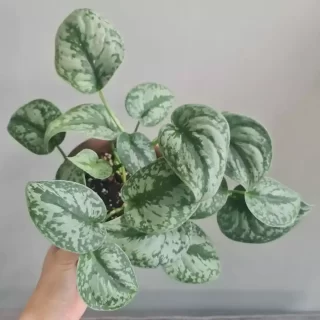
Scindapsus Pictus Exotica
Original price was: ₹380.00.₹99.00Current price is: ₹99.00.Add to cartSelling size: Single Plant | 2.5″ Pot Included The Scindapsus Pictus Exotica, also known as the silver pothos, is a houseplant with large, dark green leaves that have silver spots and mottling. Here’s a guide to caring for your Scindapsus pictus Exotica plant: Light: Prefers bright, indirect light. An east or west-facing window that’s about …
-
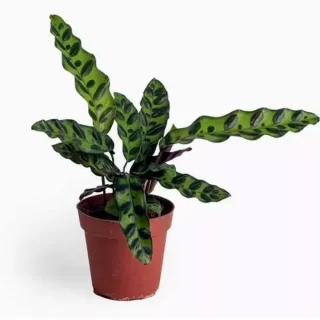
Calathiya Rattlesnake Plant
Price range: ₹125.00 through ₹549.00Select options This product has multiple variants. The options may be chosen on the product pageSelling size: Please Choose | Secure Packing | 2.5″-4″ Pot Included Calathiya rattlesnake is a plant easy to care for. However, there are a few measures and precautions you need to take to grow and maintain yours. Here’s a comprehensive guide for rattlesnake plant : Light Calathea Lancifolia prefers bright, indirect light. Like most variegated …
-
Spanish Moss Air Plant
Price range: ₹49.00 through ₹1,699.00Select options This product has multiple variants. The options may be chosen on the product pageSelling size: PLEASE CHOOSE Spanish Moss Air Plant – CARE INSTRUCTIONS Scientific name: Tillandsia usneoides Synonyms: Old man’s beard, Spanish Moss, French Hair, Spanish Beard Spanish Moss is a delicate silvery-grey air plant that is often used to hang in trees or as a gorgeous decor piece without the need for soil. Despite its name, Spanish Moss …
-
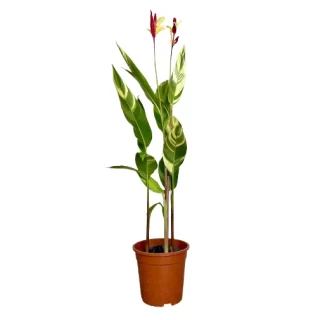
Heliconia Variegated – Super Rare
Original price was: ₹2,599.00.₹1,099.00Current price is: ₹1,099.00.Add to cartPlant size: Single plant | Pot Included | Free shipping The Variegated Heliconia (often a cultivar of Heliconia psittacorum, like ‘Lady Di’ or ‘Golden Torch’) is a striking tropical plant known for its banana-like leaves splashed with stripes of cream, yellow, or white. It is a demanding plant, requiring specific tropical conditions to thrive, especially …
-
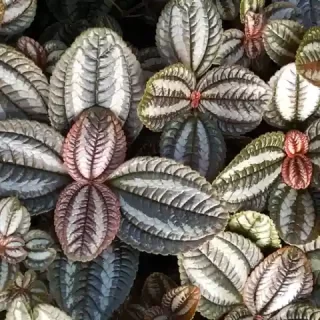
Pilea involucrata ‘Norfolk’ – Friendship Plant
Original price was: ₹450.00.₹199.00Current price is: ₹199.00.Add to cartSize: Single Plant | 2.5″ Pot Included | Free Shipping The Pilea involucrata ‘Norfolk’, commonly known as the Friendship Plant, is a delightful houseplant celebrated for its unique, velvety, quilted foliage. The leaves have a rich texture and a beautiful color palette, with deep green and bronze tones on the upper surface and a reddish-purple …
-
Black zz plant, Raven ZZ Plant
Price range: ₹99.00 through ₹499.00Select options This product has multiple variants. The options may be chosen on the product pageSelling size: Please Choose (Single – Bushy) | 2.5″-5” Pot Included | Secure Packing The Black ZZ Plant, or Raven ZZ Plant (Zamioculcas zamiifolia ‘Raven’), is a popular, exceptionally resilient houseplant known for its striking, nearly black foliage. It shares the easy-care nature of the standard green ZZ plant, making it perfect for beginners or …
-
Chlorophytum Spider Live Plant
Original price was: ₹249.00.₹99.00Current price is: ₹99.00.Add to cartSelling size: Well rooted Single plant | 2.5″ Pot included Chlorophytum Spider, also the Spider Plant is an impressive houseplant which is the perfect plant for any beginner. A NASA certified air purifier, its long, green foliage with white variegations look good in both hanging planters and as desktop setups. In favourable conditions, it blooms …




 If you need any assistance, I'm always here. Have you found what you were looking for?
Reviews
There are no reviews yet.