
Peanut Butter Fruit
Original price was: ₹559.00.₹199.00Current price is: ₹199.00.
Selling Size : Single Plant | Pot Included | Secure Packing
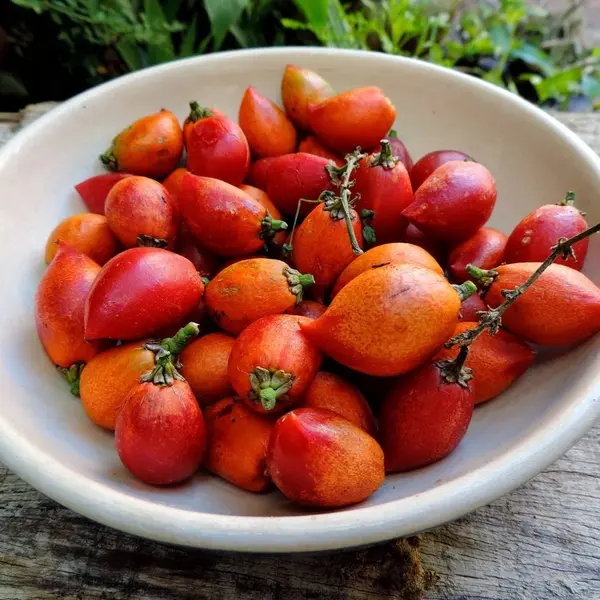
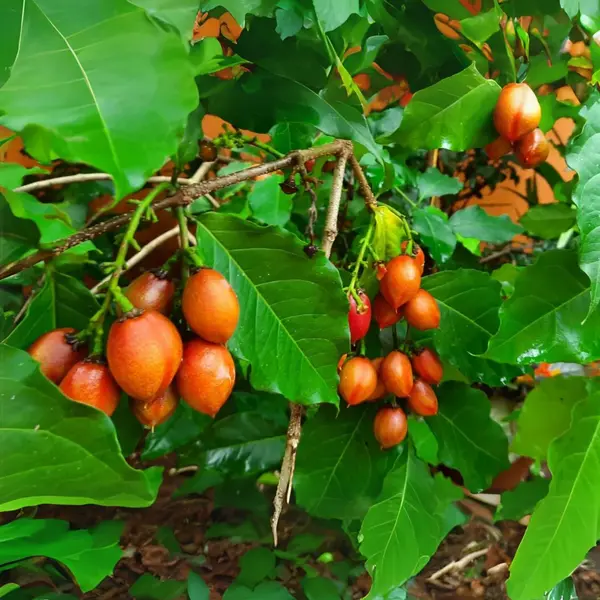
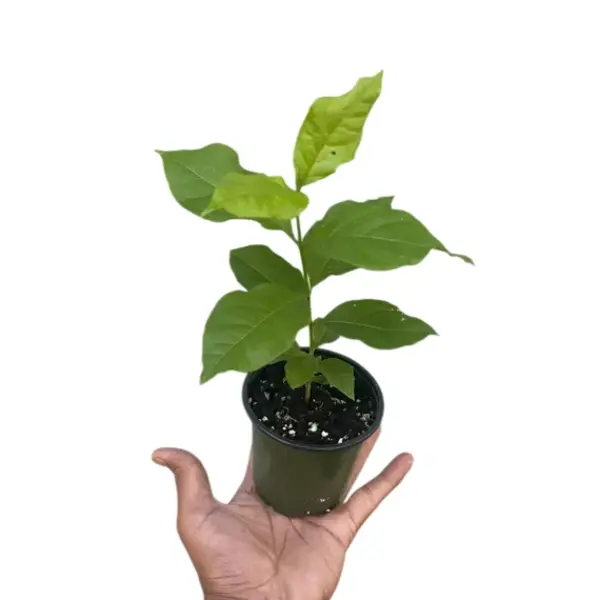
Peanut Butter Fruit, scientifically known as Bunchosia glandulifera, is an attractive tropical fruit plant known for its bright red, peanut-butter-flavoured berries. This compact evergreen shrub is ideal for home gardens, terrace growers, and fruit collectors who enjoy growing unique edible plants. With proper care, it produces sweet, soft fruits almost year-round in warm climates. Here is a complete guide to growing a healthy Peanut Butter Fruit plant.
Peanut Butter Fruit Care Guide :
1. Light Requirements
Peanut Butter Fruit thrives best in full sun to partial shade.
-
6–8 hours of direct sunlight are ideal for maximum fruiting.
-
The plant can tolerate partial shade, but fruit production may decrease.
If you’re growing it in pots on a balcony or terrace, choose a bright location where the plant receives morning sunlight. In very hot climates, providing mild afternoon shade helps prevent leaf scorching.
2. Watering
This plant prefers evenly moist but not waterlogged soil.
-
Water deeply when the top 3–4 cm of soil feels dry.
-
In summer, increase watering frequency.
-
In monsoon, reduce watering to avoid root rot.
-
In winter, keep soil slightly moist but do not overwater.
Peanut Butter Fruit has shallow feeder roots, so consistent hydration is important. Use mulch around the plant base to retain moisture and keep root temperature stable.
3. Soil Requirements
Peanut Butter Fruit grows best in a soft, well-draining, nutrient-rich soil mix. Ideal soil composition:
-
Garden soil – 40%
-
Composted cow manure or vermicompost – 30%
-
Cocopeat – 20%
-
Sand or perlite – 10%
The soil must drain easily but should also retain enough moisture to keep the roots comfortable. Avoid heavy clay soil, which can suffocate the roots.
4. Fertilization
Regular feeding ensures fast growth and high-quality fruiting. Fertilize every 30–45 days during the growing season with:
-
Organic compost (vermicompost or cow manure)
-
Seaweed extract
-
Mustard cake solution
-
A balanced NPK 5:5:5 or 10:10:10 (used sparingly)
For fruit boosting, add a potash-rich fertilizer or banana peel compost in the early fruiting stage. Avoid overfeeding with nitrogen, as it will cause leafy growth at the expense of fruits.
5. Pot Size & Repotting
Peanut Butter Fruit grows well in pots.
-
Start with a 12–14 inch pot.
-
Move to a 16–18 inch pot as the plant matures.
Repot every 1–1.5 years with fresh soil mix. Ensure the container has proper drainage holes.
6. Temperature & Climate
This plant loves warm tropical weather. Ideal temperature range: 18°C to 32°C.
-
It is not frost tolerant.
-
In colder regions, keep it indoors or in a greenhouse during winter.
-
Protect from cold winds and sudden temperature drops.
Warm, stable conditions help the plant bloom and fruit continuously.
7. Pruning & Training
Regular pruning keeps the plant compact and encourages branching, which leads to more fruits.
-
Prune lightly after each fruiting cycle.
-
Remove weak, damaged, or crowded branches.
-
Pinch young tips to encourage bushiness.
Avoid heavy pruning during peak fruiting season.
8. Flowering & Fruiting
Peanut Butter Fruit produces clusters of small yellow flowers followed by bright red, jelly-like fruits. To improve fruiting:
-
Provide full sun
-
Maintain consistent watering
-
Feed with potash-rich fertilizer
-
Keep the plant pruned for more branching
Fruits ripen quickly, so harvest frequently to encourage new fruit set.
9. Pest & Disease Control
Common issues include:
-
Aphids
-
Mealybugs
-
Spider mites
-
Scale insects
Spray regularly with neem oil once every 10–15 days.
Ensure proper air circulation and avoid overwatering to prevent fungal issues like root rot.
10. Common Problems & Fixes
-
Yellow leaves: Overwatering → Reduce watering, improve drainage
-
No fruits: Low light or poor nutrition → Move to sunny area, feed potash
-
Leaf curling: Heat stress → Provide afternoon shade
-
Slow growth: Poor soil → Add compost and refresh topsoil
Conclusion
Peanut Butter Fruit is a delightful and productive plant that adds both beauty and uniqueness to your garden. With adequate sunlight, regular watering, nutrient-rich soil, and light pruning, the plant grows vigorously and rewards you with delicious, peanut-butter-flavoured fruits almost all year. It’s an excellent choice for home gardeners looking to grow rare and fun edible plants.
Related products
-
Heliconia Variegated – Super Rare
Original price was: ₹2,599.00.₹1,099.00Current price is: ₹1,099.00.Add to cartPlant size: Single plant | Pot Included | Free shipping The Variegated Heliconia (often a cultivar of Heliconia psittacorum, like ‘Lady Di’ or ‘Golden Torch’) is a striking tropical plant known for its banana-like leaves splashed with stripes of cream, yellow, or white. It is a demanding plant, requiring specific tropical conditions to thrive, especially …
-
Pilea involucrata ‘Norfolk’ – Friendship Plant
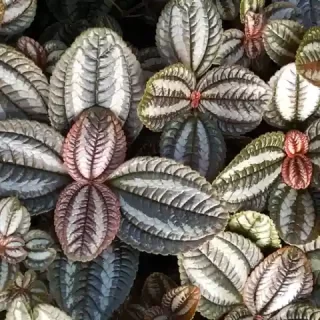
Original price was: ₹450.00.₹199.00Current price is: ₹199.00.Add to cartSize: Single Plant | 2.5″ Pot Included | Free Shipping The Pilea involucrata ‘Norfolk’, commonly known as the Friendship Plant, is a delightful houseplant celebrated for its unique, velvety, quilted foliage. The leaves have a rich texture and a beautiful color palette, with deep green and bronze tones on the upper surface and a reddish-purple …
-
Tillandsia Stricta (Air plant)
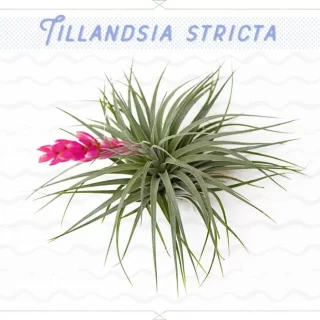
Original price was: ₹400.00.₹199.00Current price is: ₹199.00.Add to cartSelling size: Single plant | Secure Packing The Tillandsia Stricta (Air plant) is one of the most popular and adaptable species of air plants, known for its soft, green-silver foliage and beautiful blooms. Like all air plants, it is epiphytic, meaning it absorbs all its water and nutrients through its leaves from the air, not …
-
Philodendron ‘Prince of Orange’
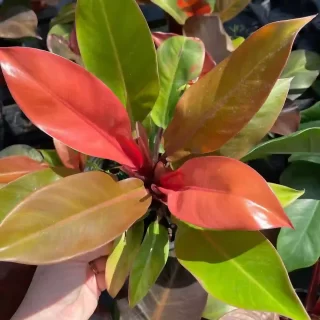
Price range: ₹199.00 through ₹620.00Select options This product has multiple variants. The options may be chosen on the product pageSelling Size : Single Plant | Pot Included | Secure Packing The Philodendron ‘Prince of Orange’ is a stunning and popular hybrid known for its vibrant, ever-changing leaf colors. New leaves emerge as a brilliant orange or coppery color, and as they mature, they transition to a lime green, then a deep, glossy green. It …
-
Lemon Button Fern Plant
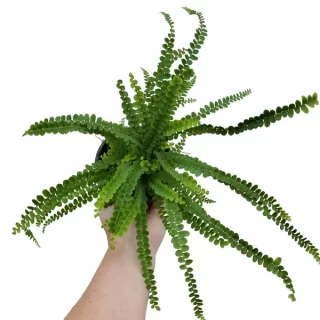
Original price was: ₹539.00.₹179.00Current price is: ₹179.00.Add to cartSelling Size: Single plant | 2.5″ Pot Included The Lemon Button Fern (Nephrolepis cordifolia ‘Duffii’) is a popular and relatively easy-to-care-for fern. It’s known for its compact, arching fronds with small, button-like leaves and a subtle, lemony scent when you brush against them. Unlike some ferns, it’s a bit more forgiving of indoor conditions, making …
-
Spanish Moss Air Plant
Price range: ₹49.00 through ₹1,699.00Select options This product has multiple variants. The options may be chosen on the product pageSelling size: PLEASE CHOOSE Spanish Moss Air Plant – CARE INSTRUCTIONS Scientific name: Tillandsia usneoides Synonyms: Old man’s beard, Spanish Moss, French Hair, Spanish Beard Spanish Moss is a delicate silvery-grey air plant that is often used to hang in trees or as a gorgeous decor piece without the need for soil. Despite its name, Spanish Moss …
-
Philodendron Moonshine
Original price was: ₹1,250.00.₹249.00Current price is: ₹249.00.Add to cartSelling size: Single plant | Pot included | Secure Packing The Philodendron Moonshine (often also called ‘Moonlight’) is a popular hybrid known for its vibrant, almost glowing, chartreuse-colored leaves. It has an upright, self-heading growth habit, so unlike many vining philodendrons, it doesn’t need a trellis or pole. Here is a comprehensive guide to caring …

 If you need any assistance, I'm always here. Have you found what you were looking for?