
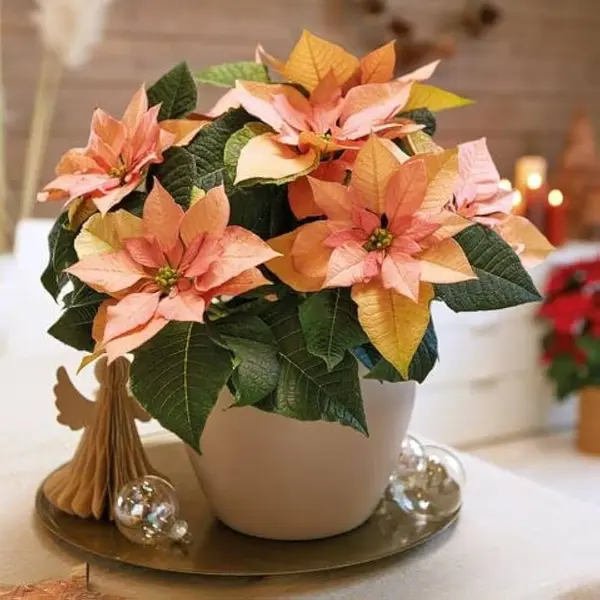
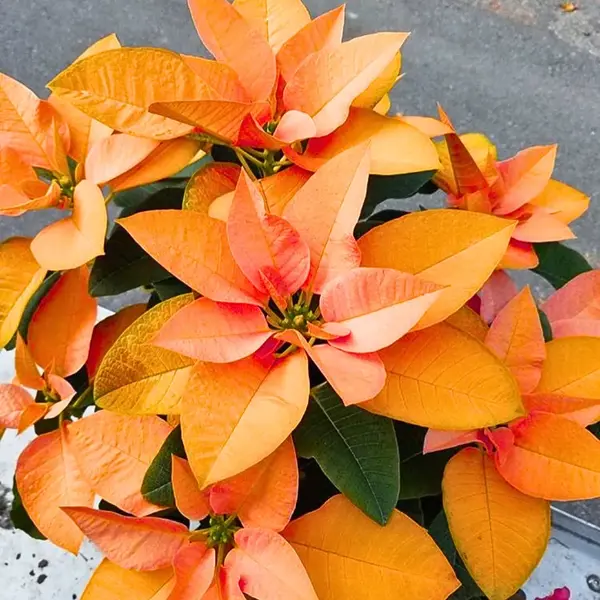
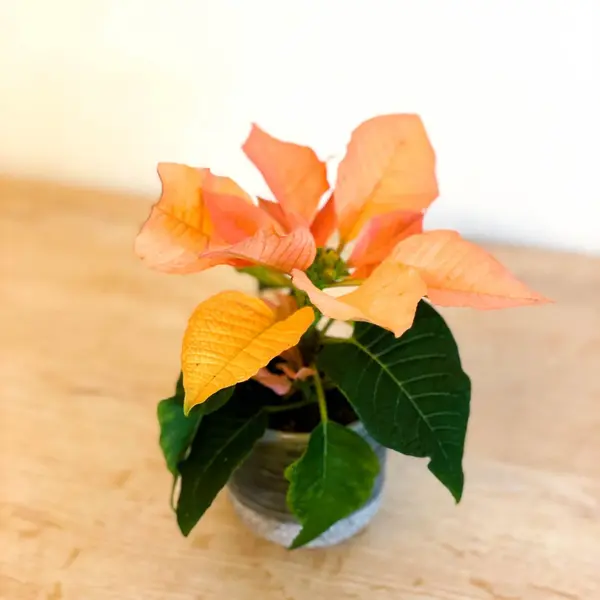
Orange Poinsettia
Original price was: ₹799.00.₹475.00Current price is: ₹475.00.
Selling Size : Single Plant | Pot Included | Secure Packing
The Orange Poinsettia (a colourful cultivar of Euphorbia pulcherrima) is admired for its warm, glowing orange bracts that bring a festive, tropical feel to homes and gardens. Though most commonly enjoyed during the holiday season, this poinsettia variety can thrive year-round with proper care. It is moderately easy to grow but does require attention to light, temperature, and watering to keep the bracts bright and the plant healthy.
Orange Poinsettia Care Guide :
🌞 Light Requirements
Orange Poinsettias need bright, indirect sunlight for best color and compact growth.
-
Keep the plant near a bright window—east or west-facing is ideal.
-
Avoid harsh afternoon sunlight, which may cause leaf scorch.
-
Low-light areas can cause fading, leggy stems, and premature leaf drop.
If natural light is insufficient, use a grow light placed 30–40 cm above the plant. Light plays a major role in keeping the bracts vibrant.
💧 Watering Needs
Poinsettias are sensitive to both underwatering and overwatering.
Follow these watering guidelines:
-
Water when the top 3–4 cm of soil dries out.
-
Always use a pot with drainage holes—waterlogging will cause root rot.
-
Water thoroughly until water drains out, then discard excess collected in the tray.
-
Reduce watering slightly during winter when growth slows.
Signs you’re watering poorly:
-
Overwatering: yellowing leaves, mushy stems, sudden leaf drop.
-
Underwatering: drooping, dry bract edges, and crispy leaves.
🌱 Soil Requirements
To keep the Orange Poinsettia thriving, use a well-draining yet moisture-retentive soil mix.
Recommended mix:
-
40% coco peat or peat moss
-
30% compost or well-aged cow dung
-
20% perlite
-
10% coarse sand or bark chips
Good aeration around the roots helps prevent fungal infections and encourages strong growth.
🌡️ Temperature & Climate
Orange Poinsettias prefer warm, stable temperatures.
-
Ideal range: 18°C – 25°C
-
Do not expose them to temperatures below 12°C—cold causes leaf drop.
-
Keep away from AC vents, cold drafts, and heaters.
-
Sudden temperature fluctuations stress the plant and reduce bract life.
Stable indoor conditions support vibrant coloring and longer-lasting blooms.
💦 Humidity Needs
These Poinsettias prefer moderate humidity levels.
-
Ideal humidity: 45–60%
-
In dry indoor environments, use a pebble tray or humidifier.
-
Grouping plants together also increases ambient humidity.
Do not mist the plant often—wet leaves may encourage fungal issues.
🌿 Fertilizing Routine
Feed the Orange Poinsettia during active growth months, especially after the blooming season is over.
Fertilizer schedule:
-
Feed every 20–30 days from March to September.
-
Use a balanced liquid fertilizer like NPK 10-10-10 or 19-19-19 at half strength.
-
Organic options like seaweed extract, vermicompost tea, or fish emulsion are beneficial.
Avoid fertilizing from October to December, as excessive feeding may interfere with bract coloring.
✂️ Pruning & Maintenance
Regular pruning helps maintain a neat, bushy plant.
-
Prune stems by one-third in early spring or after the bracts fade.
-
Pinch growing tips during summer to encourage compact branching.
-
Remove yellow or damaged leaves promptly.
Cleaning leaves with a soft cloth helps maintain photosynthesis and prevents pest buildup.
🌸 Reblooming & Coloring
To get the beautiful orange bracts the following season, the plant needs a short-day cycle.
-
From late September to early December, provide 14 hours of uninterrupted darkness each night.
-
Cover with a cardboard box or keep in a dark cupboard.
-
Provide bright light during the day.
This consistent darkness triggers the bracts to develop their signature orange colour.
🐛 Pests & Diseases
Common issues include:
-
Whiteflies
-
Mealybugs
-
Aphids
-
Spider mites
-
Root rot from overwatering
-
Fungal leaf spots
A neem oil spray every 10–15 days works as a preventive measure, especially during warm months. Maintain good airflow and avoid waterlogging to prevent fungal diseases.
🪴 Repotting
Repot the Orange Poinsettia:
-
Once every 1–2 years
-
In early spring
-
Into a pot only one size larger
Use fresh soil to promote healthy new growth.
🌼 Final Note
With the right balance of light, warmth, moisture, and periodic pruning, the Orange Poinsettia becomes a long-lasting, vibrant addition to your indoor collection. Its unique orange bracts make it a standout plant that adds colour and charm to any space.
Related products
-
Black zz plant, Raven ZZ Plant
Price range: ₹99.00 through ₹499.00Select options This product has multiple variants. The options may be chosen on the product pageSelling size: Please Choose (Single – Bushy) | 2.5″-5” Pot Included | Secure Packing The Black ZZ Plant, or Raven ZZ Plant (Zamioculcas zamiifolia ‘Raven’), is a popular, exceptionally resilient houseplant known for its striking, nearly black foliage. It shares the easy-care nature of the standard green ZZ plant, making it perfect for beginners or …
-
Philodendron Xanadu
Original price was: ₹450.00.₹199.00Current price is: ₹199.00.Add to cartSelling size:Well rooted plant | 2.5″ Pot Included | Secure Packing The Philodendron Xanadu, now officially classified as Thaumatophyllum xanadu, is a fantastic and relatively easy-to-care-for houseplant. It’s known for its compact, bushy growth habit and deeply lobed, glossy green leaves that give it a sophisticated, tropical look. Here is a complete guide to caring …
-
Philodendron ‘Prince of Orange’
Price range: ₹199.00 through ₹620.00Select options This product has multiple variants. The options may be chosen on the product pageSelling Size : Single Plant | Pot Included | Secure Packing The Philodendron ‘Prince of Orange’ is a stunning and popular hybrid known for its vibrant, ever-changing leaf colors. New leaves emerge as a brilliant orange or coppery color, and as they mature, they transition to a lime green, then a deep, glossy green. It …
-
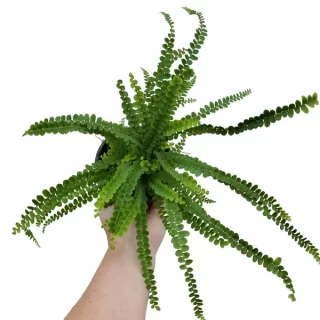
Lemon Button Fern Plant
Original price was: ₹539.00.₹179.00Current price is: ₹179.00.Add to cartSelling Size: Single plant | 2.5″ Pot Included The Lemon Button Fern (Nephrolepis cordifolia ‘Duffii’) is a popular and relatively easy-to-care-for fern. It’s known for its compact, arching fronds with small, button-like leaves and a subtle, lemony scent when you brush against them. Unlike some ferns, it’s a bit more forgiving of indoor conditions, making …
-
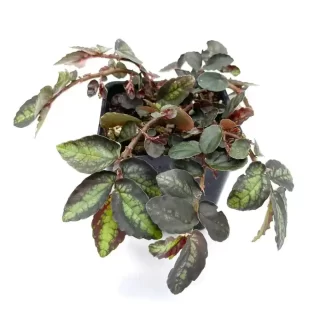
Pellionia repens var. pulchra
Original price was: ₹325.00.₹149.00Current price is: ₹149.00.Add to cartSelling size: Well rooted plant in a jiffy bag | Secure Packing The Pellionia repens var. pulchra, often called the Trailing Watermelon Begonia, is a beautiful and easy-to-care-for trailing plant. Its common name comes from the striking, patterned leaves that resemble the rind of a watermelon. Despite the name, it is not a true begonia …
-
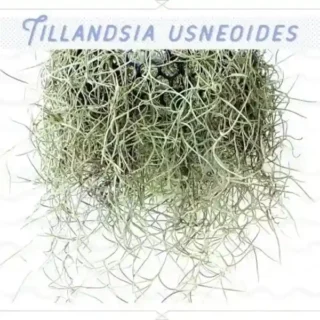
Spanish Moss Air Plant
Price range: ₹49.00 through ₹1,699.00Select options This product has multiple variants. The options may be chosen on the product pageSelling size: PLEASE CHOOSE Spanish Moss Air Plant – CARE INSTRUCTIONS Scientific name: Tillandsia usneoides Synonyms: Old man’s beard, Spanish Moss, French Hair, Spanish Beard Spanish Moss is a delicate silvery-grey air plant that is often used to hang in trees or as a gorgeous decor piece without the need for soil. Despite its name, Spanish Moss …
-
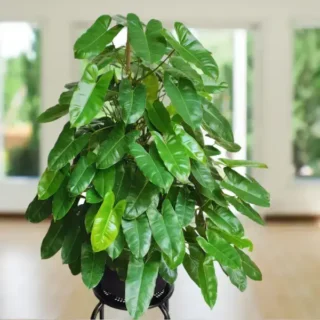
Philodendron Burle Marx Plant
Original price was: ₹485.00.₹149.00Current price is: ₹149.00.Add to cartSelling size: Single plant | Pot Included | Secure Packing The Philodendron Burle Marx is a fantastic and relatively easy-to-care-for plant, known for its glossy, spade-shaped leaves and dense, clumping growth. It’s often recommended as a great choice for beginner houseplant owners. Here is a comprehensive care guide for your Philodendron Burle Marx: Light …
-
Dischidia nummularia (Pebble Beach/ Button Orchid)
Price range: ₹99.00 through ₹599.00Select options This product has multiple variants. The options may be chosen on the product pagePlant Size: Single plant | 2.5″ Pot Included he Dischidia nummularia, commonly known as the String of Nickels, Pebble Beach plant, or Button Orchid, is a charming epiphyte with trailing stems covered in small, round, succulent-like leaves. It’s a great choice for hanging baskets and is known for being relatively easy to care for, especially …


 If you need any assistance, I'm always here. Have you found what you were looking for?