
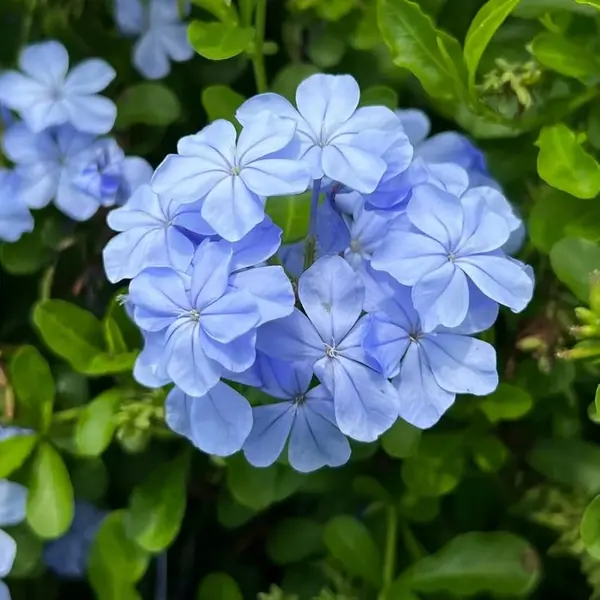
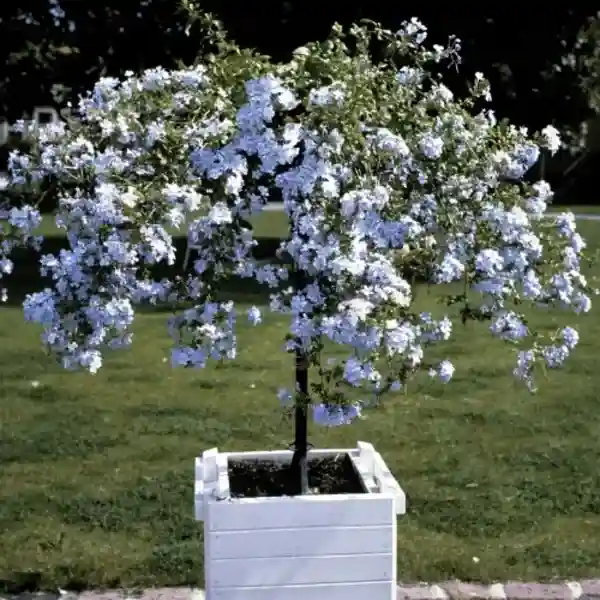
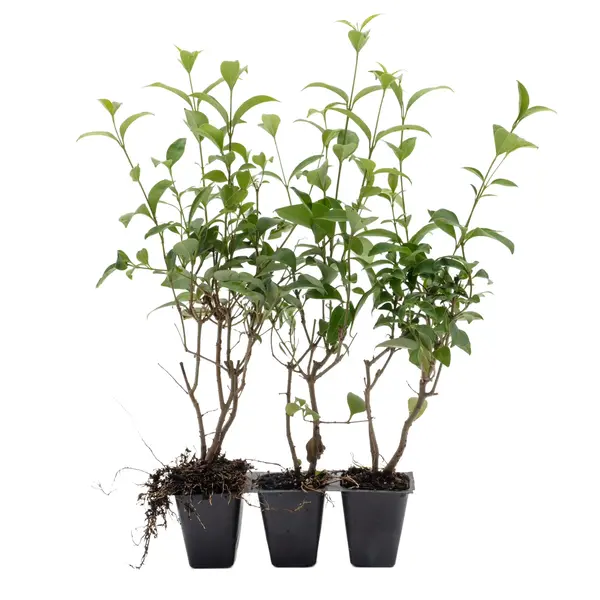
Plumbago Auriculata, Neelakoduveli
Original price was: ₹699.00.₹149.00Current price is: ₹149.00.
Selling Size : Single Plant | Pot Included | Secure Packing
The Cape Plumbago (Plumbago auriculata) is a gorgeous, sprawling shrub known for its lovely clusters of blue (or sometimes white/pink) flowers. It’s relatively easy to care for, especially in warmer climates.
Here’s a breakdown of its care requirements for Plumbago Auriculata :
Essential Care Requirements
Sunlight
- Full Sun to Partial Shade: Plumbago thrives in full sun (at least 6 hours of direct sunlight) as this encourages the most prolific flowering.
- It will tolerate partial shade but may have fewer blooms and can become more “leggy.”
Soil
- Well-Drained Soil: This is crucial. It tolerates most soil types (sandy, loamy, or clay) as long as it drains well. Poor drainage can lead to root rot.
- pH: It prefers a soil that is slightly acidic to neutral (around 6.1 to 7.3). Alkaline soil (high pH) can cause yellowing leaves (chlorosis).
Water
- Drought Tolerant, but Prefers Regular Moisture: Once established, Plumbago is quite drought-tolerant.
- For the best blooming, water regularly to keep the soil consistently moist but never soggy.
- Reduce watering frequency during the cooler, dormant winter months.
Temperature and Climate
- Hardiness Zones: It is typically grown as a perennial shrub in USDA Hardiness Zones 9-11.
- Frost Tender: It is sensitive to frost. Temperatures below can cause dieback, but it often recovers quickly in the spring.
- Cooler Climates (Zones 8 and below): You can grow it as an annual or in a container to bring indoors for the winter. If kept indoors, place it in a bright, sunny room and water sparingly.
Pruning and Maintenance
Pruning
- Regular Pruning is Key: Plumbago is a fast-growing, sprawling plant that benefits greatly from regular pruning to maintain a pleasing shape, control its size, and encourage new blooms (flowers form on new growth).
- When to Prune: The best time for major pruning is in late winter or early spring before new growth begins.
- Training: Its thin, arching branches can be trained to climb a trellis like a vine with a little help, or you can allow it to spill over walls and banks.
- Deadheading: Remove spent flower clusters regularly to promote continuous blooming.
Fertilizing
- Light Feeder: It doesn’t require heavy feeding.
- Apply a balanced slow-release fertilizer (like 10-10-10) once or twice a year, typically in early spring and possibly again in autumn, during the active growing season.
Pest and Problems
- Plumbago is generally quite resistant to serious pests and diseases.
- Watch for occasional pests like whiteflies, spider mites, or mealy bugs, especially on indoor container plants.
- Contact Dermatitis: Be aware that the plant can sometimes cause contact dermatitis, so it’s a good idea to wear gloves when handling and pruning it.
You must be logged in to post a review.
Related products
-
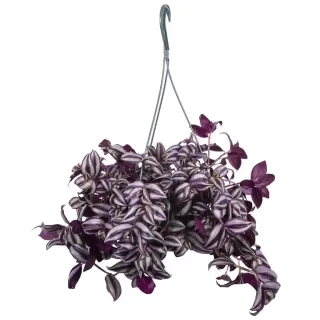
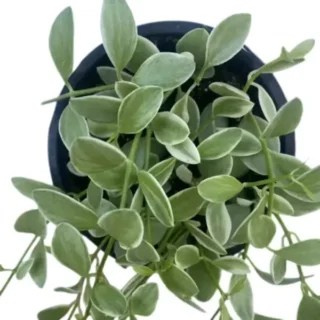
Wandering Jew Plant
Original price was: ₹305.00.₹149.00Current price is: ₹149.00.Add to cartSelling size: This plant comes in a 2.5″ Square pot The Wandering Jew Plant, also known as the Tradescantia! They’re such vibrant and easy-to-love plants. To keep yours thriving, here’s a rundown of Wandering Jew Plant care needs: Light: They absolutely love bright, indirect sunlight. Think of a spot near an east- or west-facing window …
-
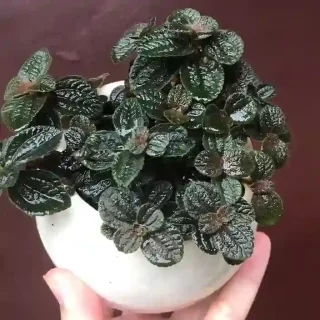
Pilea Repens, Black Panamiga
Original price was: ₹280.00.₹149.00Current price is: ₹149.00.Add to cartSize: Single Plant | Jiffy Bag Caring for a Pilea Ripens (also known as Black Panamiga) involves understanding its specific needs to ensure it thrives. Here’s a breakdown of Pilea Repens, Black Panamiga key care aspects: Key Care Points: Light: Pilea repens prefers bright, indirect sunlight. Direct sunlight can scorch its leaves. Rotating the plant …
-
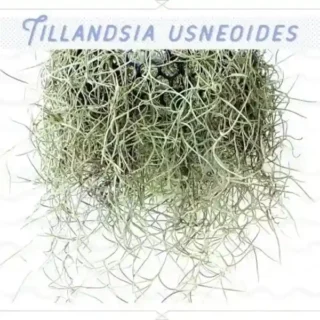
Spanish Moss Air Plant
Price range: ₹49.00 through ₹1,699.00Select options This product has multiple variants. The options may be chosen on the product pageSelling size: PLEASE CHOOSE Spanish Moss Air Plant – CARE INSTRUCTIONS Scientific name: Tillandsia usneoides Synonyms: Old man’s beard, Spanish Moss, French Hair, Spanish Beard Spanish Moss is a delicate silvery-grey air plant that is often used to hang in trees or as a gorgeous decor piece without the need for soil. Despite its name, Spanish Moss …
-
Scindapsus Pictus Exotica
Original price was: ₹380.00.₹99.00Current price is: ₹99.00.Add to cartSelling size: Single Plant | 2.5″ Pot Included The Scindapsus Pictus Exotica, also known as the silver pothos, is a houseplant with large, dark green leaves that have silver spots and mottling. Here’s a guide to caring for your Scindapsus pictus Exotica plant: Light: Prefers bright, indirect light. An east or west-facing window that’s about …
-
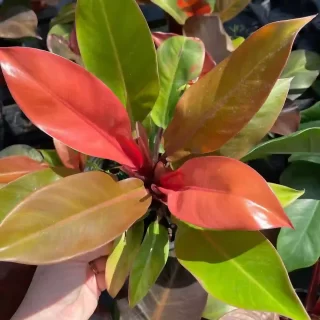
Philodendron ‘Prince of Orange’
Price range: ₹199.00 through ₹620.00Select options This product has multiple variants. The options may be chosen on the product pageSelling Size : Single Plant | Pot Included | Secure Packing The Philodendron ‘Prince of Orange’ is a stunning and popular hybrid known for its vibrant, ever-changing leaf colors. New leaves emerge as a brilliant orange or coppery color, and as they mature, they transition to a lime green, then a deep, glossy green. It …
-
Lemon Button Fern Plant
Original price was: ₹539.00.₹179.00Current price is: ₹179.00.Add to cartSelling Size: Single plant | 2.5″ Pot Included The Lemon Button Fern (Nephrolepis cordifolia ‘Duffii’) is a popular and relatively easy-to-care-for fern. It’s known for its compact, arching fronds with small, button-like leaves and a subtle, lemony scent when you brush against them. Unlike some ferns, it’s a bit more forgiving of indoor conditions, making …
-
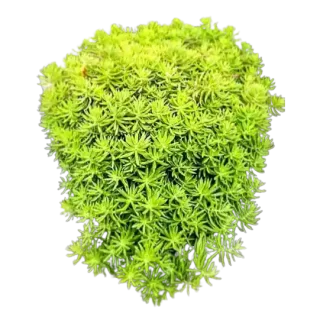
Golden Sedum Plant
Original price was: ₹549.00.₹349.00Current price is: ₹349.00.Add to cartSelling size: Well rooted plan | 2.5″ pot included The Golden Sedum (Sedum adolphii) is a popular succulent known for its bright, fleshy, evergreen leaves that can take on a beautiful golden-yellow or even reddish-pink tint in bright sun. It has a trailing or spreading growth habit, making it a great choice for hanging baskets, …


 If you need any assistance, I'm always here. Have you found what you were looking for?
Reviews
There are no reviews yet.