

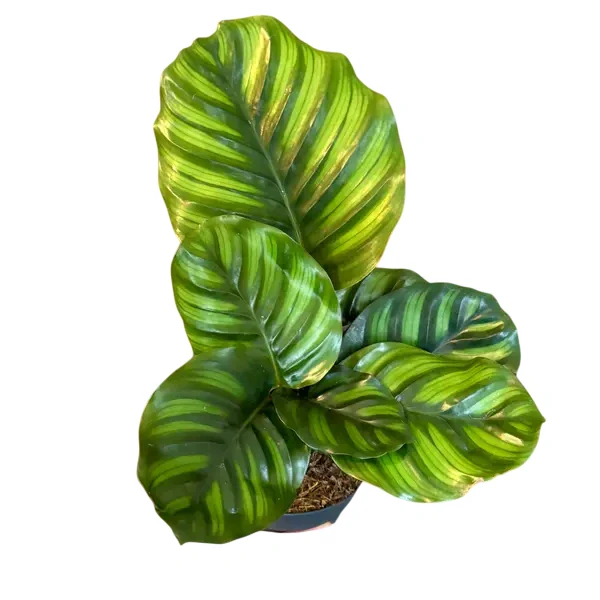
Faciata Green Apple
Original price was: ₹599.00.₹275.00Current price is: ₹275.00.
Selling Size : Single Plant | Pot Included | Secure Packing
Based on the provided information, it seems “Faciata Green Apple” is not a specific, widely recognized variety of apple. The search results consistently return information about general apple tree care or, in one instance, a plant called “Urn Plant (Aechmea Fasciata),” which is a type of bromeliad. It’s possible “Faciata Green Apple” is a name used in a specific region or by a particular nursery, but the care instructions would be the same as for any other green apple or apple tree.
Here’s a comprehensive guide to caring for a Faciata green apple :
1. Sunlight and Climate
- Sunlight: Apple trees thrive in full sun, meaning they need at least 6-8 hours of direct sunlight per day to maximize growth and fruit production. They can tolerate partial sun, but this may reduce the vigor of the tree and the quality of the fruit.
- Climate: Green apple trees prefer a cold, wet climate with a cold winter followed by a cool spring and summer. They are resilient to temperature fluctuations but may require protection in extreme cold (below -30°C) or heat (above 41°C).
2. Soil and Watering
- Soil: Apple trees are adaptable but prefer well-draining, fertile soil. They dislike salty or overly wet soils. The ideal soil pH is between 5.5 and 7.0.
- Watering: Water apple trees regularly, especially during the first year after planting. The goal is to keep the soil moist but not waterlogged, which can lead to root rot. A general rule is to water every 1-2 weeks, adjusting for your specific climate and soil type. Sandy soil may need more frequent watering than clay soil.
3. Fertilization
- Young Trees: Young trees do not need to be fertilized in their first year.
- Mature Trees: Fertilize mature, fruit-bearing trees once a year, typically in the fall or spring. Use a balanced fertilizer with a ratio like 12-12-12 or 11-15-15 (Nitrogen-Phosphorus-Potassium). Nitrogen and potassium are crucial for leaf growth, flowering, and fruit set, while phosphorus is important for root development.
4. Pruning
- Timing: The best time to prune an apple tree is in the late winter when the tree is dormant and before new growth begins in the spring. You can also do light pruning in the summer to remove unwanted shoots or diseased branches.
- Purpose: Pruning is essential for maintaining the tree’s health, promoting fruit production, and controlling its size. It improves structural strength, encourages air circulation, and helps prevent diseases.
- Techniques:
- Remove dead, diseased, or damaged branches.
- Thin out overcrowding: Remove branches that are growing inward or crossing other branches.
- Maintain an open canopy: This allows for good airflow and sunlight penetration to the center of the tree.
- Use proper cuts: Cut just outside the “branch collar” (the raised tissue at the base of the branch) and avoid leaving stubs.
5. Pests and Diseases
Apple trees are susceptible to various pests and diseases. Common issues include:
- Apple Scab: A fungal disease that causes olive-black spots on leaves and fruit. It is most severe in wet weather. Sanitation (removing fallen leaves) and fungicide sprays can help.
- Aphids: Small insects that feed on the sap of the tree, causing leaves to curl and become sticky. Ladybugs and other beneficial insects can help control them.
- Codling Moth: The “worms” that infest apples. They lay eggs on the fruit, and the larvae burrow inside.
- Fire Blight: A bacterial disease that causes shoots to wilt and turn brown in a distinctive “shepherd’s crook” shape.
- Root Rot: Caused by a fungus and often a result of overwatering or poorly draining soil.
To prevent problems:
- Choose a resistant variety if possible.
- Prune annually to maintain an open canopy.
- Practice good sanitation by raking up fallen leaves and fruit.
- Monitor the tree for signs of pests or diseases and treat them promptly.
You must be logged in to post a review.
You may also like…
-
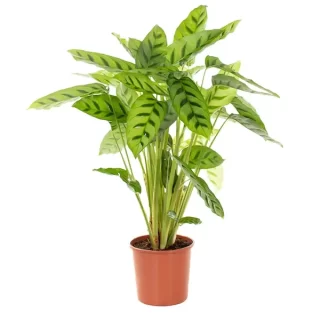
Calathea Leopardina
Original price was: ₹360.00.₹199.00Current price is: ₹199.00.Add to cartSingle plant | Pot Included Light Unlike other houseplants, Calathea can be placed in direct sunlight. Be sure to only place the plant in a well-lit area without direct sunlight from a window. If you do not have direct sunlight from a window, you should place the pots inside a room with indirect light. This …
-
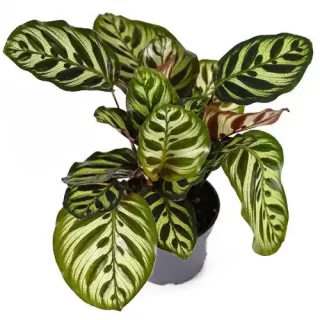
Calathea Makoyana
Price range: ₹149.00 through ₹749.00Select options This product has multiple variants. The options may be chosen on the product pageCalathea Makoyana, also known as the Peacock Plant, is a beautiful houseplant that requires specific care to thrive. Calathea Makoyana Plant Care: 1. Light: Bright, Indirect Light: This is crucial. Calathea Makoyana prefers medium to bright indirect light, mimicking its natural habitat on the rainforest floor where sunlight is filtered through a dense canopy. Avoid …
Related products
-
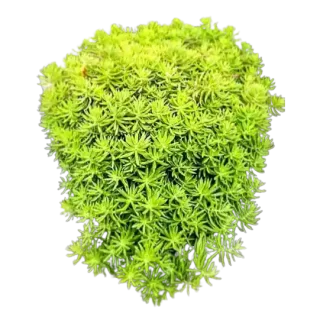
Golden Sedum Plant
Original price was: ₹549.00.₹349.00Current price is: ₹349.00.Add to cartSelling size: Well rooted plan | 2.5″ pot included The Golden Sedum (Sedum adolphii) is a popular succulent known for its bright, fleshy, evergreen leaves that can take on a beautiful golden-yellow or even reddish-pink tint in bright sun. It has a trailing or spreading growth habit, making it a great choice for hanging baskets, …
-
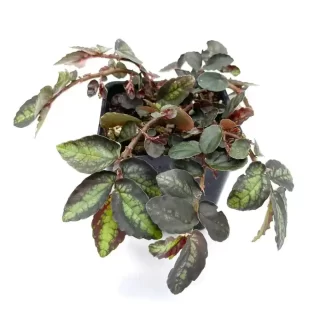
Pellionia repens var. pulchra
Original price was: ₹325.00.₹149.00Current price is: ₹149.00.Add to cartSelling size: Well rooted plant in a jiffy bag | Secure Packing The Pellionia repens var. pulchra, often called the Trailing Watermelon Begonia, is a beautiful and easy-to-care-for trailing plant. Its common name comes from the striking, patterned leaves that resemble the rind of a watermelon. Despite the name, it is not a true begonia …
-
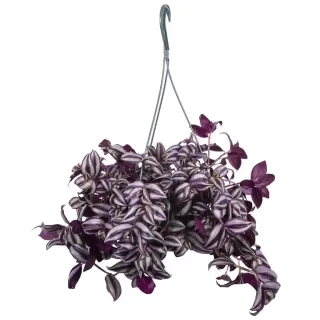
Wandering Jew Plant
Original price was: ₹305.00.₹149.00Current price is: ₹149.00.Add to cartSelling size: This plant comes in a 2.5″ Square pot The Wandering Jew Plant, also known as the Tradescantia! They’re such vibrant and easy-to-love plants. To keep yours thriving, here’s a rundown of Wandering Jew Plant care needs: Light: They absolutely love bright, indirect sunlight. Think of a spot near an east- or west-facing window …
-
Golden Pothos
Original price was: ₹355.00.₹99.00Current price is: ₹99.00.Add to cartSelling size : Well rooted plant | 2.5″ pot included The Golden Pothos (Epipremnum aureum), also known as Devil’s Ivy, is one of the most popular and easiest houseplants to care for, making it an excellent choice for beginners. It’s a vining plant with heart-shaped leaves that are a vibrant green, often with splashes or …
-
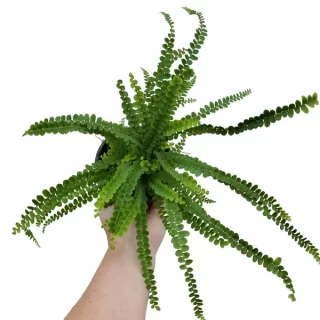
Lemon Button Fern Plant
Original price was: ₹539.00.₹179.00Current price is: ₹179.00.Add to cartSelling Size: Single plant | 2.5″ Pot Included The Lemon Button Fern (Nephrolepis cordifolia ‘Duffii’) is a popular and relatively easy-to-care-for fern. It’s known for its compact, arching fronds with small, button-like leaves and a subtle, lemony scent when you brush against them. Unlike some ferns, it’s a bit more forgiving of indoor conditions, making …
-
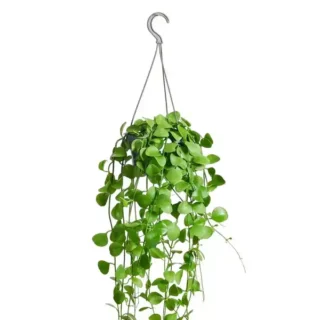
Dischidia Oiantha plant
Price range: ₹99.00 through ₹599.00Select options This product has multiple variants. The options may be chosen on the product pagePlant Size: Single plant | Secure Packing The Dischidia oiantha, often referred to as a “Hoya cousin,” is a charming, easy-to-care-for epiphyte with trailing vines and small, oval, succulent-like leaves. It’s a great choice for hanging baskets or for adding a touch of whimsy to a shelf. Here is a comprehensive guide to caring for …
-
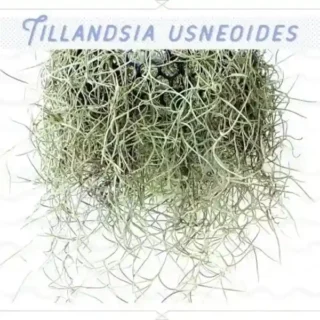
Spanish Moss Air Plant
Price range: ₹49.00 through ₹1,699.00Select options This product has multiple variants. The options may be chosen on the product pageSelling size: PLEASE CHOOSE Spanish Moss Air Plant – CARE INSTRUCTIONS Scientific name: Tillandsia usneoides Synonyms: Old man’s beard, Spanish Moss, French Hair, Spanish Beard Spanish Moss is a delicate silvery-grey air plant that is often used to hang in trees or as a gorgeous decor piece without the need for soil. Despite its name, Spanish Moss …
-
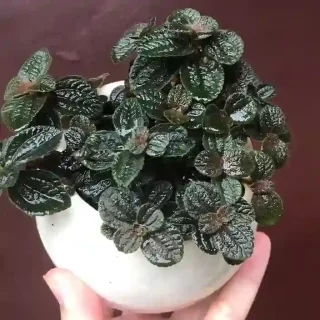
Pilea Repens, Black Panamiga
Original price was: ₹280.00.₹149.00Current price is: ₹149.00.Add to cartSize: Single Plant | Jiffy Bag Caring for a Pilea Ripens (also known as Black Panamiga) involves understanding its specific needs to ensure it thrives. Here’s a breakdown of Pilea Repens, Black Panamiga key care aspects: Key Care Points: Light: Pilea repens prefers bright, indirect sunlight. Direct sunlight can scorch its leaves. Rotating the plant …

 If you need any assistance, I'm always here. Have you found what you were looking for?
Reviews
There are no reviews yet.