
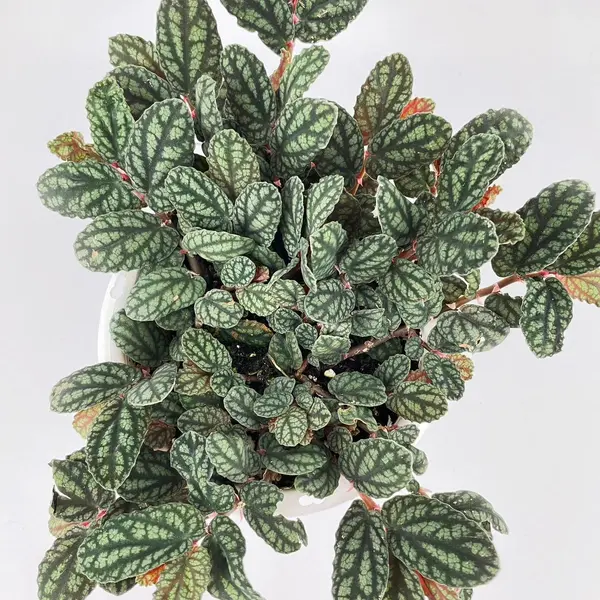
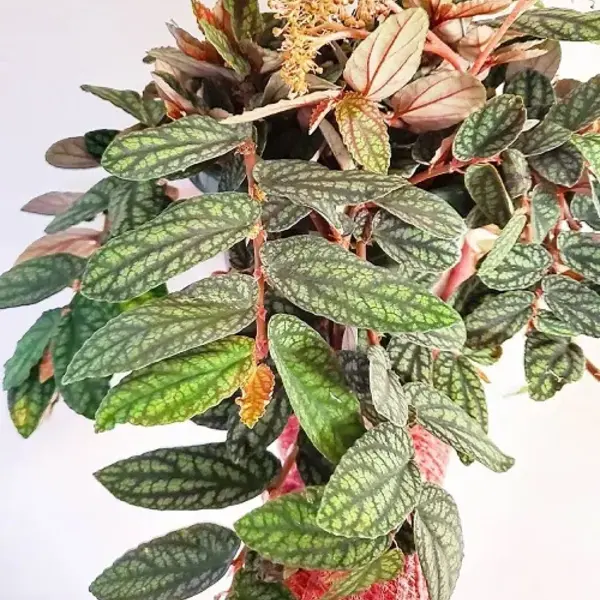
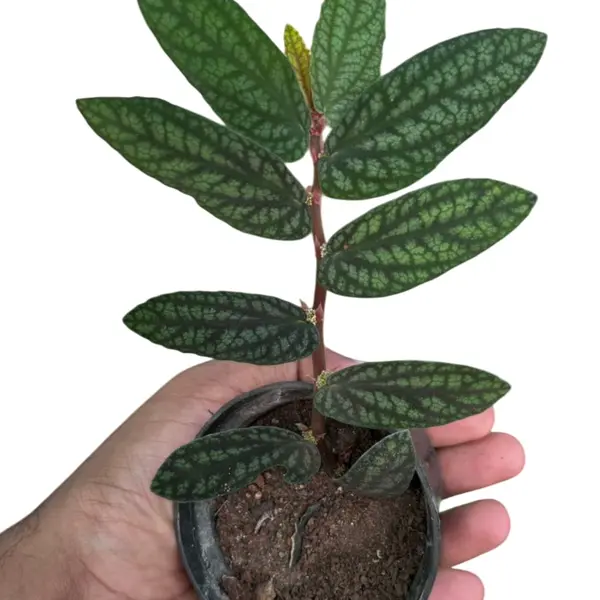
Trailing Watermelon Begonia, Pellionia Repens
Original price was: ₹499.00.₹299.00Current price is: ₹299.00.
7 in stock
Selling Size : Single Plant | Pot Included | Secure Packing
Trailing Watermelon Begonia, also known as Peperomia argyreia trailing hybrid or Watermelon Peperomia Creeper, is a stunning plant cherished for its cascading vines and distinctive watermelon-patterned leaves. It brings a beautiful tropical feel to indoor and shaded outdoor spaces. With proper care, this plant grows vigorously, producing lush trails of foliage that instantly elevate the ambience of your home or garden. Here’s a complete and easy-to-follow care guide.
Trailing Watermelon Begonia Care Guide :
Light Requirements
Trailing Watermelon Begonia thrives in bright, indirect light. Too much direct sun can scorch the delicate leaves, causing fading and crispy edges. A location near an east- or north-facing window is ideal. If keeping outdoors, place it in a spot with filtered sunlight—like under a shade net or beside taller plants that naturally block harsh rays. Insufficient light may cause leggy growth and smaller leaves, so aim for a balance that keeps the foliage vibrant and healthy.
Watering Needs
This plant prefers moderately moist soil but does not tolerate waterlogging. Water when the top 2–3 cm of soil feels dry. Overwatering is the most common issue with Peperomias and can lead to root rot, mushy stems, and yellowing leaves. Always use pots with drainage holes and allow excess water to flow out completely. During the monsoon or winter season, reduce watering frequency as the soil will retain moisture longer. In contrast, during hot summer months, check the soil more often so the plant doesn’t dry out completely.
Humidity & Temperature
Being a tropical plant, Trailing Watermelon Begonia prefers high humidity—ideally between 50–70%. It grows well in bathrooms, balconies, shaded patios, or rooms with humidifiers. You can also place a pebble tray filled with water under the pot to increase humidity naturally.
Temperature-wise, keep it between 18–30°C. Avoid cold drafts, AC vents, and sudden temperature fluctuations, as they can stress the plant and stunt growth.
Soil Mixture
A light, airy, and well-draining mix is essential. A perfect blend can include:
-
40% cocopeat or peat moss
-
30% perlite or pumice
-
20% coco chips or orchid bark
-
10% compost or vermicompost
This mixture allows roots to breathe and prevents moisture from sitting too long in the soil. Trailing Watermelon Begonia has fine roots, so compact or clay-heavy soils should be avoided.
Fertilizer Requirements
Feed the plant with a balanced liquid fertilizer (NPK 10-10-10 or 14-14-14) once every 4–6 weeks during the growing season—spring to early autumn. Avoid overfertilizing, as it can cause leaf burn. Organic options like seaweed extract or compost tea also work beautifully, promoting lush growth without harming the plant.
Pruning & Maintenance
Pruning helps maintain shape and encourages bushier growth. Trim leggy or overgrown vines, and remove yellow or damaged leaves regularly. The cuttings can be easily propagated in water or soil, making it simple to create new trailing plants. Wipe the leaves occasionally with a damp cloth to remove dust and maintain their striking pattern.
Propagation
Propagation is easy and highly rewarding.
-
Take healthy stem cuttings with at least 2–3 nodes.
-
Place them in water or directly in a moist, airy potting mix.
-
Keep the cuttings in bright, indirect light.
Roots typically appear within 2–4 weeks.
Common Problems & Solutions
-
Yellowing leaves: Overwatering. Adjust the watering schedule.
-
Crispy or curling leaves: Low humidity or too much direct sun. Shift to a shaded spot.
-
Dropping leaves: Sudden temperature change or underwatering. Maintain consistent care.
-
Mealybugs or spider mites: Wipe leaves with neem oil solution weekly until resolved.
Conclusion
Trailing Watermelon Begonia is a low-maintenance, eye-catching plant perfect for shelves, hanging baskets, and tabletop displays. With the right combination of bright indirect light, proper watering, humidity, and well-draining soil, it rewards you with lush trailing foliage that resembles tiny watermelons—making it a delightful addition to any indoor garden.
Related products
-
Philodendron Xanadu
Original price was: ₹450.00.₹199.00Current price is: ₹199.00.Add to cartSelling size:Well rooted plant | 2.5″ Pot Included | Secure Packing The Philodendron Xanadu, now officially classified as Thaumatophyllum xanadu, is a fantastic and relatively easy-to-care-for houseplant. It’s known for its compact, bushy growth habit and deeply lobed, glossy green leaves that give it a sophisticated, tropical look. Here is a complete guide to caring …
-
String Of Nickels (Dischidia nummularia)
Price range: ₹99.00 through ₹599.00Select options This product has multiple variants. The options may be chosen on the product pageSelling size: Well rooted plant in a Jiffy bag The Dischidia nummularia, commonly known as the String of Nickels or Button Orchid, is a delightful and easy-to-care-for trailing epiphyte. Its common name comes from its small, round, coin-shaped leaves that densely cover its long, slender stems. As a relative of the Hoya, it shares a similar …
-
Golden Sedum Plant
Original price was: ₹549.00.₹349.00Current price is: ₹349.00.Add to cartSelling size: Well rooted plan | 2.5″ pot included The Golden Sedum (Sedum adolphii) is a popular succulent known for its bright, fleshy, evergreen leaves that can take on a beautiful golden-yellow or even reddish-pink tint in bright sun. It has a trailing or spreading growth habit, making it a great choice for hanging baskets, …
-
Philodendron Mican plant
Original price was: ₹650.00.₹99.00Current price is: ₹99.00.Add to cartSelling size: A well rooted plant | 2.5″ Pot Included The Philodendron Micans (Philodendron hederaceum ‘Micans’), also known as the Velvet-Leaf Philodendron, is a popular, easy-care trailing or climbing houseplant prized for its unique, velvety, heart-shaped leaves that emerge a beautiful chartreuse/pink and mature to a deep, iridescent, bronze-green with hints of purple. Here is …
-
Chlorophytum Spider Live Plant
Original price was: ₹249.00.₹99.00Current price is: ₹99.00.Add to cartSelling size: Well rooted Single plant | 2.5″ Pot included Chlorophytum Spider, also the Spider Plant is an impressive houseplant which is the perfect plant for any beginner. A NASA certified air purifier, its long, green foliage with white variegations look good in both hanging planters and as desktop setups. In favourable conditions, it blooms …
-
Scindapsus Pictus Exotica
Original price was: ₹380.00.₹99.00Current price is: ₹99.00.Add to cartSelling size: Single Plant | 2.5″ Pot Included The Scindapsus Pictus Exotica, also known as the silver pothos, is a houseplant with large, dark green leaves that have silver spots and mottling. Here’s a guide to caring for your Scindapsus pictus Exotica plant: Light: Prefers bright, indirect light. An east or west-facing window that’s about …
-
Spanish Moss Air Plant
Price range: ₹49.00 through ₹1,699.00Select options This product has multiple variants. The options may be chosen on the product pageSelling size: PLEASE CHOOSE Spanish Moss Air Plant – CARE INSTRUCTIONS Scientific name: Tillandsia usneoides Synonyms: Old man’s beard, Spanish Moss, French Hair, Spanish Beard Spanish Moss is a delicate silvery-grey air plant that is often used to hang in trees or as a gorgeous decor piece without the need for soil. Despite its name, Spanish Moss …
-
Philodendron ‘Prince of Orange’
Price range: ₹199.00 through ₹620.00Select options This product has multiple variants. The options may be chosen on the product pageSelling Size : Single Plant | Pot Included | Secure Packing The Philodendron ‘Prince of Orange’ is a stunning and popular hybrid known for its vibrant, ever-changing leaf colors. New leaves emerge as a brilliant orange or coppery color, and as they mature, they transition to a lime green, then a deep, glossy green. It …







 If you need any assistance, I'm always here. Have you found what you were looking for?