
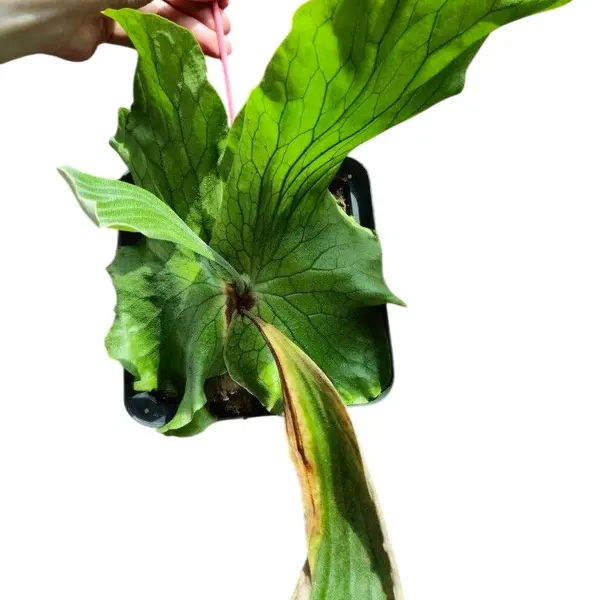
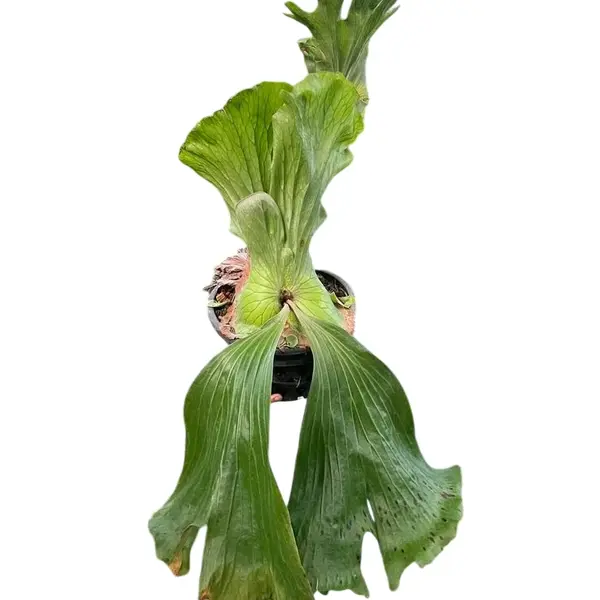
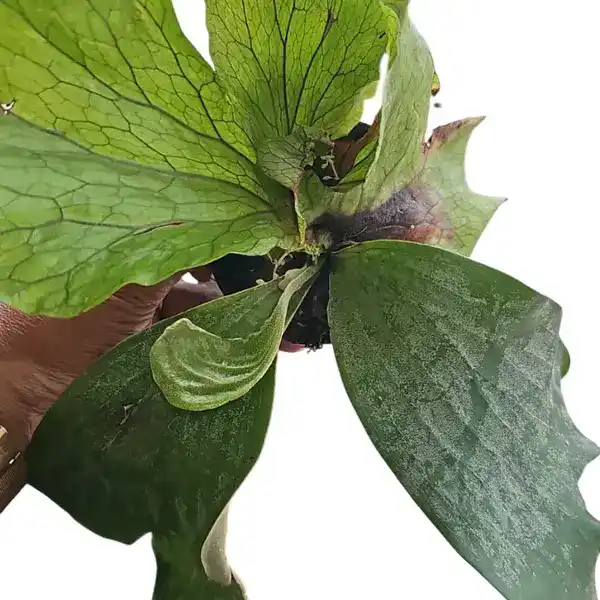
Staghorn Neptune
Original price was: ₹3,500.00.₹3,328.00Current price is: ₹3,328.00.
Selling Size : Single Plants | Pot Included | Secure Packing | Free Delivery
Staghorn Neptune is a striking hybrid staghorn fern admired for its bold, antler-shaped fertile fronds and broad, sculptural shield fronds. Compared to common staghorns, ‘Neptune’ grows larger, more dramatic fronds and develops an impressive, architectural presence when mature. Though it looks exotic, its care is quite manageable once you understand its epiphytic nature.
Staghorn Neptune Care Guide :
Light Requirements
Staghorn Neptune thrives in bright, indirect light. In nature, it grows attached to trees under filtered sunlight, so replicate this at home. Place it near an east- or north-facing window, or a few meters away from a bright south-facing window with sheer curtains. Too much direct sun can scorch the fronds, while low light slows growth and results in smaller, weaker antlers. Outdoors, dappled shade under trees or a shaded balcony works beautifully.
Watering
Watering is the most important—and most misunderstood—part of staghorn care. Neptune prefers a soak-and-dry rhythm. When mounted or grown in a basket, water thoroughly by soaking the root ball or mount in clean water for 10–15 minutes. Allow it to drain completely before rehanging.
In warm weather, watering once every 5–7 days is typical. During cooler or humid seasons, reduce watering to every 10–14 days. Always check before watering: if the base feels light and dry, it’s time. Overwatering can cause rot, especially if air circulation is poor.
Humidity & Airflow
High humidity keeps Staghorn Neptune lush and healthy. Aim for 60–80% humidity if possible. In dry indoor environments, mist lightly in the morning or use a humidifier nearby. However, humidity must be balanced with good airflow. Stagnant air combined with moisture can lead to fungal issues. A well-ventilated room or shaded outdoor location is ideal.
Temperature
This fern enjoys warm, tropical conditions. The ideal temperature range is 18–32°C. It does not tolerate cold well and should be protected from temperatures below 12°C. Avoid placing it near air conditioners, heaters, or cold drafts, as sudden temperature changes stress the plant.
Mounting & Growing Medium
Platycerium ‘Neptune’ grows best mounted on wood, cork bark, or tree fern slabs, or in open wire baskets. Use a loose, fast-draining medium such as sphagnum moss mixed with a bit of coco chips or bark. Never use compact soil. The shield fronds naturally protect the roots—do not remove dry or brown shields, as this is normal and beneficial.
Feeding
Feed lightly but regularly during active growth. Use a diluted balanced liquid fertilizer (¼ strength) once every 3–4 weeks in spring and summer. Organic options like fish emulsion or seaweed extract work very well. Avoid overfertilizing, as staghorns are sensitive to salt buildup.
Pruning & Maintenance
Minimal pruning is required. Remove only damaged or rotting fertile fronds. Do not peel off old shield fronds—they are meant to stay and help the plant absorb nutrients. Dust can be gently blown off or rinsed with water.
Common Problems
-
Brown tips: Low humidity or underwatering
-
Black, soft base: Overwatering or poor airflow
-
Slow growth: Low light or lack of nutrients
Final Thoughts
Staghorn Neptune is a statement plant that rewards patience with dramatic growth. Once settled, it becomes tougher and more resilient over time. With bright filtered light, careful watering, warmth, and airflow, this majestic staghorn will thrive and become a true centerpiece in any plant collection.
Related products
-
Pilea involucrata ‘Norfolk’ – Friendship Plant
Original price was: ₹450.00.₹199.00Current price is: ₹199.00.Add to cartSize: Single Plant | 2.5″ Pot Included | Free Shipping The Pilea involucrata ‘Norfolk’, commonly known as the Friendship Plant, is a delightful houseplant celebrated for its unique, velvety, quilted foliage. The leaves have a rich texture and a beautiful color palette, with deep green and bronze tones on the upper surface and a reddish-purple …
-
Black zz plant, Raven ZZ Plant
Price range: ₹99.00 through ₹499.00Select options This product has multiple variants. The options may be chosen on the product pageSelling size: Please Choose (Single – Bushy) | 2.5″-5” Pot Included | Secure Packing The Black ZZ Plant, or Raven ZZ Plant (Zamioculcas zamiifolia ‘Raven’), is a popular, exceptionally resilient houseplant known for its striking, nearly black foliage. It shares the easy-care nature of the standard green ZZ plant, making it perfect for beginners or …
-
Philodendron Xanadu
Original price was: ₹450.00.₹199.00Current price is: ₹199.00.Add to cartSelling size:Well rooted plant | 2.5″ Pot Included | Secure Packing The Philodendron Xanadu, now officially classified as Thaumatophyllum xanadu, is a fantastic and relatively easy-to-care-for houseplant. It’s known for its compact, bushy growth habit and deeply lobed, glossy green leaves that give it a sophisticated, tropical look. Here is a complete guide to caring …
-
Scindapsus Pictus Exotica
Original price was: ₹380.00.₹99.00Current price is: ₹99.00.Add to cartSelling size: Single Plant | 2.5″ Pot Included The Scindapsus Pictus Exotica, also known as the silver pothos, is a houseplant with large, dark green leaves that have silver spots and mottling. Here’s a guide to caring for your Scindapsus pictus Exotica plant: Light: Prefers bright, indirect light. An east or west-facing window that’s about …
-
String Of Nickels (Dischidia nummularia)
Price range: ₹99.00 through ₹599.00Select options This product has multiple variants. The options may be chosen on the product pageSelling size: Well rooted plant in a Jiffy bag The Dischidia nummularia, commonly known as the String of Nickels or Button Orchid, is a delightful and easy-to-care-for trailing epiphyte. Its common name comes from its small, round, coin-shaped leaves that densely cover its long, slender stems. As a relative of the Hoya, it shares a similar …
-
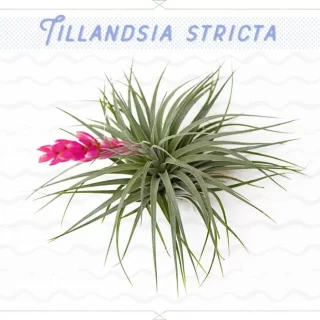
Tillandsia Stricta (Air plant)
Original price was: ₹400.00.₹199.00Current price is: ₹199.00.Add to cartSelling size: Single plant | Secure Packing The Tillandsia Stricta (Air plant) is one of the most popular and adaptable species of air plants, known for its soft, green-silver foliage and beautiful blooms. Like all air plants, it is epiphytic, meaning it absorbs all its water and nutrients through its leaves from the air, not …
-
Philodendron Mican plant
Original price was: ₹650.00.₹99.00Current price is: ₹99.00.Add to cartSelling size: A well rooted plant | 2.5″ Pot Included The Philodendron Micans (Philodendron hederaceum ‘Micans’), also known as the Velvet-Leaf Philodendron, is a popular, easy-care trailing or climbing houseplant prized for its unique, velvety, heart-shaped leaves that emerge a beautiful chartreuse/pink and mature to a deep, iridescent, bronze-green with hints of purple. Here is …
-
Lemon Button Fern Plant
Original price was: ₹539.00.₹179.00Current price is: ₹179.00.Add to cartSelling Size: Single plant | 2.5″ Pot Included The Lemon Button Fern (Nephrolepis cordifolia ‘Duffii’) is a popular and relatively easy-to-care-for fern. It’s known for its compact, arching fronds with small, button-like leaves and a subtle, lemony scent when you brush against them. Unlike some ferns, it’s a bit more forgiving of indoor conditions, making …






 If you need any assistance, I'm always here. Have you found what you were looking for?