
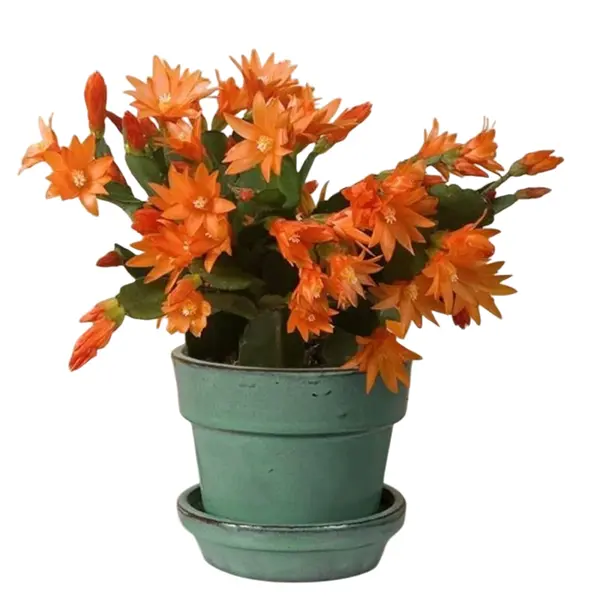
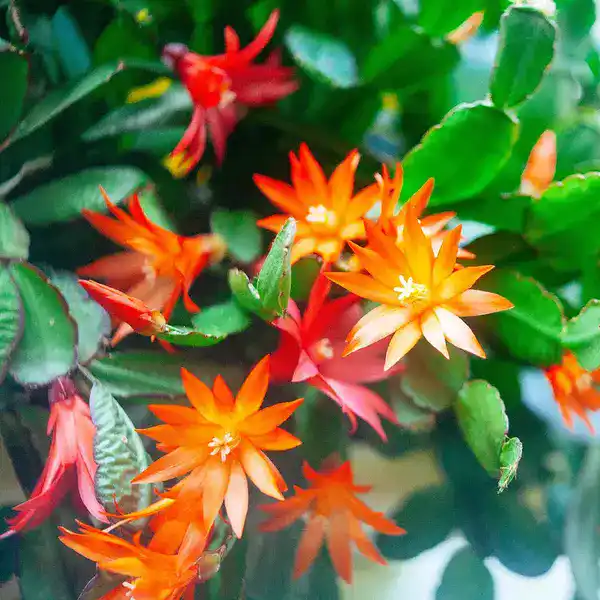
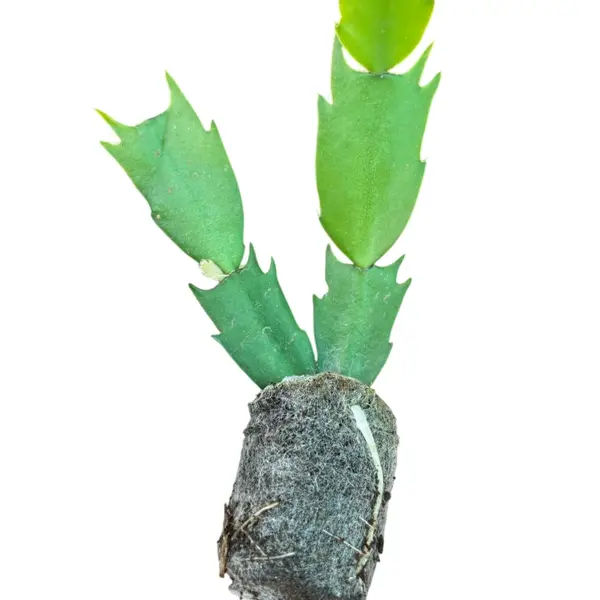
Schlumbergera Orange, Christmas Cactus Orange
Original price was: ₹99.00.₹29.00Current price is: ₹29.00.
Out of stock
Email when stock available
Size: Single Plant in a Jiffy Bag | Secure Packing
A Schlumbergera Orange, Christmas Cactus Orange(or Thanksgiving Cactus, as it’s more likely to be given its orange color and bloom time) is a Schlumbergera hybrid. These plants are native to the tropical rainforests of Brazil, where they grow on trees as epiphytes. This is a key fact for their care, as it means they need different conditions than desert cacti.
Here is a guide to caring for your Schlumbergera Orange, Christmas Cactus Orange :
Light
- Bright, Indirect Light: This is the most important factor. They thrive in dappled, filtered light, similar to what they would get under a tree canopy. An east-facing window is often ideal.
- Avoid Direct Sun: Too much direct sun can scorch their leaves (technically, flattened stem segments), causing them to turn a yellowish or reddish color.
- Indoors: Indoors, place the plant near a bright window but not in a spot that gets harsh, direct sunlight all day.
Watering
- Keep Soil Evenly Moist: Unlike desert cacti, they do not like their soil to completely dry out. Water when the top inch of the soil feels dry to the touch.
- Well-Draining Soil is Crucial: Use a well-draining potting mix. A good mix will have ingredients like potting soil, coco coir, perlite, and/or orchid bark to ensure proper drainage and aeration. Never let the pot sit in a saucer of standing water, as this will lead to root rot.
- Reduce Watering in Dormancy: After the plant is done blooming, it goes through a period of rest. Reduce watering during this time (late winter/early spring and again in late summer/early fall) to prepare it for the next bloom cycle.
Temperature and Humidity
- Warmth and Humidity: These tropical plants love warmth and humidity. They do well in average household temperatures, but prefer to be in a humid environment.
- Increase Humidity: To increase humidity, you can mist the plant, place it on a tray of pebbles filled with water (making sure the pot is not submerged), or use a room humidifier.
- Temperature for Blooming: To encourage blooming, the plant needs a period of cooler temperatures, especially at night. A temperature range of 55-60°F (13-15°C) at night for about 6-8 weeks in the fall can help to set buds.
Fertilizing
- During Growing Season: Fertilize during the growing season (spring and summer) with a balanced liquid fertilizer, diluted to half-strength. Fertilize every 2-4 weeks.
- Stop Fertilizing Before Blooming: Stop fertilizing in late summer or early fall to prepare the plant for its blooming period. Do not fertilize when it is in bloom.
Encouraging Blooms (The Secret)
The most common question about these plants is how to get them to bloom again. The key is to mimic their natural cycle.
- Cooler Temperatures: As mentioned above, a period of cooler nights is very important.
- Longer Nights/Darkness: Starting in the fall (around late September), give the plant a period of uninterrupted darkness for at least 12-14 hours each night. Any light exposure during this period can prevent buds from forming. You can place the plant in a dark room or cover it with a box or a cloth. This period of long nights and short days is what triggers the blooming process.
- Reduce Watering: Lightly reduce watering during this period of cooler temperatures and darkness.
Once you see buds forming (usually in late fall), you can move the plant back to its normal, brighter location and resume regular watering. Avoid moving the plant once buds have formed, as a change in environment can cause the buds to drop.
Repotting
- Repot every 2-3 years, or when the plant becomes root-bound. The best time to repot is in the spring, after it has finished blooming and is entering its growing phase. Choose a pot only slightly larger than the previous one.
You must be logged in to post a review.
Related products
-
String of Bananas
Original price was: ₹450.00.₹249.00Current price is: ₹249.00.Add to cartSelling size: Mentioned in last Picture | Secure Packing The String of Bananas (Curio radicans or Senecio radicans) is a charming trailing succulent known for its long, cascading stems covered in plump, banana-shaped leaves. It’s a popular choice for hanging baskets and is generally easy to care for, especially for those who are new …
-
Philodendron Mican plant
Original price was: ₹650.00.₹99.00Current price is: ₹99.00.Add to cartSelling size: A well rooted plant | 2.5″ Pot Included The Philodendron Micans (Philodendron hederaceum ‘Micans’), also known as the Velvet-Leaf Philodendron, is a popular, easy-care trailing or climbing houseplant prized for its unique, velvety, heart-shaped leaves that emerge a beautiful chartreuse/pink and mature to a deep, iridescent, bronze-green with hints of purple. Here is …
-
Philodendron Moonshine
Original price was: ₹1,250.00.₹249.00Current price is: ₹249.00.Add to cartSelling size: Single plant | Pot included | Secure Packing The Philodendron Moonshine (often also called ‘Moonlight’) is a popular hybrid known for its vibrant, almost glowing, chartreuse-colored leaves. It has an upright, self-heading growth habit, so unlike many vining philodendrons, it doesn’t need a trellis or pole. Here is a comprehensive guide to caring …
-
Chlorophytum Spider Live Plant
Original price was: ₹249.00.₹99.00Current price is: ₹99.00.Add to cartSelling size: Well rooted Single plant | 2.5″ Pot included Chlorophytum Spider, also the Spider Plant is an impressive houseplant which is the perfect plant for any beginner. A NASA certified air purifier, its long, green foliage with white variegations look good in both hanging planters and as desktop setups. In favourable conditions, it blooms …
-
String Of Nickels (Dischidia nummularia)
Price range: ₹99.00 through ₹599.00Select options This product has multiple variants. The options may be chosen on the product pageSelling size: Well rooted plant in a Jiffy bag The Dischidia nummularia, commonly known as the String of Nickels or Button Orchid, is a delightful and easy-to-care-for trailing epiphyte. Its common name comes from its small, round, coin-shaped leaves that densely cover its long, slender stems. As a relative of the Hoya, it shares a similar …
-
Heliconia Variegated – Super Rare
Original price was: ₹2,599.00.₹1,099.00Current price is: ₹1,099.00.Add to cartPlant size: Single plant | Pot Included | Free shipping The Variegated Heliconia (often a cultivar of Heliconia psittacorum, like ‘Lady Di’ or ‘Golden Torch’) is a striking tropical plant known for its banana-like leaves splashed with stripes of cream, yellow, or white. It is a demanding plant, requiring specific tropical conditions to thrive, especially …
-
Golden Sedum Plant
Original price was: ₹549.00.₹349.00Current price is: ₹349.00.Add to cartSelling size: Well rooted plan | 2.5″ pot included The Golden Sedum (Sedum adolphii) is a popular succulent known for its bright, fleshy, evergreen leaves that can take on a beautiful golden-yellow or even reddish-pink tint in bright sun. It has a trailing or spreading growth habit, making it a great choice for hanging baskets, …
-
Spanish Moss Air Plant
Price range: ₹49.00 through ₹1,699.00Select options This product has multiple variants. The options may be chosen on the product pageSelling size: PLEASE CHOOSE Spanish Moss Air Plant – CARE INSTRUCTIONS Scientific name: Tillandsia usneoides Synonyms: Old man’s beard, Spanish Moss, French Hair, Spanish Beard Spanish Moss is a delicate silvery-grey air plant that is often used to hang in trees or as a gorgeous decor piece without the need for soil. Despite its name, Spanish Moss …






 If you need any assistance, I'm always here. Have you found what you were looking for?
Reviews
There are no reviews yet.