
Piper Mint Variegated – Rare
Original price was: ₹759.00.₹425.00Current price is: ₹425.00.
Selling Size : Single Plant | Pot Included | Secure Packing
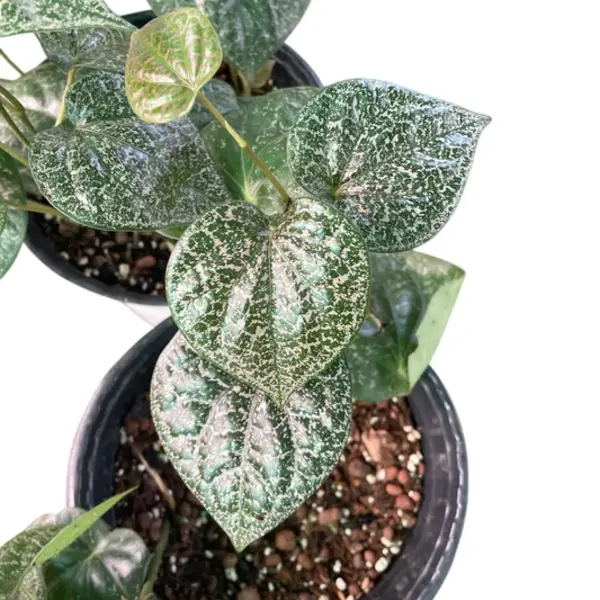
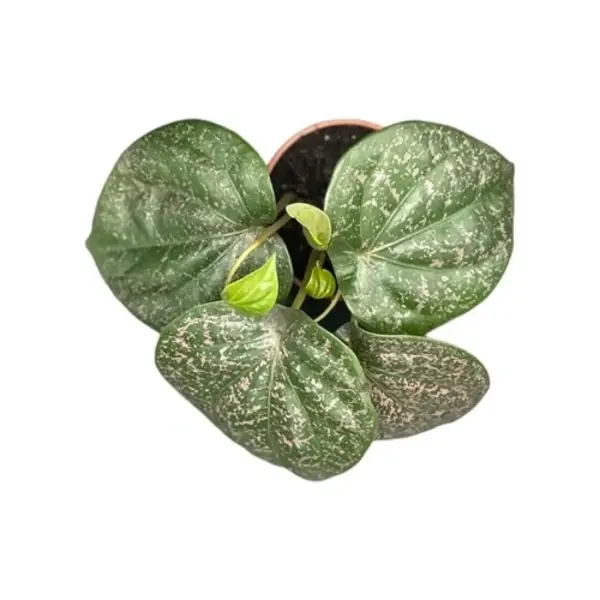
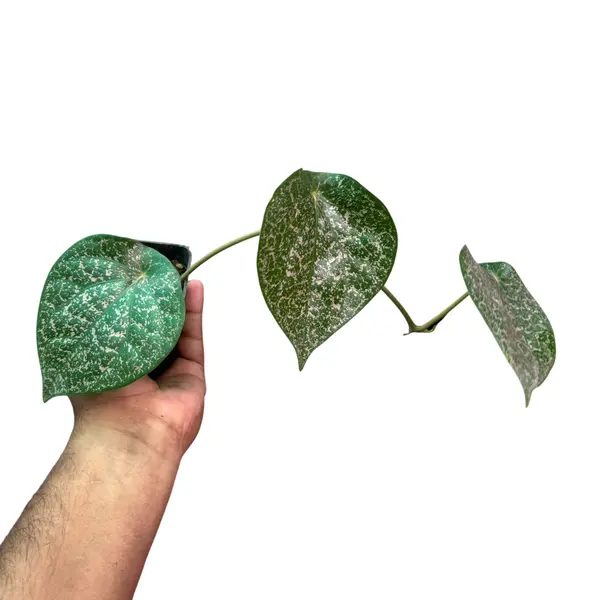
The Piper Mint Variegated – Rare is a rare and highly sought-after ornamental plant admired for its beautifully patterned foliage and tropical charm. Belonging to the Piperaceae family, this plant is related to black pepper and other exotic Piper species. What makes this variety special is its mint-green and creamy white variegation, which gives each leaf a unique, artistic appearance. Though rare, it is relatively easy to care for when its tropical preferences are met.
🌿 Piper Mint Variegated – Rare Care Guide :
🌱 Light Requirements
Light plays a crucial role in maintaining the plant’s variegation. Piper Mint Variegated thrives in bright, indirect light. Place it near an east- or north-facing window where it can receive soft morning light. If grown near a south or west window, use a sheer curtain to protect it from harsh midday sun.
Too much direct sunlight can burn the variegated portions, causing brown patches, while insufficient light may lead to fading variegation and leggy growth. A well-lit indoor space is ideal for keeping the leaves vibrant and healthy.
💧 Watering Needs
Watering should be done carefully, as this plant prefers even moisture but dislikes soggy soil. Allow the top 2–3 cm of soil to dry out before watering again. Overwatering can lead to root rot, a common issue in Piper plants.
During warmer months, watering is usually needed once every 5–7 days, while in cooler seasons it may reduce to once every 10–14 days. Always empty excess water from the saucer to avoid waterlogging.
💦 Humidity Requirements
As a tropical plant, Piper Mint Variegated loves high humidity. Ideally, humidity levels should be kept above 60%. In dry indoor environments, you can increase humidity by:
-
Using a humidifier
-
Placing the pot on a pebble tray with water
-
Grouping it with other plants
-
Occasional misting (avoid overdoing it)
Proper humidity helps prevent leaf curling, crispy edges, and slow growth.
🪴 Soil and Potting Mix
A well-draining, airy potting mix is essential. The roots need oxygen while still retaining some moisture. A suitable mix includes:
-
Coco peat or peat moss
-
Perlite or pumice
-
Orchid bark or coarse sand
-
A small amount of compost or worm castings
Ensure the pot has drainage holes. Repotting is usually needed every 12–18 months, or when roots start circling the pot.
🌡️ Temperature Preferences
This rare Piper prefers warm, stable temperatures between 18–28°C. Avoid cold drafts, air conditioners, or temperatures below 15°C, as cold stress can cause leaf drop and slowed growth.
🌿 Fertilization
Feed the plant during its active growing season (spring to early autumn) with a balanced liquid fertilizer diluted to half strength every 3–4 weeks. Over-fertilizing can damage roots and reduce variegation, so less is more.
During winter, fertilization can be reduced or stopped as the plant enters a slower growth phase.
✂️ Pruning and Training
Light pruning helps maintain a compact and bushy shape. Trim leggy stems and pinch growing tips to encourage branching. Piper Mint Variegated can also be trained to climb using a moss pole or trellis, mimicking its natural growth habit.
🐛 Pests and Common Problems
While generally hardy, this plant may occasionally attract mealybugs, spider mites, or aphids. Regularly inspect the undersides of leaves. If pests appear, treat early with neem oil or mild insecticidal soap.
Yellowing leaves often indicate overwatering, while pale leaves may signal insufficient light.
🌱 Propagation
Propagation is best done through stem cuttings. Choose a healthy stem with at least one node, place it in moist soil or water, and keep it warm and humid until roots develop.
🌟 Final Thoughts
The Piper Mint Variegated is a stunning rare plant that rewards attentive care with lush, eye-catching foliage. With the right balance of light, moisture, humidity, and warmth, it can thrive indoors and become a true collector’s highlight in your plant collection.
Related products
-
Wandering Jew Plant
Original price was: ₹305.00.₹149.00Current price is: ₹149.00.Add to cartSelling size: This plant comes in a 2.5″ Square pot The Wandering Jew Plant, also known as the Tradescantia! They’re such vibrant and easy-to-love plants. To keep yours thriving, here’s a rundown of Wandering Jew Plant care needs: Light: They absolutely love bright, indirect sunlight. Think of a spot near an east- or west-facing window …
-
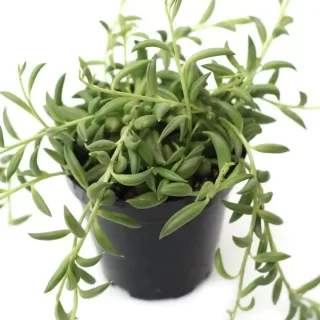
String of Bananas
Original price was: ₹450.00.₹249.00Current price is: ₹249.00.Add to cartSelling size: Mentioned in last Picture | Secure Packing The String of Bananas (Curio radicans or Senecio radicans) is a charming trailing succulent known for its long, cascading stems covered in plump, banana-shaped leaves. It’s a popular choice for hanging baskets and is generally easy to care for, especially for those who are new …
-
Black zz plant, Raven ZZ Plant
Price range: ₹99.00 through ₹499.00Select options This product has multiple variants. The options may be chosen on the product pageSelling size: Please Choose (Single – Bushy) | 2.5″-5” Pot Included | Secure Packing The Black ZZ Plant, or Raven ZZ Plant (Zamioculcas zamiifolia ‘Raven’), is a popular, exceptionally resilient houseplant known for its striking, nearly black foliage. It shares the easy-care nature of the standard green ZZ plant, making it perfect for beginners or …
-
Dischidia Ruscifolia (Million Hearts)
Price range: ₹199.00 through ₹499.00Select options This product has multiple variants. The options may be chosen on the product pagePlant Size: Single plant | 2.5″-6″ Pot Included The Dischidia Ruscifolia (Million Hearts), commonly known as the Million Hearts plant, is a delightful and easy-to-care-for trailing epiphyte. Its name comes from the abundance of small, heart-shaped leaves that densely cover its slender stems. As a member of the same family as Hoyas, its care …
-
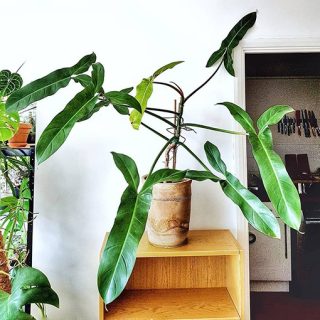
Philodendron Mexicanum
Original price was: ₹1,090.00.₹749.00Current price is: ₹749.00.Add to cartSelling size: Single Plant | Pot included The Philodendron mexicanum is a beautiful vining plant known for its long, arrow-shaped leaves with a striking deep maroon or reddish underside. As its name suggests, it is native to the tropical forests of Mexico. It’s a relatively easy-to-care-for plant, especially for those familiar with other vining philodendrons. …
-
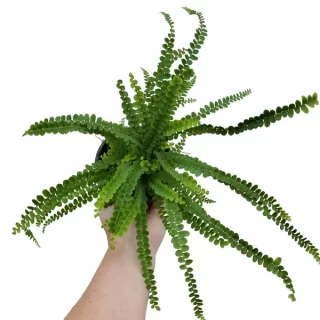
Lemon Button Fern Plant
Original price was: ₹539.00.₹179.00Current price is: ₹179.00.Add to cartSelling Size: Single plant | 2.5″ Pot Included The Lemon Button Fern (Nephrolepis cordifolia ‘Duffii’) is a popular and relatively easy-to-care-for fern. It’s known for its compact, arching fronds with small, button-like leaves and a subtle, lemony scent when you brush against them. Unlike some ferns, it’s a bit more forgiving of indoor conditions, making …
-
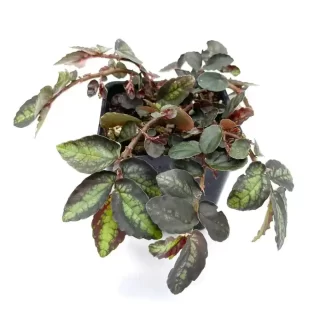
Pellionia repens var. pulchra
Original price was: ₹325.00.₹149.00Current price is: ₹149.00.Add to cartSelling size: Well rooted plant in a jiffy bag | Secure Packing The Pellionia repens var. pulchra, often called the Trailing Watermelon Begonia, is a beautiful and easy-to-care-for trailing plant. Its common name comes from the striking, patterned leaves that resemble the rind of a watermelon. Despite the name, it is not a true begonia …
-
Golden Pothos
Original price was: ₹355.00.₹99.00Current price is: ₹99.00.Add to cartSelling size : Well rooted plant | 2.5″ pot included The Golden Pothos (Epipremnum aureum), also known as Devil’s Ivy, is one of the most popular and easiest houseplants to care for, making it an excellent choice for beginners. It’s a vining plant with heart-shaped leaves that are a vibrant green, often with splashes or …



 If you need any assistance, I'm always here. Have you found what you were looking for?