

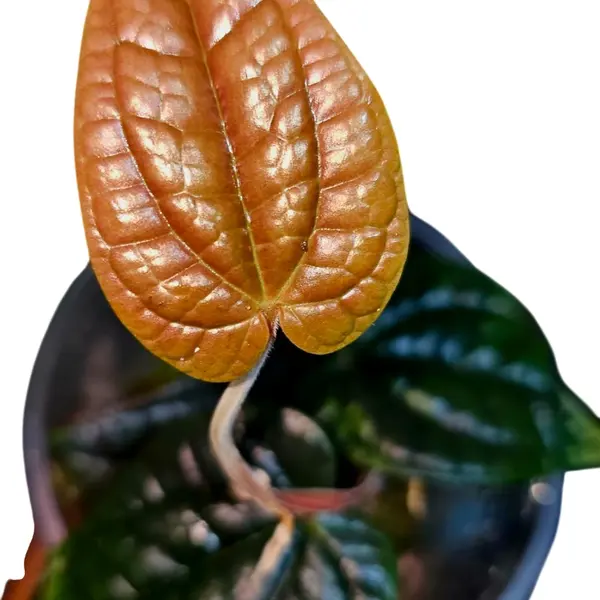
Piper luxurians
Original price was: ₹2,100.00.₹1,820.00Current price is: ₹1,820.00.
Related products
-
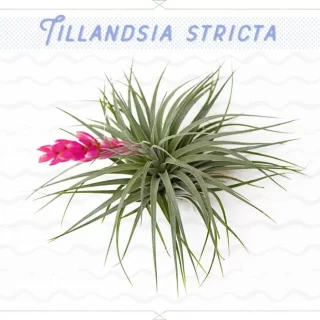
Tillandsia Stricta (Air plant)
Original price was: ₹400.00.₹199.00Current price is: ₹199.00.Add to cartSelling size: Single plant | Secure Packing The Tillandsia Stricta (Air plant) is one of the most popular and adaptable species of air plants, known for its soft, green-silver foliage and beautiful blooms. Like all air plants, it is epiphytic, meaning it absorbs all its water and nutrients through its leaves from the air, not …
-
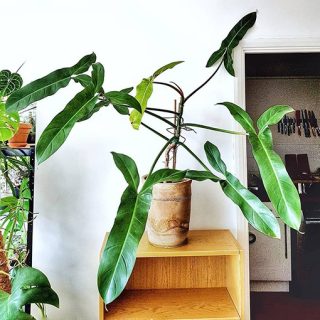
Philodendron Mexicanum
Original price was: ₹1,090.00.₹749.00Current price is: ₹749.00.Add to cartSelling size: Single Plant | Pot included The Philodendron mexicanum is a beautiful vining plant known for its long, arrow-shaped leaves with a striking deep maroon or reddish underside. As its name suggests, it is native to the tropical forests of Mexico. It’s a relatively easy-to-care-for plant, especially for those familiar with other vining philodendrons. …
-
Golden Pothos
Original price was: ₹355.00.₹99.00Current price is: ₹99.00.Add to cartSelling size : Well rooted plant | 2.5″ pot included The Golden Pothos (Epipremnum aureum), also known as Devil’s Ivy, is one of the most popular and easiest houseplants to care for, making it an excellent choice for beginners. It’s a vining plant with heart-shaped leaves that are a vibrant green, often with splashes or …
-
Spanish Moss Air Plant
Price range: ₹49.00 through ₹1,699.00Select options This product has multiple variants. The options may be chosen on the product pageSelling size: PLEASE CHOOSE Spanish Moss Air Plant – CARE INSTRUCTIONS Scientific name: Tillandsia usneoides Synonyms: Old man’s beard, Spanish Moss, French Hair, Spanish Beard Spanish Moss is a delicate silvery-grey air plant that is often used to hang in trees or as a gorgeous decor piece without the need for soil. Despite its name, Spanish Moss …
-
Calathiya Rattlesnake Plant
Price range: ₹125.00 through ₹549.00Select options This product has multiple variants. The options may be chosen on the product pageSelling size: Please Choose | Secure Packing | 2.5″-4″ Pot Included Calathiya rattlesnake is a plant easy to care for. However, there are a few measures and precautions you need to take to grow and maintain yours. Here’s a comprehensive guide for rattlesnake plant : Light Calathea Lancifolia prefers bright, indirect light. Like most variegated …
-
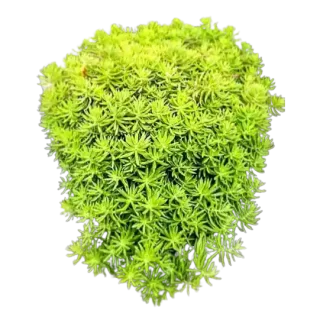
Golden Sedum Plant
Original price was: ₹549.00.₹349.00Current price is: ₹349.00.Add to cartSelling size: Well rooted plan | 2.5″ pot included The Golden Sedum (Sedum adolphii) is a popular succulent known for its bright, fleshy, evergreen leaves that can take on a beautiful golden-yellow or even reddish-pink tint in bright sun. It has a trailing or spreading growth habit, making it a great choice for hanging baskets, …
-
Black zz plant, Raven ZZ Plant
Price range: ₹99.00 through ₹499.00Select options This product has multiple variants. The options may be chosen on the product pageSelling size: Please Choose (Single – Bushy) | 2.5″-5” Pot Included | Secure Packing The Black ZZ Plant, or Raven ZZ Plant (Zamioculcas zamiifolia ‘Raven’), is a popular, exceptionally resilient houseplant known for its striking, nearly black foliage. It shares the easy-care nature of the standard green ZZ plant, making it perfect for beginners or …





 If you need any assistance, I'm always here. Have you found what you were looking for?