
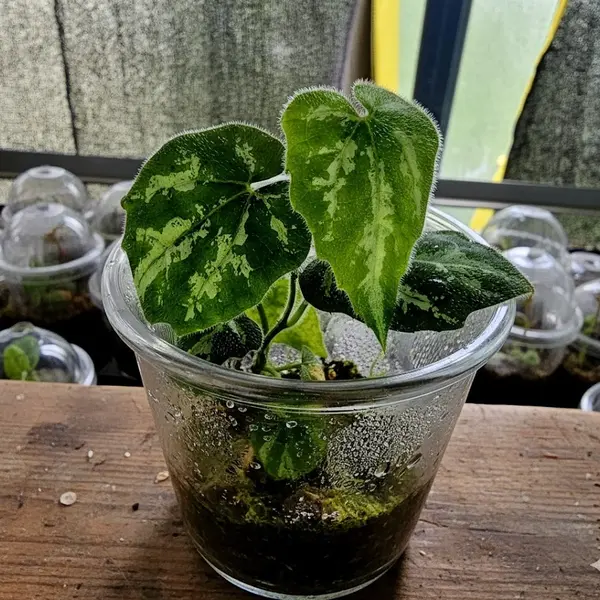
Piper green velvet
₹1.00
Out of stock
Email when stock available
Selling Size : Single Plant | Pot Included | Secure Packing
Here’s a detailed care guide for Piper green velvet 🌿 — a striking tropical plant prized for its deep green, velvety leaves and beautiful texture. It’s part of the Piperaceae family (same as black pepper), making it a collector’s favorite for terrariums and indoor tropical displays.
Here’s a detailed care guide for Piper green velvet 🌿:
🌤️ Light
-
Prefers bright, indirect light or filtered shade.
-
Avoid direct sun — it can burn or fade the velvety leaves.
-
Can tolerate lower light but will grow more slowly and produce smaller leaves.
💡 Ideal under LED grow lights or shaded bright indoor spots.
🌡️ Temperature
-
Optimal range: 20–30°C.
-
Keep away from cold air or temperatures below 15°C.
-
Consistent warmth helps maintain leaf color and texture.
🌡️ Avoid sudden temperature drops — the plant is sensitive to cold.
💧 Watering
-
Keep the soil consistently moist, but never soggy.
-
Water when the top 2–3 cm of soil feels slightly dry.
-
Ensure the pot has good drainage — root rot is common if overwatered.
-
In winter, reduce watering slightly while keeping humidity high.
🚫 Avoid letting the plant sit in standing water.
💨 Humidity
-
Loves high humidity (70–90%).
-
Mist regularly or use a humidifier or terrarium setup.
-
In low humidity, leaves may curl, crisp, or lose their velvety sheen.
🌫️ Perfect candidate for enclosed glass cabinets or high-humidity indoor gardens.
🌱 Soil
-
Needs loose, airy, and moisture-retentive soil.
Recommended mix:-
40% coco peat or sphagnum moss
-
30% perlite or pumice
-
20% orchid bark or coco chips
-
10% compost or leaf mold
-
💧 Good drainage + humidity retention = healthy roots.
🍽️ Fertilizer
-
Feed every 4–6 weeks during the growing season (spring to early autumn).
-
Use a balanced liquid fertilizer (10:10:10) diluted to ¼–½ strength.
-
Do not fertilize in winter or when growth slows.
🌿 Over-fertilizing can cause root burn and fade leaf texture.
🪴 Repotting
-
Repot every 1–2 years or when roots fill the pot.
-
Choose a slightly larger pot with drainage holes.
-
Refresh the soil mix during repotting for better aeration and nutrient balance.
🌿 Growth Habit & Support
-
A climbing or creeping epiphyte.
-
Provide a moss pole, wood branch, or rough surface for aerial roots to grip.
-
Can also trail beautifully from hanging pots.
🌸 Propagation
-
Easily propagated by stem cuttings:
-
Take a cutting with 2–3 nodes.
-
Place in moist sphagnum moss or water until roots form.
-
Maintain high humidity and indirect light for faster rooting.
-
⚠️ Common Issues
| Problem | Cause | Solution |
|---|---|---|
| Yellow leaves | Overwatering | Let topsoil dry slightly before watering |
| Curling leaves | Low humidity or cold | Increase humidity, move to warmer area |
| Leaf spots | Water on leaves or poor air circulation | Water at soil level, improve airflow |
| Dropping leaves | Temperature shock | Keep environment stable |
🐾 Toxicity
-
Mildly toxic if ingested — keep away from pets and children.
🌿 Ideal Setup
-
Best grown in:
-
Terrariums or glass cabinets for consistent humidity
-
Bright indoor corners with filtered light
-
Mounted on bark or grown with a moss pole for natural climbing form
-
✨ With proper humidity and warmth, the leaves will remain lush, velvety, and vibrant green year-round.
You must be logged in to post a review.
Related products
-
Black zz plant, Raven ZZ Plant
Price range: ₹99.00 through ₹499.00Select options This product has multiple variants. The options may be chosen on the product pageSelling size: Please Choose (Single – Bushy) | 2.5″-5” Pot Included | Secure Packing The Black ZZ Plant, or Raven ZZ Plant (Zamioculcas zamiifolia ‘Raven’), is a popular, exceptionally resilient houseplant known for its striking, nearly black foliage. It shares the easy-care nature of the standard green ZZ plant, making it perfect for beginners or …
-
Heliconia Variegated – Super Rare
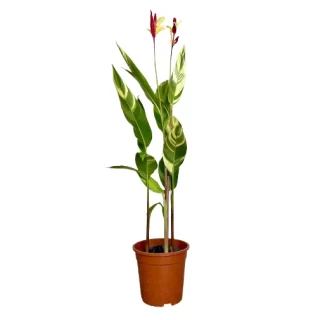
Original price was: ₹2,599.00.₹1,099.00Current price is: ₹1,099.00.Add to cartPlant size: Single plant | Pot Included | Free shipping The Variegated Heliconia (often a cultivar of Heliconia psittacorum, like ‘Lady Di’ or ‘Golden Torch’) is a striking tropical plant known for its banana-like leaves splashed with stripes of cream, yellow, or white. It is a demanding plant, requiring specific tropical conditions to thrive, especially …
-
Golden Sedum Plant
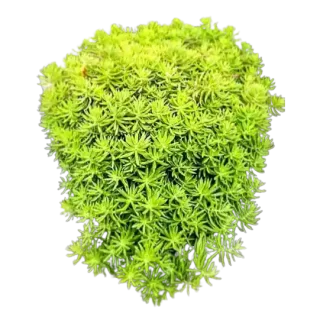
Original price was: ₹549.00.₹349.00Current price is: ₹349.00.Add to cartSelling size: Well rooted plan | 2.5″ pot included The Golden Sedum (Sedum adolphii) is a popular succulent known for its bright, fleshy, evergreen leaves that can take on a beautiful golden-yellow or even reddish-pink tint in bright sun. It has a trailing or spreading growth habit, making it a great choice for hanging baskets, …
-
Lemon Button Fern Plant
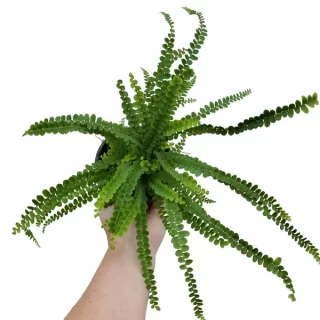
Original price was: ₹539.00.₹179.00Current price is: ₹179.00.Add to cartSelling Size: Single plant | 2.5″ Pot Included The Lemon Button Fern (Nephrolepis cordifolia ‘Duffii’) is a popular and relatively easy-to-care-for fern. It’s known for its compact, arching fronds with small, button-like leaves and a subtle, lemony scent when you brush against them. Unlike some ferns, it’s a bit more forgiving of indoor conditions, making …
-
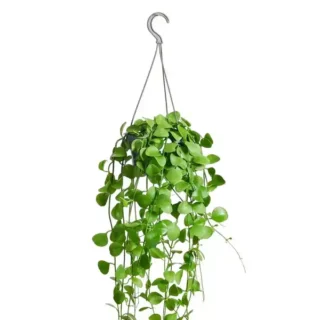
Dischidia Oiantha plant
Price range: ₹99.00 through ₹599.00Select options This product has multiple variants. The options may be chosen on the product pagePlant Size: Single plant | Secure Packing The Dischidia oiantha, often referred to as a “Hoya cousin,” is a charming, easy-to-care-for epiphyte with trailing vines and small, oval, succulent-like leaves. It’s a great choice for hanging baskets or for adding a touch of whimsy to a shelf. Here is a comprehensive guide to caring for …
-
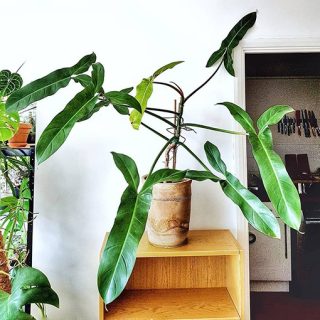
Philodendron Mexicanum
Original price was: ₹1,090.00.₹749.00Current price is: ₹749.00.Add to cartSelling size: Single Plant | Pot included The Philodendron mexicanum is a beautiful vining plant known for its long, arrow-shaped leaves with a striking deep maroon or reddish underside. As its name suggests, it is native to the tropical forests of Mexico. It’s a relatively easy-to-care-for plant, especially for those familiar with other vining philodendrons. …
-
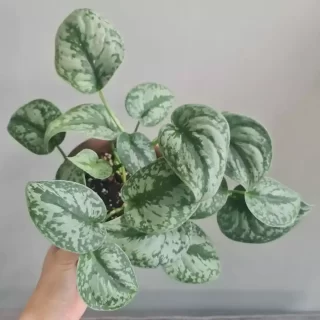
Scindapsus Pictus Exotica
Original price was: ₹380.00.₹99.00Current price is: ₹99.00.Add to cartSelling size: Single Plant | 2.5″ Pot Included The Scindapsus Pictus Exotica, also known as the silver pothos, is a houseplant with large, dark green leaves that have silver spots and mottling. Here’s a guide to caring for your Scindapsus pictus Exotica plant: Light: Prefers bright, indirect light. An east or west-facing window that’s about …
-
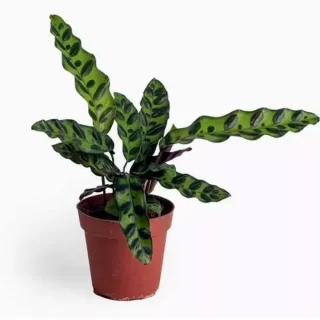
Calathiya Rattlesnake Plant
Price range: ₹125.00 through ₹549.00Select options This product has multiple variants. The options may be chosen on the product pageSelling size: Please Choose | Secure Packing | 2.5″-4″ Pot Included Calathiya rattlesnake is a plant easy to care for. However, there are a few measures and precautions you need to take to grow and maintain yours. Here’s a comprehensive guide for rattlesnake plant : Light Calathea Lancifolia prefers bright, indirect light. Like most variegated …

 If you need any assistance, I'm always here. Have you found what you were looking for?
Reviews
There are no reviews yet.