
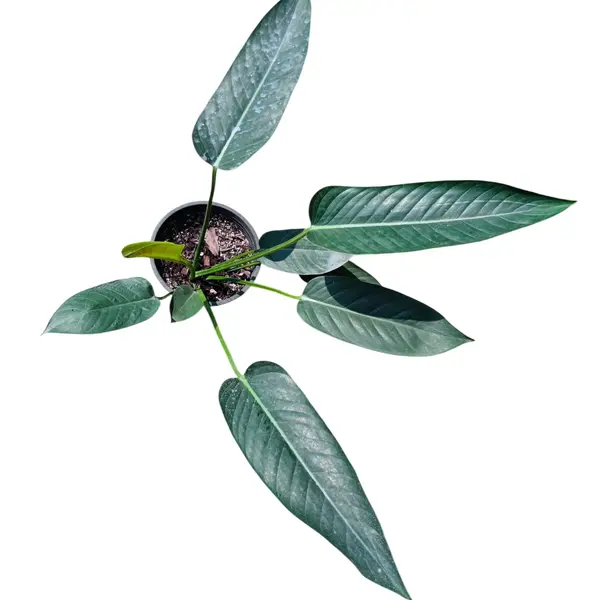
Philodendron David Soni – Rare
Original price was: ₹7,899.00.₹5,499.00Current price is: ₹5,499.00.
Selling Size : Single Plant | Pot Included | Secure Packing | Free Delivery
Philodendron David Soni – Rare is a rare and highly desirable hybrid Philodendron prized for its large, elongated leaves, bold venation, and elegant tropical presence. Named after the renowned aroid collector David Soni, this plant has quickly become a favorite among rare plant enthusiasts. Though it looks exotic and demanding, Philodendron David Soni is relatively easy to care for when its basic tropical needs are met.
Philodendron David Soni – Rare Plant Care Guide:
Light Requirements
Philodendron David Soni thrives best in bright, indirect light. Place it near an east- or north-facing window where it can receive filtered sunlight throughout the day. Too much direct sun can scorch the leaves, causing brown patches or faded coloration, while very low light can slow growth and reduce leaf size. If growing indoors with limited natural light, a grow light for 10–12 hours daily can help maintain healthy growth.
Watering
Watering is one of the most important aspects of caring for this rare Philodendron. Water the plant only when the top 2–3 cm of the soil feels dry. Overwatering can lead to root rot, while underwatering may cause drooping or curling leaves. Always use pots with good drainage and never allow the plant to sit in standing water. During warmer months, watering frequency will increase, while in winter, watering should be reduced.
Soil and Potting Mix
A well-draining, airy aroid mix is essential for Philodendron David Soni. The ideal mix should include components such as coco peat or peat moss, perlite, orchid bark, and a small amount of compost or worm castings. This combination ensures moisture retention without waterlogging and allows roots to breathe. Repot the plant every 1–2 years, or when roots begin to outgrow the container.
Temperature and Humidity
Being a tropical plant, Philodendron David Soni prefers warm temperatures between 18–30°C. It should be protected from cold drafts, air conditioners, and sudden temperature drops. High humidity plays a key role in keeping the leaves healthy and lush. Aim for 60–80% humidity. Using a humidifier, misting occasionally, or placing the pot on a pebble tray with water can significantly improve humidity levels.
Fertilization
Feed the plant with a balanced liquid fertilizer (such as 20-20-20 or a mild organic fertilizer) once every 2–4 weeks during the growing season (spring and summer). Reduce feeding during autumn and winter, as the plant’s growth slows down. Over-fertilization can cause leaf burn and salt buildup in the soil, so always dilute fertilizer to half strength.
Support and Growth Habit
Philodendron David Soni is a climbing Philodendron and benefits greatly from support. Providing a moss pole or coir pole encourages larger leaves and healthier vertical growth. As the plant matures, supported growth enhances leaf size, shape, and overall visual appeal.
Pruning and Maintenance
Prune only when necessary to remove yellowing, damaged, or diseased leaves. Use clean, sterilized scissors to prevent infection. Regularly wipe the leaves with a damp cloth to remove dust, which helps improve photosynthesis and keeps the foliage looking glossy and healthy.
Pests and Common Issues
Common pests include spider mites, mealybugs, and aphids. Regular inspection is crucial, especially on the undersides of leaves. Treat infestations early using neem oil or insecticidal soap. Yellowing leaves often indicate overwatering, while brown edges may point to low humidity or inconsistent watering.
Toxicity
Like most Philodendrons, David Soni is toxic to pets and humans if ingested, due to calcium oxalate crystals. Keep it out of reach of children and animals.
With proper care, Philodendron ‘David Soni’ will reward you with stunning foliage and steady growth, making it a true statement plant in any rare plant collection. 🌱
Related products
-
Philodendron ‘Prince of Orange’
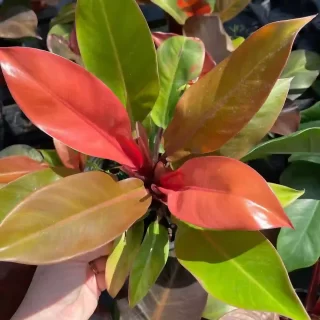
Price range: ₹199.00 through ₹620.00Select options This product has multiple variants. The options may be chosen on the product pageSelling Size : Single Plant | Pot Included | Secure Packing The Philodendron ‘Prince of Orange’ is a stunning and popular hybrid known for its vibrant, ever-changing leaf colors. New leaves emerge as a brilliant orange or coppery color, and as they mature, they transition to a lime green, then a deep, glossy green. It …
-
Philodendron Moonshine
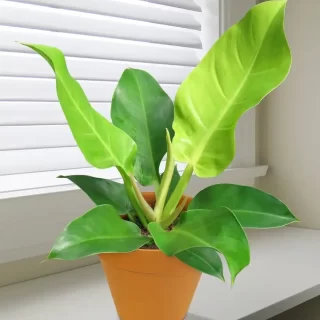
Original price was: ₹1,250.00.₹249.00Current price is: ₹249.00.Add to cartSelling size: Single plant | Pot included | Secure Packing The Philodendron Moonshine (often also called ‘Moonlight’) is a popular hybrid known for its vibrant, almost glowing, chartreuse-colored leaves. It has an upright, self-heading growth habit, so unlike many vining philodendrons, it doesn’t need a trellis or pole. Here is a comprehensive guide to caring …
-
Golden Sedum Plant
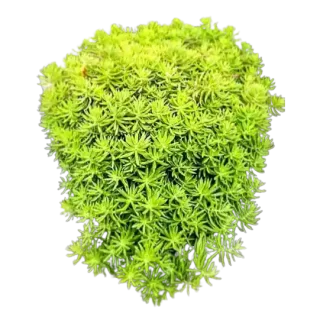
Original price was: ₹549.00.₹349.00Current price is: ₹349.00.Add to cartSelling size: Well rooted plan | 2.5″ pot included The Golden Sedum (Sedum adolphii) is a popular succulent known for its bright, fleshy, evergreen leaves that can take on a beautiful golden-yellow or even reddish-pink tint in bright sun. It has a trailing or spreading growth habit, making it a great choice for hanging baskets, …
-
Dischidia Ruscifolia (Million Hearts)
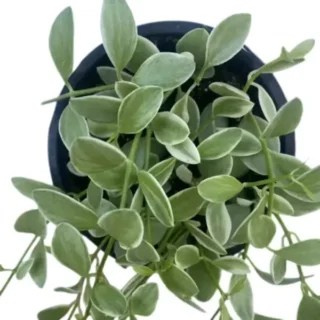
Price range: ₹199.00 through ₹499.00Select options This product has multiple variants. The options may be chosen on the product pagePlant Size: Single plant | 2.5″-6″ Pot Included The Dischidia Ruscifolia (Million Hearts), commonly known as the Million Hearts plant, is a delightful and easy-to-care-for trailing epiphyte. Its name comes from the abundance of small, heart-shaped leaves that densely cover its slender stems. As a member of the same family as Hoyas, its care …
-
Philodendron Mican plant
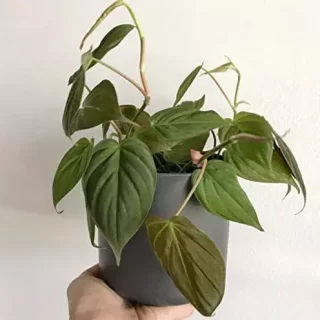
Original price was: ₹650.00.₹99.00Current price is: ₹99.00.Add to cartSelling size: A well rooted plant | 2.5″ Pot Included The Philodendron Micans (Philodendron hederaceum ‘Micans’), also known as the Velvet-Leaf Philodendron, is a popular, easy-care trailing or climbing houseplant prized for its unique, velvety, heart-shaped leaves that emerge a beautiful chartreuse/pink and mature to a deep, iridescent, bronze-green with hints of purple. Here is …
-
Spanish Moss Air Plant
Price range: ₹49.00 through ₹1,699.00Select options This product has multiple variants. The options may be chosen on the product pageSelling size: PLEASE CHOOSE Spanish Moss Air Plant – CARE INSTRUCTIONS Scientific name: Tillandsia usneoides Synonyms: Old man’s beard, Spanish Moss, French Hair, Spanish Beard Spanish Moss is a delicate silvery-grey air plant that is often used to hang in trees or as a gorgeous decor piece without the need for soil. Despite its name, Spanish Moss …
-
Calathiya Rattlesnake Plant
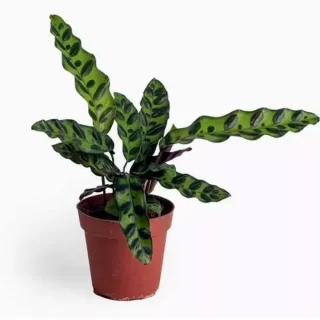
Price range: ₹125.00 through ₹549.00Select options This product has multiple variants. The options may be chosen on the product pageSelling size: Please Choose | Secure Packing | 2.5″-4″ Pot Included Calathiya rattlesnake is a plant easy to care for. However, there are a few measures and precautions you need to take to grow and maintain yours. Here’s a comprehensive guide for rattlesnake plant : Light Calathea Lancifolia prefers bright, indirect light. Like most variegated …


 If you need any assistance, I'm always here. Have you found what you were looking for?