

Mistletoe Fig (Ficus Deltoidea Gold)
Original price was: ₹1,299.00.₹699.00Current price is: ₹699.00.
Out of stock
Email when stock available
Selling Size : Single Plant | Pot Included | Secure Packing
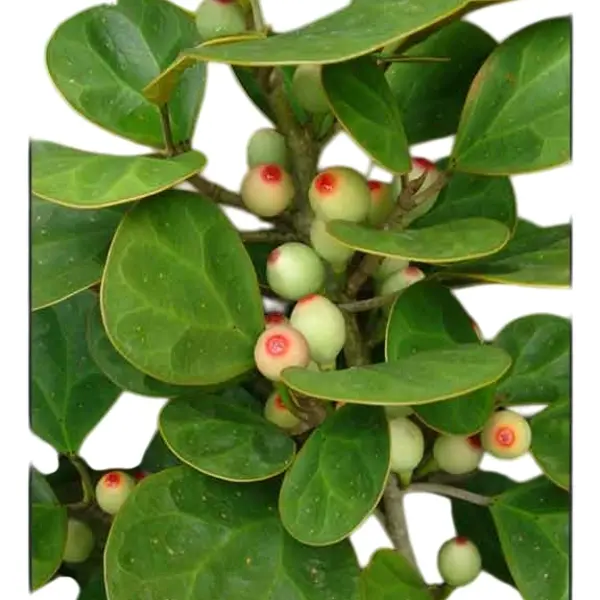
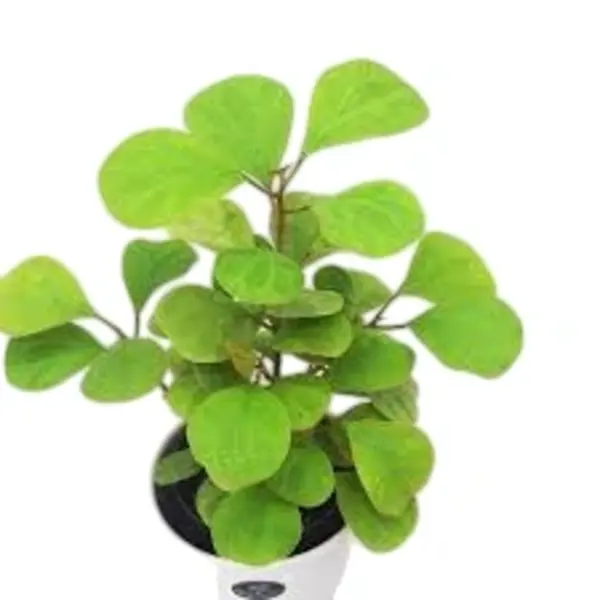
The Mistletoe Fig (Ficus Deltoidea Gold), also known as the Delta Fig, is a beautiful and relatively low-maintenance houseplant that is prized for its unique, glossy leaves and small, non-edible figs that it produces year-round. The ‘Gold’ variety is particularly sought after for its striking leaves that are dark green on top and have a distinctive golden-yellow underside, often with triangular black glands.
Here is a comprehensive guide to caring for your Mistletoe Fig (Ficus Deltoidea Gold):
1. Light
- Bright, Indirect Light: This plant thrives in bright, indirect sunlight. A spot near a south, east, or west-facing window is ideal.
- Avoid Direct Sun: While some sources suggest it can tolerate full sun, intense, direct sunlight can scorch the delicate leaves. Filtered light is best to prevent leaf burn.
- Low Light Tolerance: Ficus deltoidea can tolerate lower light conditions, but its growth may slow, and it may not produce as many figs.
2. Watering
- Consistent Moisture, Not Soggy: The Mistletoe Fig prefers consistently moist soil, but it’s crucial to avoid overwatering, as this can lead to root rot.
- Check the Soil: Water the plant when the top inch or two of the soil feels dry to the touch.
- Thorough Watering: When you water, do so thoroughly until water drains from the bottom of the pot.
- Reduce in Winter: During the fall and winter, when the plant’s growth slows, reduce the frequency of watering.
3. Humidity and Temperature
- Humidity is Key: As a tropical plant, the Mistletoe Fig loves a humid environment.
- Increase Humidity: To increase humidity, you can:
- Mist the leaves regularly.
- Place the pot on a tray filled with pebbles and water, ensuring the bottom of the pot is not in the water.
- Use a humidifier in the room.
- Ideal Temperature: This plant does best in a warm environment, with temperatures between 65°F and 85°F (18°C to 29°C).
- Avoid Drafts: Like other Ficus plants, the Mistletoe Fig is sensitive to sudden changes in temperature and cold drafts, which can cause leaf drop.
4. Soil and Potting
- Well-Draining Soil: Use a well-draining, loamy potting mix. A good mix can include a combination of potting soil, perlite, and peat moss to ensure proper drainage and aeration.
- Repotting: The Mistletoe Fig is known to be a slow grower and prefers to be slightly root-bound. Repot only when necessary, typically every 2-3 years in the spring. Choose a new pot that is only one size larger than the old one.
5. Fertilizing
- Growing Season: During the spring and summer, feed your plant with a balanced liquid fertilizer (like a 10-10-10) at half the recommended strength.
- Frequency: Fertilize once a month during the growing season.
- Dormancy: Do not fertilize in the fall and winter when the plant’s growth has slowed.
6. Pruning and Propagation
- Pruning: You can prune your Mistletoe Fig to maintain its shape and size, and to encourage a bushier appearance. It responds well to heavy pruning, and can even be used as a bonsai specimen.
- Propagation: The most common and effective way to propagate this plant is through stem cuttings. Take a cutting with a few leaves, dip the cut end in a rooting hormone, and place it in a well-draining soil mix. Keep the cutting in a warm, humid environment until roots develop.
Common Problems
- Leaf Drop: This is the most common issue and is usually a sign of stress. Causes can include:
- Sudden changes in light or temperature.
- Overwatering or underwatering.
- Being moved to a new location.
- Pests: Watch out for common pests like spider mites, mealybugs, and scale insects. Inspect the leaves regularly and treat any infestations with an insecticidal soap or neem oil.
You must be logged in to post a review.
Related products
-
Columbian Peperomia (Galaxy pepperomia)
Original price was: ₹345.00.₹183.65Current price is: ₹183.65.Read moreSelling size:Well rooted plant in a jiffy bag The Columbian Peperomia (Peperomia metallica var. columbiana) is a visually striking and relatively low-maintenance houseplant. It is also sometimes sold as “Galaxy Peperomia,” a name that hints at its unique foliage. This plant is known for its beautiful, semi-succulent leaves that have a dark green or bronze-purple …
-
Dischidia Oiantha plant
Price range: ₹99.00 through ₹599.00Select options This product has multiple variants. The options may be chosen on the product pagePlant Size: Single plant | Secure Packing The Dischidia oiantha, often referred to as a “Hoya cousin,” is a charming, easy-to-care-for epiphyte with trailing vines and small, oval, succulent-like leaves. It’s a great choice for hanging baskets or for adding a touch of whimsy to a shelf. Here is a comprehensive guide to caring for …
-
Pellionia repens var. pulchra
Original price was: ₹325.00.₹149.00Current price is: ₹149.00.Add to cartSelling size: Well rooted plant in a jiffy bag | Secure Packing The Pellionia repens var. pulchra, often called the Trailing Watermelon Begonia, is a beautiful and easy-to-care-for trailing plant. Its common name comes from the striking, patterned leaves that resemble the rind of a watermelon. Despite the name, it is not a true begonia …
-
Scindapsus Pictus Exotica
Original price was: ₹380.00.₹99.00Current price is: ₹99.00.Add to cartSelling size: Single Plant | 2.5″ Pot Included The Scindapsus Pictus Exotica, also known as the silver pothos, is a houseplant with large, dark green leaves that have silver spots and mottling. Here’s a guide to caring for your Scindapsus pictus Exotica plant: Light: Prefers bright, indirect light. An east or west-facing window that’s about …
-
Spanish Moss Air Plant
Price range: ₹49.00 through ₹1,699.00Select options This product has multiple variants. The options may be chosen on the product pageSelling size: PLEASE CHOOSE Spanish Moss Air Plant – CARE INSTRUCTIONS Scientific name: Tillandsia usneoides Synonyms: Old man’s beard, Spanish Moss, French Hair, Spanish Beard Spanish Moss is a delicate silvery-grey air plant that is often used to hang in trees or as a gorgeous decor piece without the need for soil. Despite its name, Spanish Moss …
-
Chlorophytum Spider Live Plant
Original price was: ₹249.00.₹99.00Current price is: ₹99.00.Add to cartSelling size: Well rooted Single plant | 2.5″ Pot included Chlorophytum Spider, also the Spider Plant is an impressive houseplant which is the perfect plant for any beginner. A NASA certified air purifier, its long, green foliage with white variegations look good in both hanging planters and as desktop setups. In favourable conditions, it blooms …
-
String Of Nickels (Dischidia nummularia)
Price range: ₹99.00 through ₹599.00Select options This product has multiple variants. The options may be chosen on the product pageSelling size: Well rooted plant in a Jiffy bag The Dischidia nummularia, commonly known as the String of Nickels or Button Orchid, is a delightful and easy-to-care-for trailing epiphyte. Its common name comes from its small, round, coin-shaped leaves that densely cover its long, slender stems. As a relative of the Hoya, it shares a similar …
-
Philodendron Xanadu
Original price was: ₹450.00.₹199.00Current price is: ₹199.00.Add to cartSelling size:Well rooted plant | 2.5″ Pot Included | Secure Packing The Philodendron Xanadu, now officially classified as Thaumatophyllum xanadu, is a fantastic and relatively easy-to-care-for houseplant. It’s known for its compact, bushy growth habit and deeply lobed, glossy green leaves that give it a sophisticated, tropical look. Here is a complete guide to caring …








 If you need any assistance, I'm always here. Have you found what you were looking for?
Reviews
There are no reviews yet.