
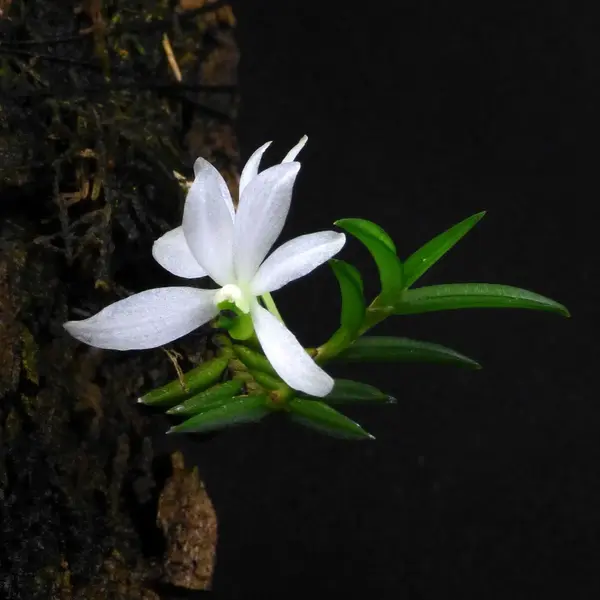
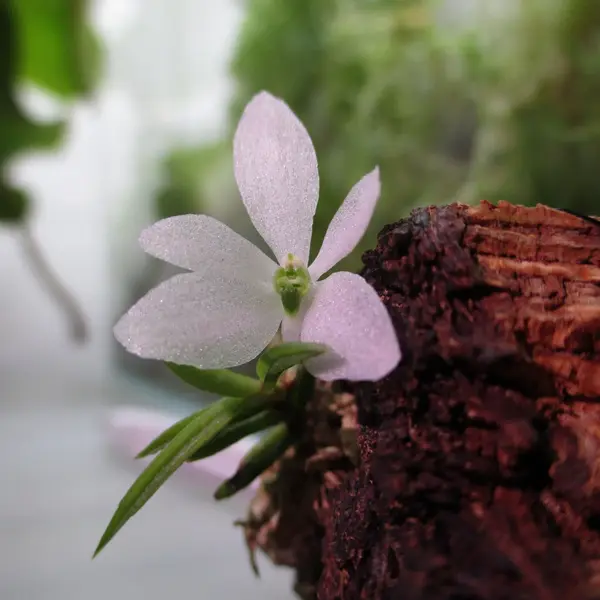
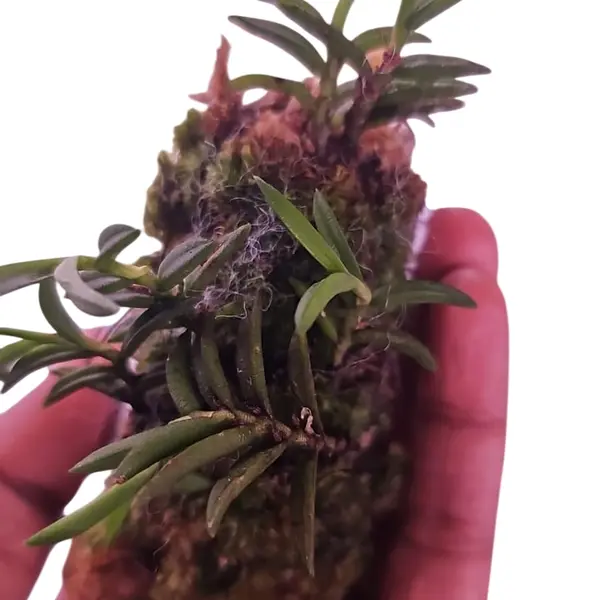
Miniature Orchid Ceratochilus
₹1.00
Out of stock
Email when stock available
Selling Size : Single Plant | Secure Packing | Free Delivery
Miniature Orchid Ceratochilus is a charming genus of miniature epiphytic orchids, best known for its tiny size, creeping growth habit, and delicate, intricate flowers. Native to Southeast Asia, including Thailand, Malaysia, Indonesia, and surrounding regions, Ceratochilus species grow in warm, humid forests where they cling to tree bark and mossy branches. Because of their small size and fine roots, these orchids are best suited for experienced growers or terrarium setups. Below is a detailed 600-word care guide to help you grow Miniature Orchid Ceratochilus successfully.
Miniature Orchid Ceratochilus Care Guide :
Natural Habitat & Growth Habit
In nature, Ceratochilus orchids grow epiphytically in lowland to mid-elevation rainforests. They are found attached to tree trunks, twigs, and moss-covered branches, often in shaded, constantly humid conditions. The plant grows via creeping rhizomes that produce small pseudobulbs or leaf-bearing stems close to the surface. Due to their miniature size, Ceratochilus orchids spread slowly but form beautiful mats over time.
Light Requirements
Ceratochilus prefers low to medium, filtered light.
-
Soft, indirect light is ideal
-
Avoid direct sunlight, which can quickly dehydrate and burn the tiny leaves
An east-facing window with filtered light or low-intensity LED grow lights works well indoors. Leaves should appear fresh green. Yellowing indicates too much light, while dark, soft growth suggests insufficient light.
Temperature & Climate
These orchids thrive in warm to intermediate temperatures.
-
Day: 22–30°C
-
Night: 18–24°C
Ceratochilus does not require a dormancy period and grows year-round if conditions remain stable. Avoid sudden temperature drops and protect the plant from cold drafts or excessive heat.
Watering Schedule
Consistent moisture is critical due to the plant’s fine roots and small size.
-
Keep the roots constantly moist but not waterlogged
-
Water lightly and frequently, allowing slight surface drying between waterings
-
In warm weather, daily misting or watering may be required
-
In cooler months, reduce frequency slightly but never allow complete dryness
Always use rainwater, RO water, or filtered water, as Ceratochilus is highly sensitive to mineral salts.
Humidity & Air Circulation
High humidity is essential for Ceratochilus.
-
Ideal humidity: 70–90%
-
Low humidity causes rapid dehydration and root loss
Best grown in:
-
Terrariums
-
Orchid cabinets
-
Enclosed display cases
Despite high humidity needs, ensure gentle air circulation to prevent fungal and bacterial problems. Small fans or passive ventilation work well.
Mounting & Growing Medium
Ceratochilus orchids are best grown mounted, as their roots require excellent airflow.
Recommended mounts:
-
Cork bark
-
Tree fern slabs
-
Hardwood pieces
Wrap a thin layer of live or dried sphagnum moss around the roots. Avoid thick moss layers that stay soggy. Potting is generally not recommended due to the risk of rot.
Fertilizing
Miniature orchids require very light feeding.
-
Use a very diluted orchid fertilizer (⅛–¼ strength)
-
Apply once every 3–4 weeks during active growth
-
Flush mounts occasionally with plain water
Organic foliar feeds or seaweed extract at very low concentration work well.
Flowering
Ceratochilus produces small but fascinating flowers, often with horn-like or tubular structures, giving the genus its name. Flowers may appear singly or in small clusters and usually bloom during warm, humid periods. While tiny, the blooms are intricate and highly rewarding for collectors.
Common Problems
-
Rapid dehydration: Low humidity or infrequent watering
-
Root rot: Overwatering with poor airflow
-
Leaf burn: Excess light
Pests are rare due to the plant’s size, but fungus gnats or mites may appear in stagnant conditions.
Conclusion
Miniature Orchid Ceratochilus is a true gem for orchid enthusiasts who enjoy growing delicate, specialized species. With low light, high humidity, warm temperatures, and careful watering, this miniature orchid can thrive and slowly form attractive mats of growth. Its tiny yet complex flowers make it a prized addition to terrariums and advanced orchid collections.
Related products
-
Dischidia Ruscifolia (Million Hearts)
Price range: ₹199.00 through ₹499.00Select options This product has multiple variants. The options may be chosen on the product pagePlant Size: Single plant | 2.5″-6″ Pot Included The Dischidia Ruscifolia (Million Hearts), commonly known as the Million Hearts plant, is a delightful and easy-to-care-for trailing epiphyte. Its name comes from the abundance of small, heart-shaped leaves that densely cover its slender stems. As a member of the same family as Hoyas, its care …
-
Philodendron Burle Marx Plant
Original price was: ₹485.00.₹149.00Current price is: ₹149.00.Add to cartSelling size: Single plant | Pot Included | Secure Packing The Philodendron Burle Marx is a fantastic and relatively easy-to-care-for plant, known for its glossy, spade-shaped leaves and dense, clumping growth. It’s often recommended as a great choice for beginner houseplant owners. Here is a comprehensive care guide for your Philodendron Burle Marx: Light …
-
Pilea Repens, Black Panamiga
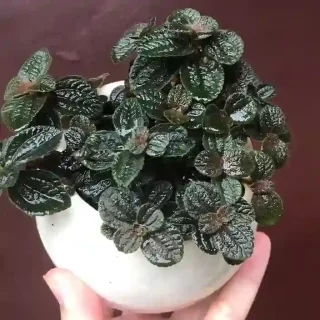
Original price was: ₹280.00.₹149.00Current price is: ₹149.00.Add to cartSize: Single Plant | Jiffy Bag Caring for a Pilea Ripens (also known as Black Panamiga) involves understanding its specific needs to ensure it thrives. Here’s a breakdown of Pilea Repens, Black Panamiga key care aspects: Key Care Points: Light: Pilea repens prefers bright, indirect sunlight. Direct sunlight can scorch its leaves. Rotating the plant …
-
Lemon Button Fern Plant
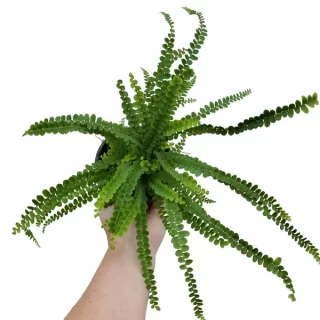
Original price was: ₹539.00.₹179.00Current price is: ₹179.00.Add to cartSelling Size: Single plant | 2.5″ Pot Included The Lemon Button Fern (Nephrolepis cordifolia ‘Duffii’) is a popular and relatively easy-to-care-for fern. It’s known for its compact, arching fronds with small, button-like leaves and a subtle, lemony scent when you brush against them. Unlike some ferns, it’s a bit more forgiving of indoor conditions, making …
-
Columbian Peperomia (Galaxy pepperomia)
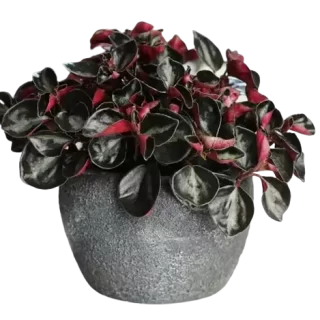
Original price was: ₹345.00.₹183.65Current price is: ₹183.65.Read moreSelling size:Well rooted plant in a jiffy bag The Columbian Peperomia (Peperomia metallica var. columbiana) is a visually striking and relatively low-maintenance houseplant. It is also sometimes sold as “Galaxy Peperomia,” a name that hints at its unique foliage. This plant is known for its beautiful, semi-succulent leaves that have a dark green or bronze-purple …
-
Philodendron Xanadu
Original price was: ₹450.00.₹199.00Current price is: ₹199.00.Add to cartSelling size:Well rooted plant | 2.5″ Pot Included | Secure Packing The Philodendron Xanadu, now officially classified as Thaumatophyllum xanadu, is a fantastic and relatively easy-to-care-for houseplant. It’s known for its compact, bushy growth habit and deeply lobed, glossy green leaves that give it a sophisticated, tropical look. Here is a complete guide to caring …
-
Philodendron ‘Prince of Orange’
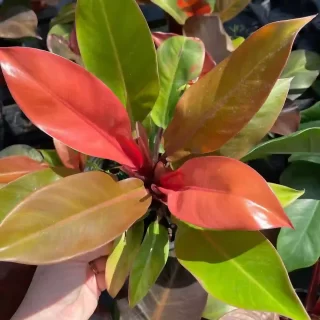
Price range: ₹199.00 through ₹620.00Select options This product has multiple variants. The options may be chosen on the product pageSelling Size : Single Plant | Pot Included | Secure Packing The Philodendron ‘Prince of Orange’ is a stunning and popular hybrid known for its vibrant, ever-changing leaf colors. New leaves emerge as a brilliant orange or coppery color, and as they mature, they transition to a lime green, then a deep, glossy green. It …



 If you need any assistance, I'm always here. Have you found what you were looking for?