
Leca Clay Balls
Original price was: ₹199.00.₹49.00Current price is: ₹49.00.
Leca Clay Balls – 100 grams|Secure packing
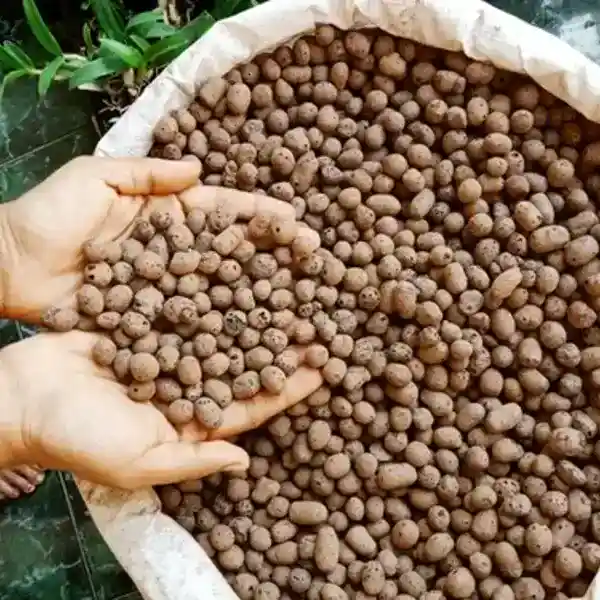
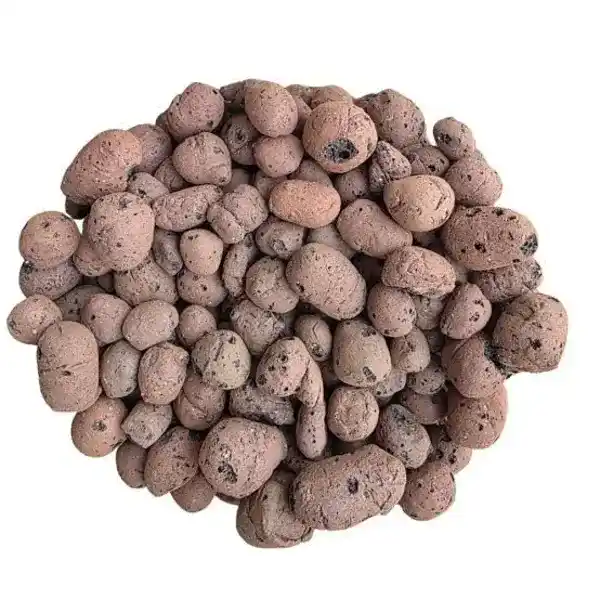
Leca Clay Balls, which stands for Lightweight Expanded Clay Aggregate, is a porous, soilless medium used for growing plants.
Here’s how to care for plants in LECA clay balls:
1. Preparation and Setup:
- Rinse and Soak: Before using LECA for the first time, rinse the balls thoroughly to remove dust and debris. Then, soak them in clean water for at least 24 hours to allow them to absorb moisture. Some people do a second or third soak to remove more impurities.
- Clean the Plant: If you are transitioning a plant from soil to LECA, carefully remove all soil from the roots. Any remaining soil can cause root rot in the wet LECA environment.
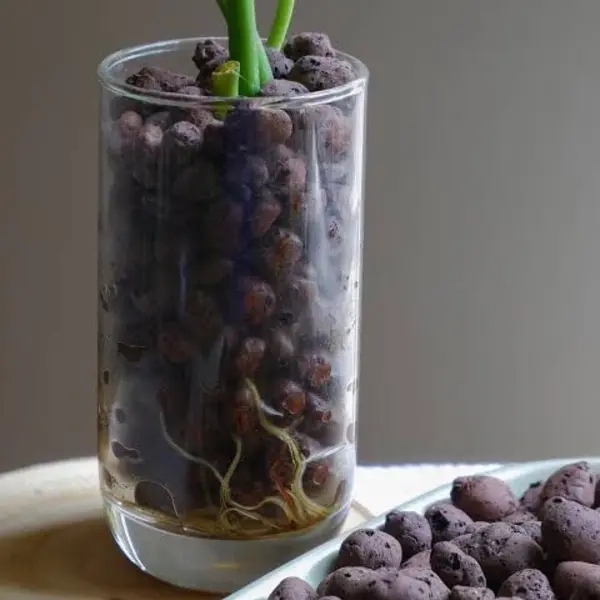
- Potting: Place a layer of LECA at the bottom of a pot, then position the plant, and fill the rest of the pot with more LECA. Using a clear container can help you monitor water levels and root health.
2. Watering and Nutrients:
- Watering: LECA acts like a sponge, absorbing water and releasing it slowly to the plant’s roots. In a semi-hydroponic setup, you can water by filling the bottom third of the pot with water. The LECA will wick the water up to the roots.
- Nutrients: LECA is an inert medium and contains no nutrients. You must provide all necessary nutrients for your plant through a liquid fertilizer or a hydroponic nutrient solution. You can add a diluted fertilizer solution to the water reservoir.
- Flushing: Over time, mineral salts from water and fertilizers can build up on the LECA. Periodically flushing the LECA with clean water can help remove this buildup.
3. General Care:
- Monitor Water Level: Keep an eye on the water level and refill it as needed. Do not let the LECA completely dry out, as this can cause it to wick water away from the roots.
- Pest Control: LECA can help reduce common soil pests like fungus gnats, as they thrive in organic matter.
- Reuse: LECA is reusable and can last for years. To reuse, you can rinse and sterilize the balls to prevent the transfer of any pests or diseases to new plants.
- Algae: Algae can grow on LECA, especially in clear containers exposed to direct sunlight. While not always harmful in small amounts, it can be unsightly.
| Quantity |
|---|
You must be logged in to post a review.
Related products
-
Pilea Repens, Black Panamiga
Original price was: ₹280.00.₹149.00Current price is: ₹149.00.Add to cartSize: Single Plant | Jiffy Bag Caring for a Pilea Ripens (also known as Black Panamiga) involves understanding its specific needs to ensure it thrives. Here’s a breakdown of Pilea Repens, Black Panamiga key care aspects: Key Care Points: Light: Pilea repens prefers bright, indirect sunlight. Direct sunlight can scorch its leaves. Rotating the plant …
-
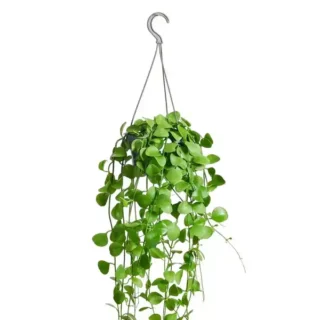
String Of Nickels (Dischidia nummularia)
Price range: ₹99.00 through ₹599.00Select options This product has multiple variants. The options may be chosen on the product pageSelling size: Well rooted plant in a Jiffy bag The Dischidia nummularia, commonly known as the String of Nickels or Button Orchid, is a delightful and easy-to-care-for trailing epiphyte. Its common name comes from its small, round, coin-shaped leaves that densely cover its long, slender stems. As a relative of the Hoya, it shares a similar …
-
Dischidia Oiantha plant
Price range: ₹99.00 through ₹599.00Select options This product has multiple variants. The options may be chosen on the product pagePlant Size: Single plant | Secure Packing The Dischidia oiantha, often referred to as a “Hoya cousin,” is a charming, easy-to-care-for epiphyte with trailing vines and small, oval, succulent-like leaves. It’s a great choice for hanging baskets or for adding a touch of whimsy to a shelf. Here is a comprehensive guide to caring for …
-
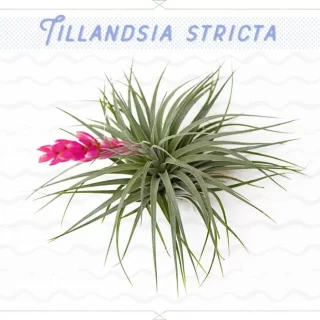
Tillandsia Stricta (Air plant)
Original price was: ₹400.00.₹199.00Current price is: ₹199.00.Add to cartSelling size: Single plant | Secure Packing The Tillandsia Stricta (Air plant) is one of the most popular and adaptable species of air plants, known for its soft, green-silver foliage and beautiful blooms. Like all air plants, it is epiphytic, meaning it absorbs all its water and nutrients through its leaves from the air, not …
-
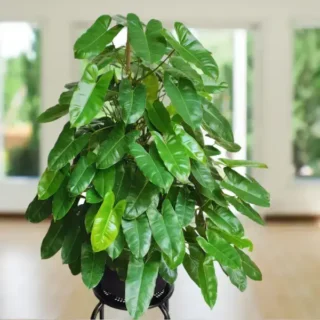
Philodendron Burle Marx Plant
Original price was: ₹485.00.₹149.00Current price is: ₹149.00.Add to cartSelling size: Single plant | Pot Included | Secure Packing The Philodendron Burle Marx is a fantastic and relatively easy-to-care-for plant, known for its glossy, spade-shaped leaves and dense, clumping growth. It’s often recommended as a great choice for beginner houseplant owners. Here is a comprehensive care guide for your Philodendron Burle Marx: Light …
-
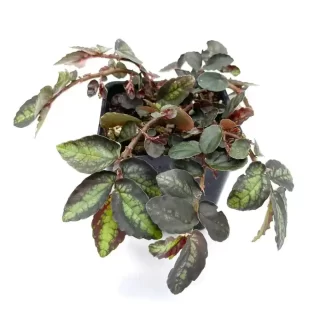
Pellionia repens var. pulchra
Original price was: ₹325.00.₹149.00Current price is: ₹149.00.Add to cartSelling size: Well rooted plant in a jiffy bag | Secure Packing The Pellionia repens var. pulchra, often called the Trailing Watermelon Begonia, is a beautiful and easy-to-care-for trailing plant. Its common name comes from the striking, patterned leaves that resemble the rind of a watermelon. Despite the name, it is not a true begonia …
-
Scindapsus Pictus Exotica
Original price was: ₹380.00.₹99.00Current price is: ₹99.00.Add to cartSelling size: Single Plant | 2.5″ Pot Included The Scindapsus Pictus Exotica, also known as the silver pothos, is a houseplant with large, dark green leaves that have silver spots and mottling. Here’s a guide to caring for your Scindapsus pictus Exotica plant: Light: Prefers bright, indirect light. An east or west-facing window that’s about …
-
Lemon Button Fern Plant
Original price was: ₹539.00.₹179.00Current price is: ₹179.00.Add to cartSelling Size: Single plant | 2.5″ Pot Included The Lemon Button Fern (Nephrolepis cordifolia ‘Duffii’) is a popular and relatively easy-to-care-for fern. It’s known for its compact, arching fronds with small, button-like leaves and a subtle, lemony scent when you brush against them. Unlike some ferns, it’s a bit more forgiving of indoor conditions, making …


 If you need any assistance, I'm always here. Have you found what you were looking for?
Reviews
There are no reviews yet.