
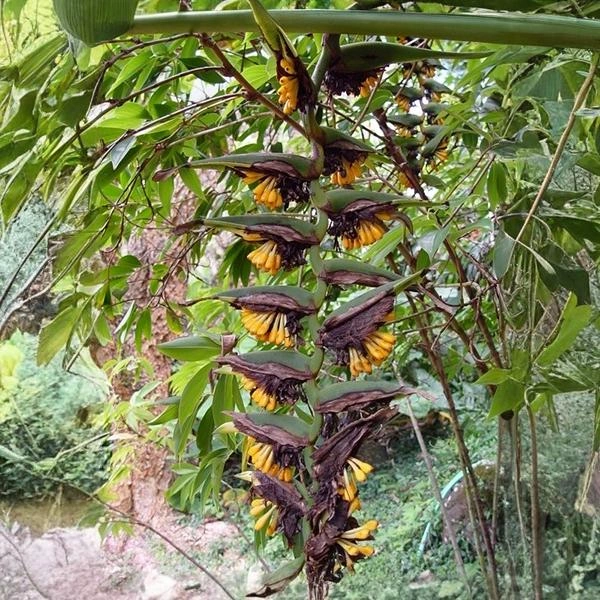
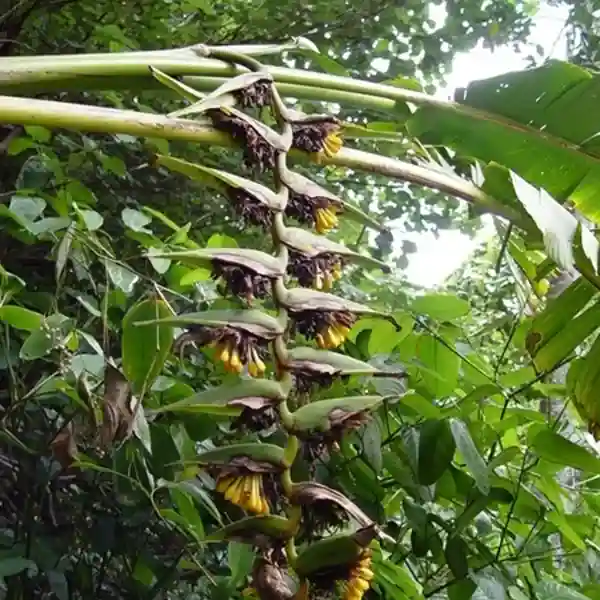
Heliconia Solomonensis
Original price was: ₹899.00.₹599.00Current price is: ₹599.00.
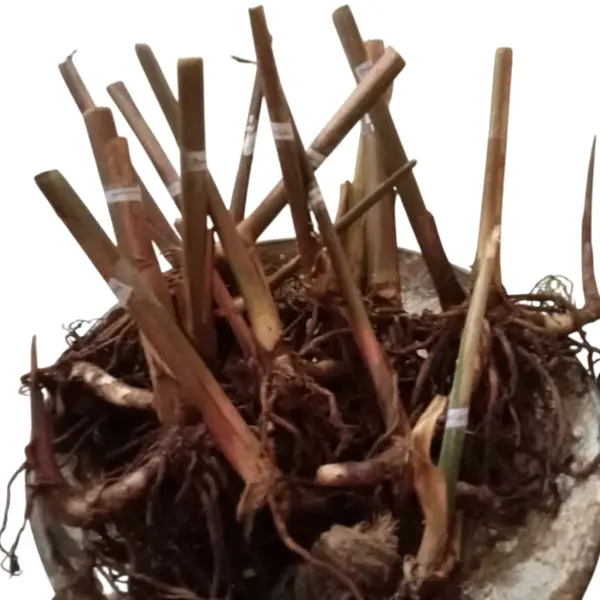
Selling Part : A single Rhizsome with Tag | Secure packing | Free Shipping
The is a species of the genus native to the Solomon Islands, which is known for its green inflorescence (bracts) and is one of the few Pacific species in the genus. Its care is typical of tropical Heliconias, requiring high warmth, humidity, and abundant moisture.
Heliconia solomonensis Care Guide
1. Light and Placement
2. Temperature and Humidity
3. Watering and Soil
4. Fertilizing
Heliconias are heavy feeders due to their fast growth and large leaves.
- Growing Season (Spring to Fall): Fertilize regularly.
- Apply a slow-release, balanced granular fertilizer (e.g., NPK 14-14-14 or 20-20-20) every 3-4 months.
- Supplement with a liquid, balanced NPK fertilizer monthly for continuous feeding.
- For Best Blooms: Ensure the fertilizer has sufficient Potassium () and Magnesium (), which support flowering and vibrant color.
- Winter: Reduce or stop fertilizing when growth slows down.
5. Pruning and Maintenance
- Pruning Spent Stems: Each stem (pseudostem) only flowers once. Once the inflorescence has faded, cut the entire stem down to the ground level. This encourages the plant to produce new shoots from the rhizome, which will bear the next flowers.
- Tidiness: Remove any dead, yellow, or damaged leaves regularly to maintain appearance and prevent disease.
- Controlling Spread: Heliconias spread via rhizomes and can become aggressive.
- To control, install root barriers (30-40 cm deep) around the bed or grow the plant in a large, heavy pot.
- Divide overcrowded clumps every 1-2 years in late winter/early spring to rejuvenate the plant.
You must be logged in to post a review.
Related products
-
Scindapsus Pictus Exotica
Original price was: ₹380.00.₹99.00Current price is: ₹99.00.Add to cartSelling size: Single Plant | 2.5″ Pot Included The Scindapsus Pictus Exotica, also known as the silver pothos, is a houseplant with large, dark green leaves that have silver spots and mottling. Here’s a guide to caring for your Scindapsus pictus Exotica plant: Light: Prefers bright, indirect light. An east or west-facing window that’s about …
-
Lemon Button Fern Plant
Original price was: ₹539.00.₹179.00Current price is: ₹179.00.Add to cartSelling Size: Single plant | 2.5″ Pot Included The Lemon Button Fern (Nephrolepis cordifolia ‘Duffii’) is a popular and relatively easy-to-care-for fern. It’s known for its compact, arching fronds with small, button-like leaves and a subtle, lemony scent when you brush against them. Unlike some ferns, it’s a bit more forgiving of indoor conditions, making …
-
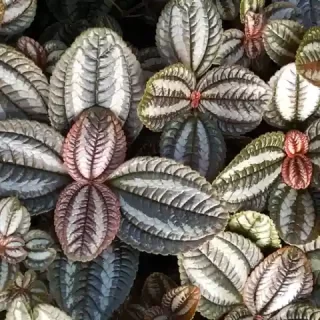
Pilea involucrata ‘Norfolk’ – Friendship Plant
Original price was: ₹450.00.₹199.00Current price is: ₹199.00.Add to cartSize: Single Plant | 2.5″ Pot Included | Free Shipping The Pilea involucrata ‘Norfolk’, commonly known as the Friendship Plant, is a delightful houseplant celebrated for its unique, velvety, quilted foliage. The leaves have a rich texture and a beautiful color palette, with deep green and bronze tones on the upper surface and a reddish-purple …
-
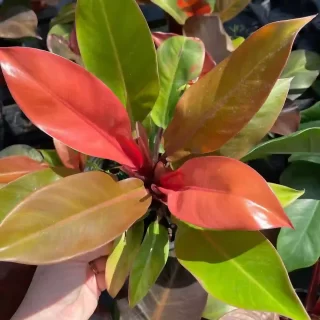
Philodendron ‘Prince of Orange’
Price range: ₹199.00 through ₹620.00Select options This product has multiple variants. The options may be chosen on the product pageSelling Size : Single Plant | Pot Included | Secure Packing The Philodendron ‘Prince of Orange’ is a stunning and popular hybrid known for its vibrant, ever-changing leaf colors. New leaves emerge as a brilliant orange or coppery color, and as they mature, they transition to a lime green, then a deep, glossy green. It …
-
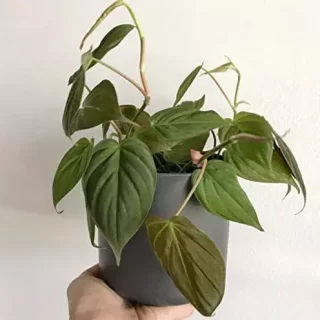
Philodendron Mican plant
Original price was: ₹650.00.₹99.00Current price is: ₹99.00.Add to cartSelling size: A well rooted plant | 2.5″ Pot Included The Philodendron Micans (Philodendron hederaceum ‘Micans’), also known as the Velvet-Leaf Philodendron, is a popular, easy-care trailing or climbing houseplant prized for its unique, velvety, heart-shaped leaves that emerge a beautiful chartreuse/pink and mature to a deep, iridescent, bronze-green with hints of purple. Here is …
-
Black zz plant, Raven ZZ Plant
Price range: ₹99.00 through ₹499.00Select options This product has multiple variants. The options may be chosen on the product pageSelling size: Please Choose (Single – Bushy) | 2.5″-5” Pot Included | Secure Packing The Black ZZ Plant, or Raven ZZ Plant (Zamioculcas zamiifolia ‘Raven’), is a popular, exceptionally resilient houseplant known for its striking, nearly black foliage. It shares the easy-care nature of the standard green ZZ plant, making it perfect for beginners or …
-
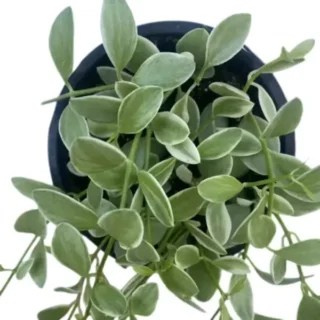
Dischidia Ruscifolia (Million Hearts)
Price range: ₹199.00 through ₹499.00Select options This product has multiple variants. The options may be chosen on the product pagePlant Size: Single plant | 2.5″-6″ Pot Included The Dischidia Ruscifolia (Million Hearts), commonly known as the Million Hearts plant, is a delightful and easy-to-care-for trailing epiphyte. Its name comes from the abundance of small, heart-shaped leaves that densely cover its slender stems. As a member of the same family as Hoyas, its care …



 If you need any assistance, I'm always here. Have you found what you were looking for?
Reviews
There are no reviews yet.