
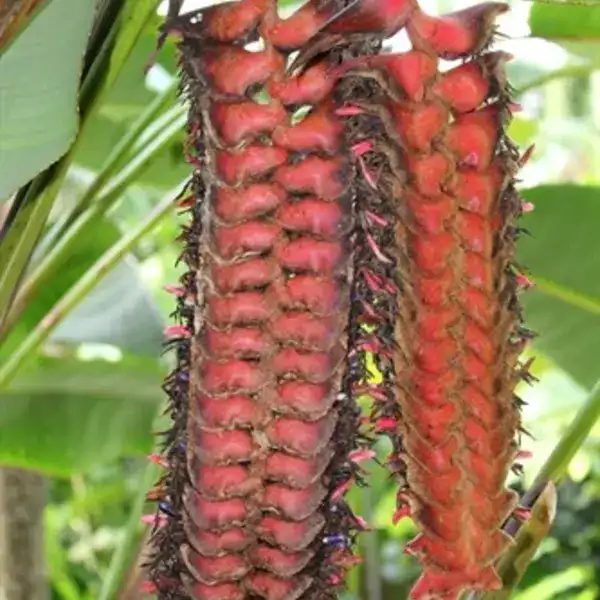
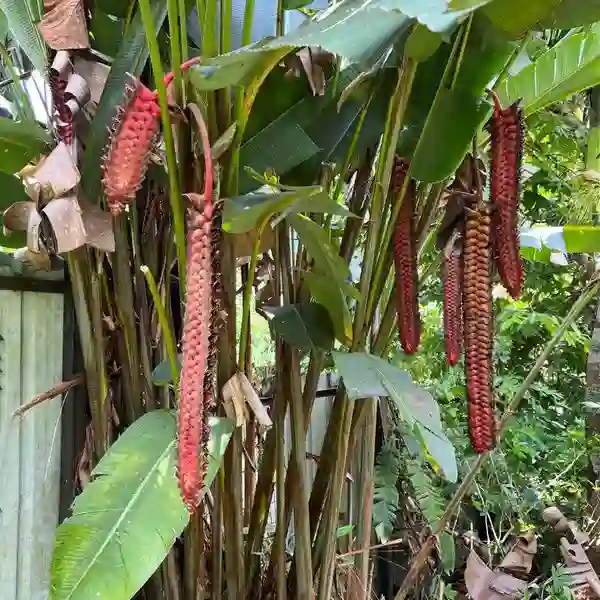
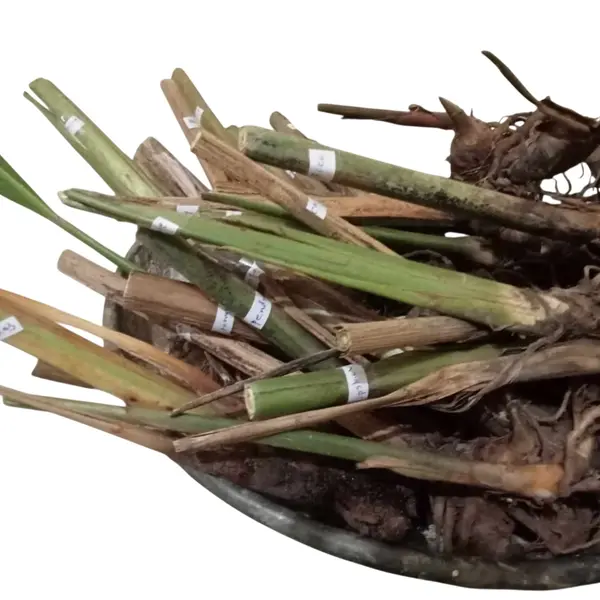
Heliconia Mariae
Original price was: ₹899.00.₹599.00Current price is: ₹599.00.
1 in stock
Selling Part : A single Rhizsome with Tag | Secure packing | Free Shipping
The Heliconia Mariae (often called ‘Beef Steak’ or ‘Lobster-claw’) is a spectacular, tall tropical plant known for its large, pendent, red and yellow inflorescences.
Here are the key care guidelines for a Heliconia Mariae:
1. Light
- Ideal: Bright, filtered light to partial shade.
- Avoid: Too much intense, direct midday sun, which can scorch the leaves, or deep shade, which can reduce flowering.
2. Water & Humidity
- Watering: Keep the soil consistently moist but not waterlogged. They are moisture-loving plants but do not tolerate “wet feet” (root rot). Water regularly, especially during the warm growing season.
- Humidity: High humidity is essential, as they are native to tropical rainforests. If growing indoors or in a dry climate, regular misting, grouping plants, or using a pebble tray/humidifier will help.
3. Soil & Fertilizing
- Soil: Use a rich, fertile, and well-draining soil. Amending with organic matter like compost or well-rotted manure is beneficial. A slightly acidic to neutral pH (5.5-7.0) is preferred.
- Fertilizer: Feed monthly during the growing season (spring and summer) with a balanced, slow-release fertilizer or a liquid fertilizer, following the product instructions.
4. Temperature
- Warmth: Heliconia Mariae thrives in warm, tropical conditions. The ideal temperature range is typically to ( to ).
- Cold Tolerance: They are not frost-hardy and should be protected from temperatures below (). If growing in a cooler climate, it’s best to grow them in containers to move indoors or to a sheltered location during cold weather.
5. Pruning
- Remove Spent Stems: Once a stem has flowered, that stem will not flower again. Cut back the old flower stem and any dead or damaged leaves and stems at the base to encourage new growth from the rhizomes.
- Thinning: Regular thinning helps improve air circulation, which can reduce the risk of pests and diseases. Prune in late winter or early spring.
6. Pests
- Keep an eye out for common pests like spider mites (especially in low humidity) and mealybugs. Treat immediately with appropriate horticultural oil or insecticidal soap.
You must be logged in to post a review.
Related products
-
Black zz plant, Raven ZZ Plant
Price range: ₹99.00 through ₹499.00Select options This product has multiple variants. The options may be chosen on the product pageSelling size: Please Choose (Single – Bushy) | 2.5″-5” Pot Included | Secure Packing The Black ZZ Plant, or Raven ZZ Plant (Zamioculcas zamiifolia ‘Raven’), is a popular, exceptionally resilient houseplant known for its striking, nearly black foliage. It shares the easy-care nature of the standard green ZZ plant, making it perfect for beginners or …
-
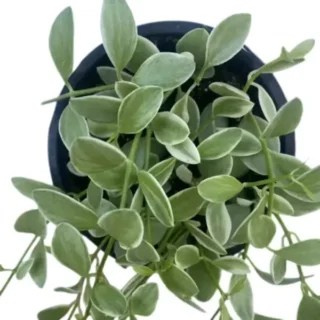
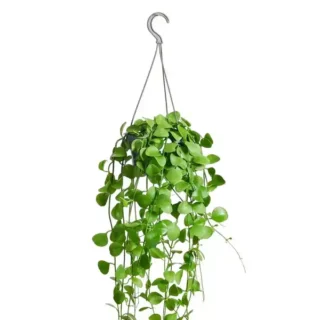
Dischidia nummularia (Pebble Beach/ Button Orchid)
Price range: ₹99.00 through ₹599.00Select options This product has multiple variants. The options may be chosen on the product pagePlant Size: Single plant | 2.5″ Pot Included he Dischidia nummularia, commonly known as the String of Nickels, Pebble Beach plant, or Button Orchid, is a charming epiphyte with trailing stems covered in small, round, succulent-like leaves. It’s a great choice for hanging baskets and is known for being relatively easy to care for, especially …
-
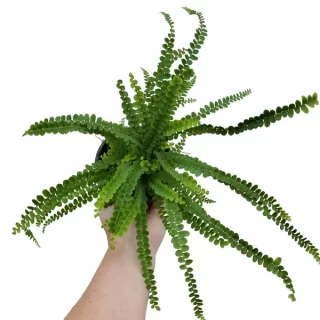
Lemon Button Fern Plant
Original price was: ₹539.00.₹179.00Current price is: ₹179.00.Add to cartSelling Size: Single plant | 2.5″ Pot Included The Lemon Button Fern (Nephrolepis cordifolia ‘Duffii’) is a popular and relatively easy-to-care-for fern. It’s known for its compact, arching fronds with small, button-like leaves and a subtle, lemony scent when you brush against them. Unlike some ferns, it’s a bit more forgiving of indoor conditions, making …
-
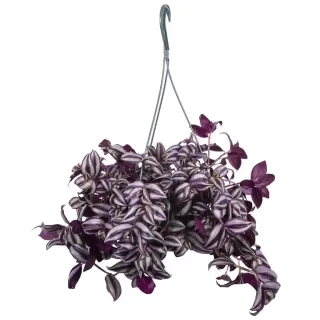
Wandering Jew Plant
Original price was: ₹305.00.₹149.00Current price is: ₹149.00.Add to cartSelling size: This plant comes in a 2.5″ Square pot The Wandering Jew Plant, also known as the Tradescantia! They’re such vibrant and easy-to-love plants. To keep yours thriving, here’s a rundown of Wandering Jew Plant care needs: Light: They absolutely love bright, indirect sunlight. Think of a spot near an east- or west-facing window …
-
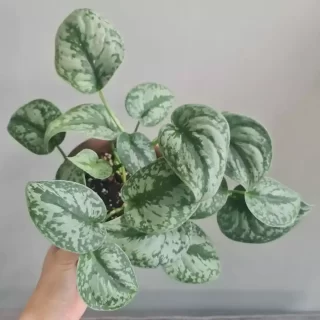
Scindapsus Pictus Exotica
Original price was: ₹380.00.₹99.00Current price is: ₹99.00.Add to cartSelling size: Single Plant | 2.5″ Pot Included The Scindapsus Pictus Exotica, also known as the silver pothos, is a houseplant with large, dark green leaves that have silver spots and mottling. Here’s a guide to caring for your Scindapsus pictus Exotica plant: Light: Prefers bright, indirect light. An east or west-facing window that’s about …
-
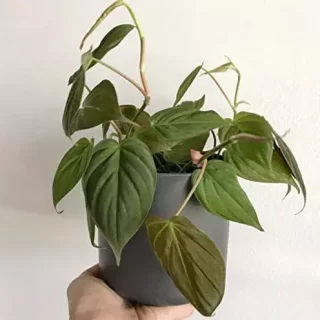
Philodendron Mican plant
Original price was: ₹650.00.₹99.00Current price is: ₹99.00.Add to cartSelling size: A well rooted plant | 2.5″ Pot Included The Philodendron Micans (Philodendron hederaceum ‘Micans’), also known as the Velvet-Leaf Philodendron, is a popular, easy-care trailing or climbing houseplant prized for its unique, velvety, heart-shaped leaves that emerge a beautiful chartreuse/pink and mature to a deep, iridescent, bronze-green with hints of purple. Here is …
-
Dischidia Oiantha plant
Price range: ₹99.00 through ₹599.00Select options This product has multiple variants. The options may be chosen on the product pagePlant Size: Single plant | Secure Packing The Dischidia oiantha, often referred to as a “Hoya cousin,” is a charming, easy-to-care-for epiphyte with trailing vines and small, oval, succulent-like leaves. It’s a great choice for hanging baskets or for adding a touch of whimsy to a shelf. Here is a comprehensive guide to caring for …

 If you need any assistance, I'm always here. Have you found what you were looking for?
Reviews
There are no reviews yet.