
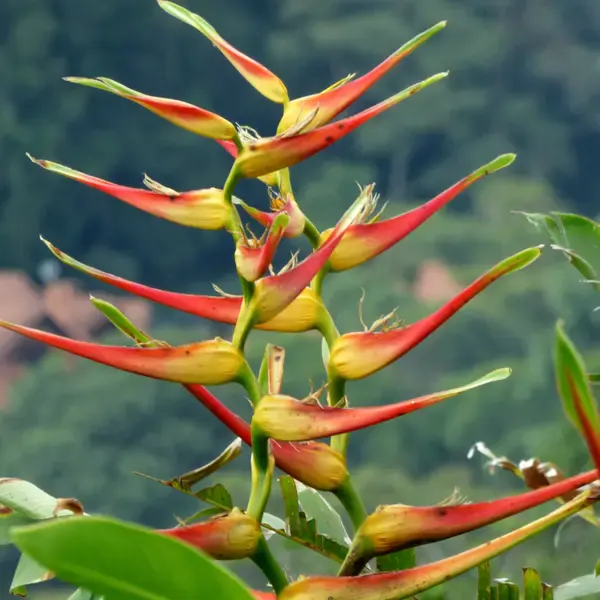
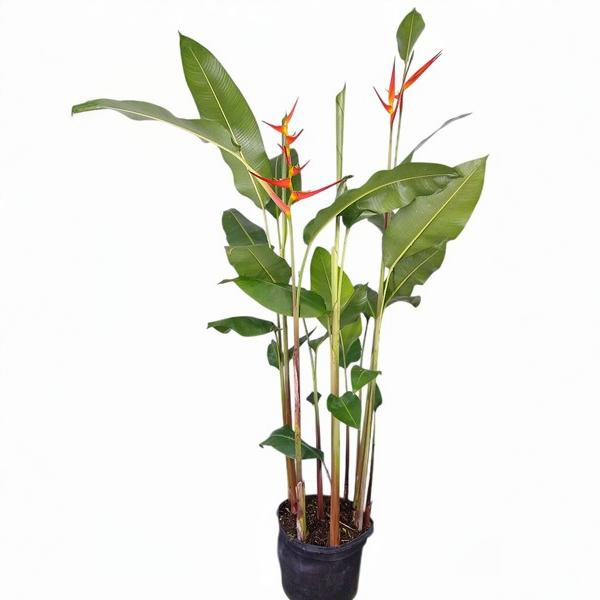
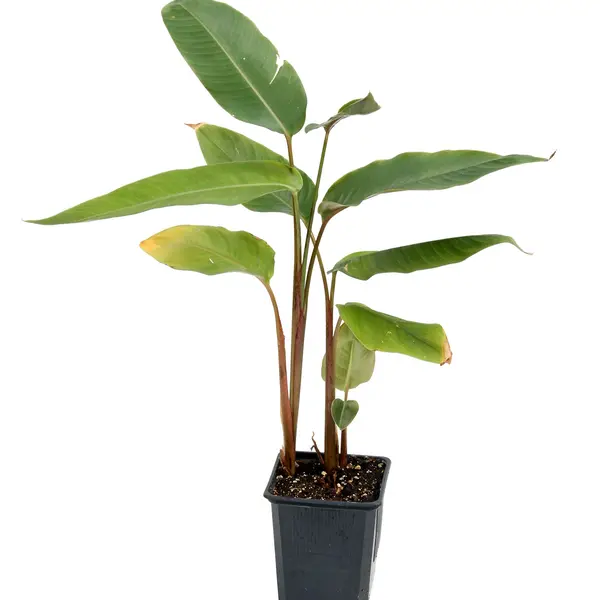
Heliconia Latispatha
₹1.00
Out of stock
Email when stock available
Selling Size : Single Plant | Pot Included | Secure Packing
The Heliconia ‘Latispatha’ (also known as Expanded Lobsterclaw) is a popular, brightly colored tropical plant prized for its stunning, unique flower bracts. It is a robust grower and requires a warm, humid environment to truly flourish.
Here is a detailed guide to its care Heliconia Latispatha :
1. Light Requirements
- Preference: Full sun to partial shade.
- Outdoor: Plant it in a spot that receives 6 or more hours of direct sun for the best flowering. In extremely hot climates, some afternoon shade is beneficial to prevent leaf scorching.
- Indoor/Container: It needs the brightest possible spot. A south-facing window is ideal, but be mindful of direct intense glass-filtered sun. Full sun is best for bloom production.
2. Watering
- Consistency: Heliconias are native to rainforests and are not drought tolerant. The soil must be kept consistently moist—never allowed to dry out completely.
- Avoid Soggy Soil: While it loves water, it hates “wet feet.” Ensure the soil is well-draining to prevent waterlogging, which can lead to root rot.
- Frequency: During the warm, active growing season, you may need to water every 2–3 days or more, depending on temperature and light. Reduce frequency in the winter.
3. Humidity
- Requirement: High (ideally or higher).
- Symptoms of Low Humidity: Brown or crispy leaf margins.
- Solutions: Plant in a naturally humid location outdoors or, if growing in a container, use a humidifier, group it with other plants, or place it on a pebble tray filled with water.
4. Temperature
- Ideal Range: Warm, tropical temperatures, ideally between to ( to ).
- Cold Sensitivity: It is not frost-tolerant and will suffer damage or die back below (). If you live in a non-tropical climate, grow it in a pot and bring it indoors or into a greenhouse for the winter.
5. Soil and Fertilizing
- Soil: Use a fertile, loamy, and well-draining soil mix that is rich in organic matter. Good drainage is essential.
- Fertilizer: It is a heavy feeder and needs regular fertilization during the active growing season (spring and summer).
- Apply a balanced slow-release fertilizer in spring.
- Supplement with a liquid fertilizer (like a 10-10-10 NPK) monthly during the summer to encourage robust growth and blooms.
- Do not fertilize in the fall and winter.
6. Pruning and Maintenance
- Flowering and Pseudostems: Heliconias grow from rhizomes and produce vertical stems called pseudostems (like a banana plant). Each pseudostem only blooms once.
- Post-Bloom Pruning: Once a stalk has bloomed, it will not flower again. Cut the spent flower stalk down to the ground to make room for new shoots and future blooms.
- Leaf Maintenance: Remove any dead, damaged, or yellowing leaves to keep the plant tidy and encourage new growth.
7. Repotting and Propagation
- Repotting: Repot every 2–3 years or when the plant becomes root-bound. Choose a large pot, as it can grow quite tall.
- Propagation: Heliconias are easily propagated by dividing the rhizomes in the spring. Dig up the clump, cut healthy rhizomes with a few growth “eyes” or buds using a clean, sharp tool, and replant the divisions.
8. Common Issues Heliconia Latispatha
- Yellow Leaves: Usually a sign of overwatering (root rot) or, sometimes, a nutrient deficiency (like iron, if the soil is too alkaline). Check your watering habits first.
- No Flowers: The plant is likely not getting enough light, is too young (flowers usually appear after the first year), or needs more fertilizer.
- Pests: Watch for spider mites (often due to low humidity) and mealybugs. Treat with neem oil or insecticidal soap.
You must be logged in to post a review.
Related products
-
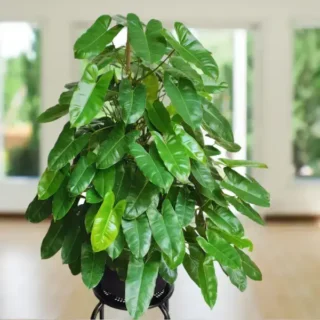
Philodendron Burle Marx Plant
Original price was: ₹485.00.₹149.00Current price is: ₹149.00.Add to cartSelling size: Single plant | Pot Included | Secure Packing The Philodendron Burle Marx is a fantastic and relatively easy-to-care-for plant, known for its glossy, spade-shaped leaves and dense, clumping growth. It’s often recommended as a great choice for beginner houseplant owners. Here is a comprehensive care guide for your Philodendron Burle Marx: Light …
-
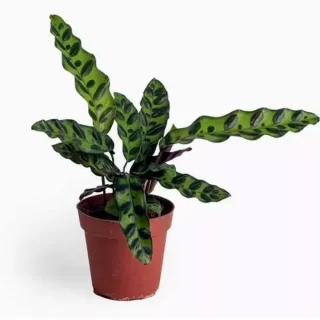
Calathiya Rattlesnake Plant
Price range: ₹125.00 through ₹549.00Select options This product has multiple variants. The options may be chosen on the product pageSelling size: Please Choose | Secure Packing | 2.5″-4″ Pot Included Calathiya rattlesnake is a plant easy to care for. However, there are a few measures and precautions you need to take to grow and maintain yours. Here’s a comprehensive guide for rattlesnake plant : Light Calathea Lancifolia prefers bright, indirect light. Like most variegated …
-
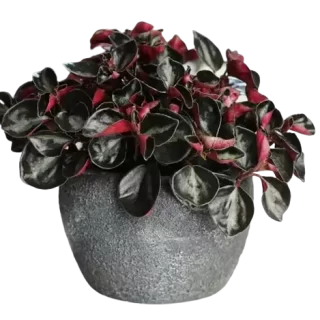
Columbian Peperomia (Galaxy pepperomia)
Original price was: ₹345.00.₹183.65Current price is: ₹183.65.Read moreSelling size:Well rooted plant in a jiffy bag The Columbian Peperomia (Peperomia metallica var. columbiana) is a visually striking and relatively low-maintenance houseplant. It is also sometimes sold as “Galaxy Peperomia,” a name that hints at its unique foliage. This plant is known for its beautiful, semi-succulent leaves that have a dark green or bronze-purple …
-
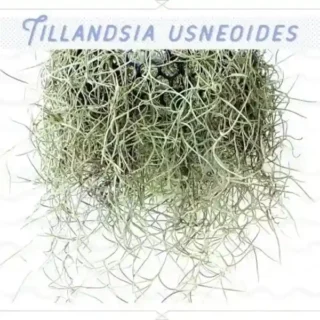
Spanish Moss Air Plant
Price range: ₹49.00 through ₹1,699.00Select options This product has multiple variants. The options may be chosen on the product pageSelling size: PLEASE CHOOSE Spanish Moss Air Plant – CARE INSTRUCTIONS Scientific name: Tillandsia usneoides Synonyms: Old man’s beard, Spanish Moss, French Hair, Spanish Beard Spanish Moss is a delicate silvery-grey air plant that is often used to hang in trees or as a gorgeous decor piece without the need for soil. Despite its name, Spanish Moss …
-
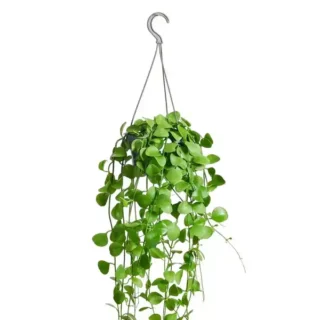
Dischidia Oiantha plant
Price range: ₹99.00 through ₹599.00Select options This product has multiple variants. The options may be chosen on the product pagePlant Size: Single plant | Secure Packing The Dischidia oiantha, often referred to as a “Hoya cousin,” is a charming, easy-to-care-for epiphyte with trailing vines and small, oval, succulent-like leaves. It’s a great choice for hanging baskets or for adding a touch of whimsy to a shelf. Here is a comprehensive guide to caring for …
-
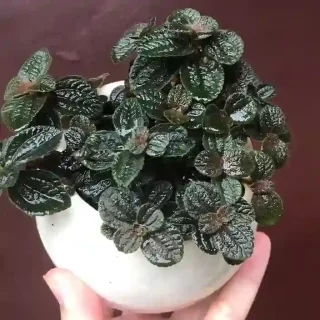
Pilea Repens, Black Panamiga
Original price was: ₹280.00.₹149.00Current price is: ₹149.00.Add to cartSize: Single Plant | Jiffy Bag Caring for a Pilea Ripens (also known as Black Panamiga) involves understanding its specific needs to ensure it thrives. Here’s a breakdown of Pilea Repens, Black Panamiga key care aspects: Key Care Points: Light: Pilea repens prefers bright, indirect sunlight. Direct sunlight can scorch its leaves. Rotating the plant …
-
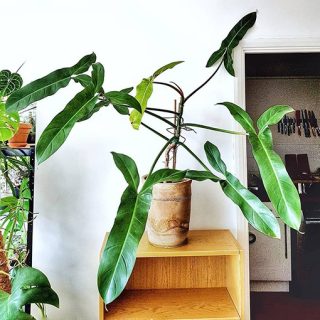
Philodendron Mexicanum
Original price was: ₹1,090.00.₹749.00Current price is: ₹749.00.Add to cartSelling size: Single Plant | Pot included The Philodendron mexicanum is a beautiful vining plant known for its long, arrow-shaped leaves with a striking deep maroon or reddish underside. As its name suggests, it is native to the tropical forests of Mexico. It’s a relatively easy-to-care-for plant, especially for those familiar with other vining philodendrons. …
 If you need any assistance, I'm always here. Have you found what you were looking for?
Reviews
There are no reviews yet.