
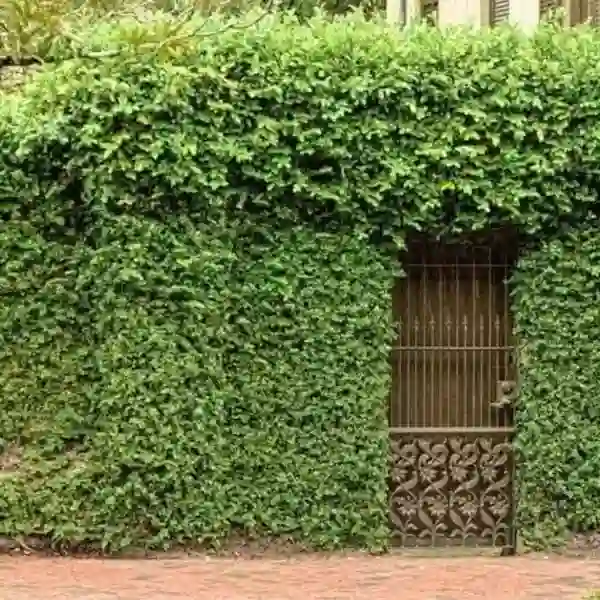

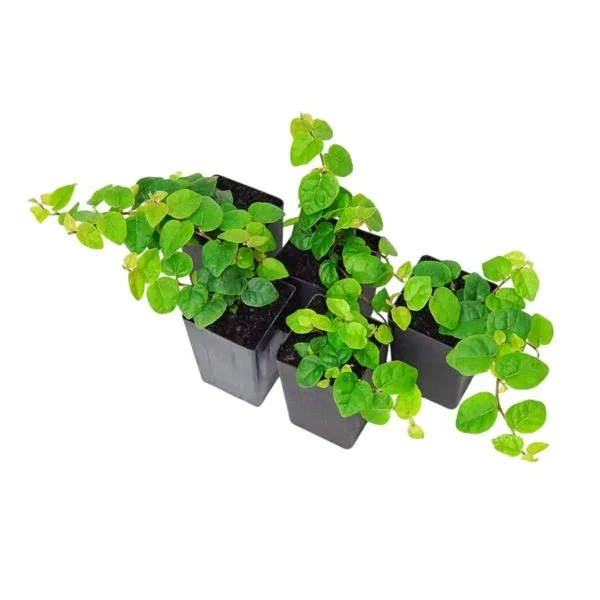
Ficus pumila, Wall creeper, Creeping fig – Trending Wall Creeper-Pack Of 10
Price range: ₹249.00 through ₹989.00
Selling size: 10 plants pack | Pot Included | Secure Packing
The Wall Creeper, or Creeping Fig (), is a highly popular and trending wall creeper known for its ability to quickly cover surfaces with a dense, beautiful layer of foliage. Unlike some other creepers, it’s admired for its delicate, small, heart-shaped leaves that create a lacy, intricate pattern on walls. It’s an excellent choice for a low-maintenance vertical garden or to soften the look of bare walls, but it does require some consideration due to its aggressive growth habit.
Here is a comprehensive guide to caring for this trending wall creeper:
Key Characteristics
- Botanical Name: (also known as )
- Common Names: Wall Creeper, Creeping Fig, Climbing Fig
- Plant Type: Evergreen perennial vine
- Growth Habit: It’s a self-clinging vine that attaches to surfaces using adhesive aerial rootlets. It grows vigorously and can cover large areas very quickly.
- Foliage: The juvenile leaves are small, thin, and heart-shaped. As the plant matures, the leaves can become larger, thicker, and more leathery.
- Flowers/Fruit: It may produce small, inconspicuous, pear-shaped figs, but it is primarily grown for its foliage. The fruit is generally inedible.
- Toxicity: The milky sap can cause skin irritation in some people, so it’s best to wear gloves when handling or pruning. It’s also considered toxic to pets if ingested.
Care and Maintenance
1. Sunlight:
- Outdoors: The Creeping Fig thrives in partial shade to full sun. In very hot climates, it benefits from some protection from the intense afternoon sun to prevent leaf scorching.
- Indoors: As a houseplant, it does best in bright, indirect light. Avoid direct midday sun, which can burn the leaves.
2. Soil:
- The plant is adaptable but prefers well-draining, fertile soil rich in organic matter.
- A slightly acidic to neutral soil (pH 6.0 to 7.5) is ideal.
- If planting in a pot, use a standard commercial potting mix with added perlite or coarse sand to ensure good drainage.
3. Watering:
- Water regularly, especially during the growing season (spring and summer), to keep the soil consistently moist but not waterlogged.
- Allow the top inch of the soil to dry out before watering again.
- Reduce watering frequency in the fall and winter when the plant’s growth slows.
- Overwatering is a common problem and can lead to root rot.
4. Fertilizing:
- Feed the plant with a balanced liquid fertilizer once a month during the growing season (spring and summer).
- You can reduce or stop fertilizing in the cooler months.
- Always water the plant thoroughly before fertilizing to prevent root burn.
5. Pruning and Support:
- This is a crucial aspect of caring for the Creeping Fig due to its aggressive growth.
- It needs a strong, sturdy surface to climb, such as a wall, fence, or trellis.
- Regular and aggressive pruning is essential to keep the plant in check and maintain its neat, juvenile appearance. Without pruning, it can quickly become unruly, growing into gutters, windows, and even causing damage to structures.
- The best time for major pruning is in early spring, just before the new growth begins.
6. Pests and Diseases:
- The Creeping Fig is generally resistant to pests and diseases, but it can occasionally be affected by common pests like aphids, spider mites, and mealybugs.
- Treat any infestations with an insecticidal soap or neem oil.
- Ensure good air circulation to prevent fungal issues like powdery mildew.
Important Considerations (Invasive Potential)
- While beautiful, the Creeping Fig is a very high-maintenance plant in terms of its growth control.
- Its adhesive rootlets can cling so tightly that they may damage painted surfaces, wood, and even mortar in brick walls. Once established, it is very difficult to remove completely, as remnants can still cling to the surface.
- It is not recommended to plant it on the walls of your home or any structure that you don’t want to be permanently covered. It’s a better choice for an independent garden wall or a sturdy fence.
- If you choose to grow it, be prepared to be diligent with your pruning to prevent it from becoming a landscaping nightmare.
| Size |
|---|
You must be logged in to post a review.
Related products
-
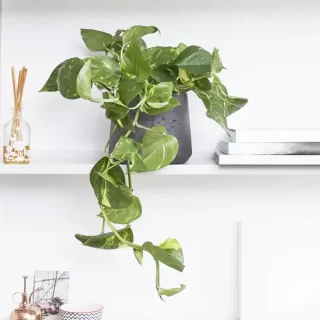
Golden Pothos
Original price was: ₹355.00.₹99.00Current price is: ₹99.00.Add to cartSelling size : Well rooted plant | 2.5″ pot included The Golden Pothos (Epipremnum aureum), also known as Devil’s Ivy, is one of the most popular and easiest houseplants to care for, making it an excellent choice for beginners. It’s a vining plant with heart-shaped leaves that are a vibrant green, often with splashes or …
-
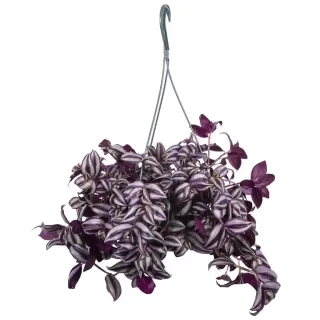
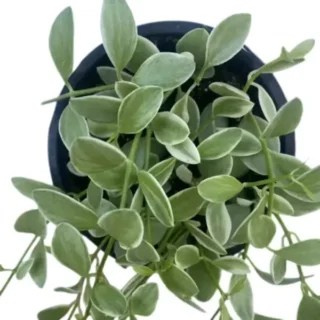
Wandering Jew Plant
Original price was: ₹305.00.₹149.00Current price is: ₹149.00.Add to cartSelling size: This plant comes in a 2.5″ Square pot The Wandering Jew Plant, also known as the Tradescantia! They’re such vibrant and easy-to-love plants. To keep yours thriving, here’s a rundown of Wandering Jew Plant care needs: Light: They absolutely love bright, indirect sunlight. Think of a spot near an east- or west-facing window …
-
Spanish Moss Air Plant
Price range: ₹49.00 through ₹1,699.00Select options This product has multiple variants. The options may be chosen on the product pageSelling size: PLEASE CHOOSE Spanish Moss Air Plant – CARE INSTRUCTIONS Scientific name: Tillandsia usneoides Synonyms: Old man’s beard, Spanish Moss, French Hair, Spanish Beard Spanish Moss is a delicate silvery-grey air plant that is often used to hang in trees or as a gorgeous decor piece without the need for soil. Despite its name, Spanish Moss …
-
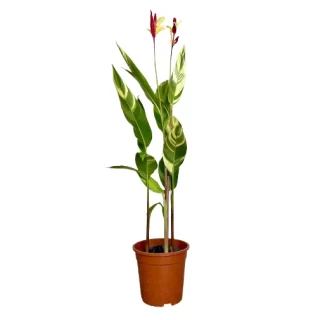
Heliconia Variegated – Super Rare
Original price was: ₹2,599.00.₹1,099.00Current price is: ₹1,099.00.Add to cartPlant size: Single plant | Pot Included | Free shipping The Variegated Heliconia (often a cultivar of Heliconia psittacorum, like ‘Lady Di’ or ‘Golden Torch’) is a striking tropical plant known for its banana-like leaves splashed with stripes of cream, yellow, or white. It is a demanding plant, requiring specific tropical conditions to thrive, especially …
-
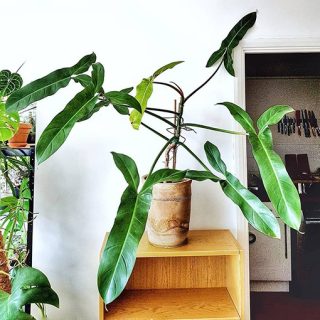
Philodendron Mexicanum
Original price was: ₹1,090.00.₹749.00Current price is: ₹749.00.Add to cartSelling size: Single Plant | Pot included The Philodendron mexicanum is a beautiful vining plant known for its long, arrow-shaped leaves with a striking deep maroon or reddish underside. As its name suggests, it is native to the tropical forests of Mexico. It’s a relatively easy-to-care-for plant, especially for those familiar with other vining philodendrons. …
-
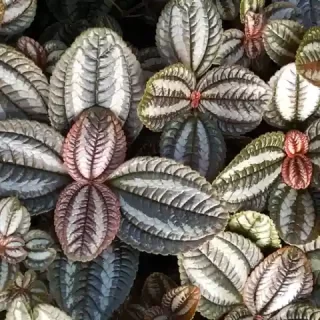
Pilea involucrata ‘Norfolk’ – Friendship Plant
Original price was: ₹450.00.₹199.00Current price is: ₹199.00.Add to cartSize: Single Plant | 2.5″ Pot Included | Free Shipping The Pilea involucrata ‘Norfolk’, commonly known as the Friendship Plant, is a delightful houseplant celebrated for its unique, velvety, quilted foliage. The leaves have a rich texture and a beautiful color palette, with deep green and bronze tones on the upper surface and a reddish-purple …
-
Columbian Peperomia (Galaxy pepperomia)
Original price was: ₹345.00.₹183.65Current price is: ₹183.65.Read moreSelling size:Well rooted plant in a jiffy bag The Columbian Peperomia (Peperomia metallica var. columbiana) is a visually striking and relatively low-maintenance houseplant. It is also sometimes sold as “Galaxy Peperomia,” a name that hints at its unique foliage. This plant is known for its beautiful, semi-succulent leaves that have a dark green or bronze-purple …

 If you need any assistance, I'm always here. Have you found what you were looking for?
Reviews
There are no reviews yet.