
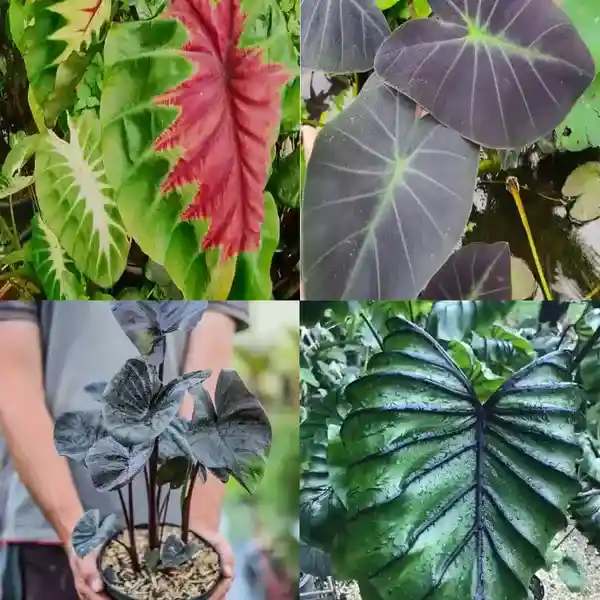

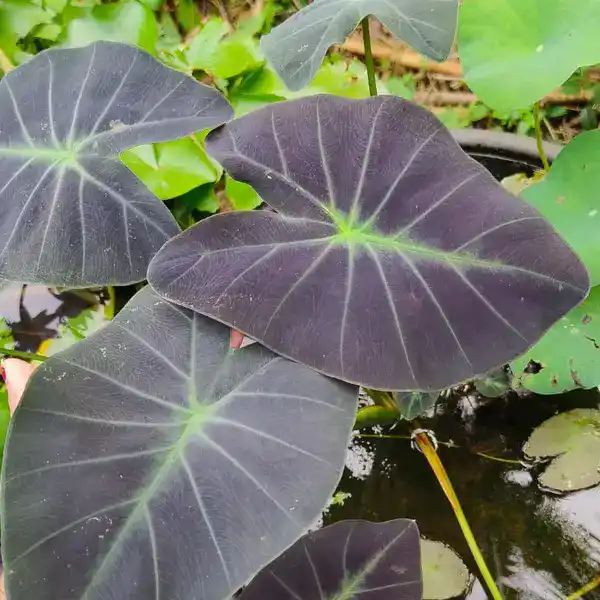

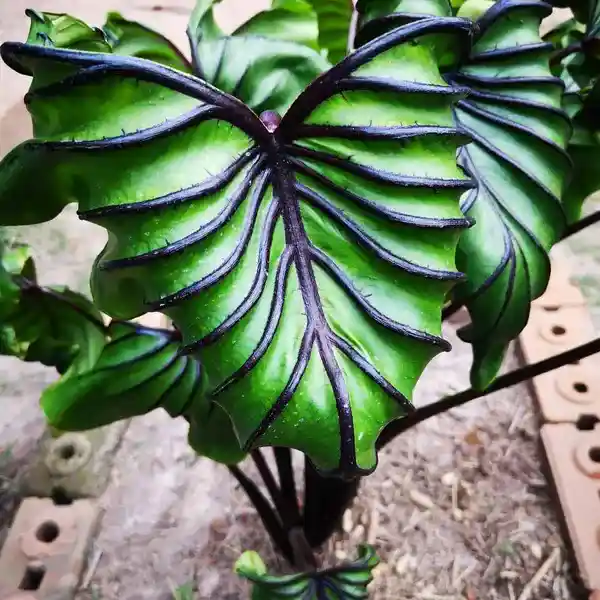
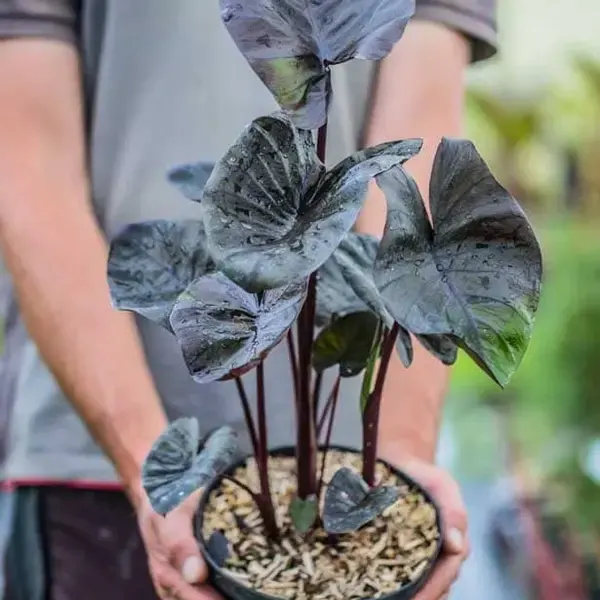
Colocasia 4 Varieties Pack
Original price was: ₹2,999.00.₹1,499.00Current price is: ₹1,499.00.
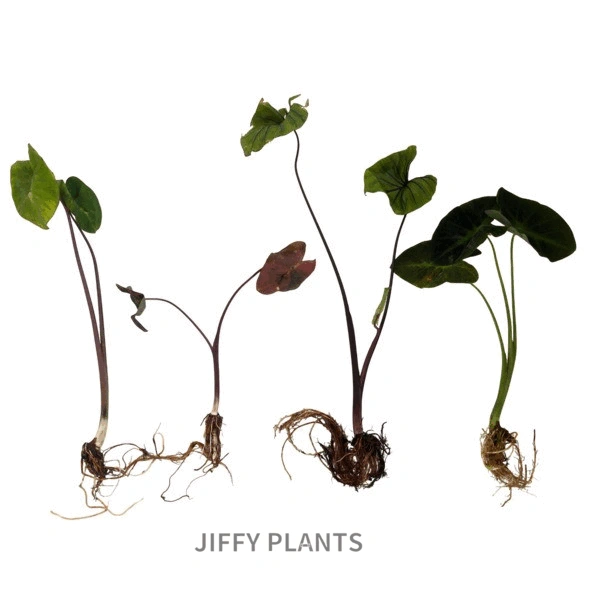
Selling Part : A Rhizome | Secure Packing | Free Delivery
Colocasia 4 Varieties Combo Included
- Pharoph Mask
- Coral Miner
- scrab
- Light Pillar
Colocasia, commonly known as Elephant Ear plants or Taro, are highly popular in India due to their striking large, heart-shaped leaves and tropical appeal. They are grown both for their ornamental value and, in the case of Colocasia esculenta, for their edible corms and leaves. Given that you’re in India, the climate is generally favorable for their growth.
Here’s a comprehensive guide to caring for Colocasia plants:
1. Light:
- Bright Indirect Light to Partial Shade is Ideal: Colocasia plants prefer bright, indirect light. This means they should be in a well-lit spot but protected from intense, direct midday sun, which can scorch their large leaves.
- Outdoors: A location that receives morning sun and afternoon shade, or dappled sunlight throughout the day, is usually best. The darker the leaf variety, generally the more sun it can tolerate to maintain its color.
- Indoors: Place them near a bright window with filtered light, such as an east or north-facing window. If using a south or west-facing window, a sheer curtain can diffuse the light.
- Avoid: Prolonged direct sunlight (especially in hot Indian summers) can burn the leaves. Too much shade can lead to leggy growth and smaller leaves.
2. Water:
- Water-Loving Plants / Consistently Moist: Colocasias are tropical plants that naturally grow in moist to boggy areas. They need a lot of water.
- Maintain Consistent Moisture: Keep the soil consistently moist but not waterlogged. Water when the top inch or two of soil feels dry. Never let the soil dry out completely, especially during the active growing season (spring to early fall).
- Frequency: In hot and humid Indian weather, you might need to water daily, particularly for potted plants. Reduce watering in late fall and winter when the plant’s growth slows, but still ensure the soil doesn’t completely dry out.
- Drainage (Important for Pots): While they love water, good drainage is still crucial for potted plants to prevent root rot. Ensure your pots have drainage holes. If planting in a boggy area or near a pond, they will thrive.
3. Soil:
- Rich, Well-Draining, Moisture-Retentive: Colocasias thrive in fertile, loose, well-draining soil that also retains moisture well.
- Ideal Mix: A good potting mix should contain plenty of organic matter like compost, peat moss, or coco coir. Adding some vermicompost can further enrich the soil and improve water retention.
- pH: They prefer slightly acidic to neutral soil (pH 5.5-7.0).
- Mulch: Applying a 2-4 inch layer of organic mulch around the base of the plant (keeping it away from the stem) helps conserve soil moisture, regulate soil temperature, and suppress weeds.
4. Temperature and Humidity:
- Warmth is Key: Being tropical plants, Colocasia love warmth. They flourish in temperatures between 21-29°C (70-85°F).
- Frost Tender: They are very sensitive to cold. If temperatures drop below 10°C (50°F), the plant can be damaged or die back.
- India Specific: In most parts of India, they can grow as perennials. In regions with milder winters, they might remain evergreen. In areas with a distinct cold season (like some northern parts of India), the foliage might die back, and the corms may need to be protected or stored indoors.
- High Humidity: High humidity is essential for lush, vibrant growth.
- Indoors: If growing indoors, especially in dry environments, mist the leaves regularly or use a humidifier. Placing the pot on a pebble tray filled with water can also increase local humidity.
- Outdoors: The natural humidity in many parts of India is conducive to their growth.
5. Fertilizing:
- Heavy Feeders: Colocasias are heavy feeders due to their rapid growth and large leaves.
- Growing Season (Spring to Early Fall): Fertilize regularly every 2-4 weeks with a balanced, water-soluble fertilizer. A fertilizer higher in nitrogen can promote lush foliage.
- Organic Options: Incorporating rich compost or vermicompost into the soil every few months also provides a slow and steady release of nutrients.
- Reduce in Winter: Reduce or stop fertilizing in late fall and winter when the plant’s growth naturally slows down.
6. Pruning and Maintenance:
- Remove Old Leaves: Regularly remove any yellow, brown, or damaged leaves by cutting them at the base of the stem. This keeps the plant healthy and encourages new growth.
- Manage Size: If the plant becomes too large or unruly, you can trim back older stems. They are quite resilient and will bounce back with fresh foliage.
- Repotting: For potted plants, repot every 1-2 years or when the plant becomes root-bound. Choose a pot one size larger to accommodate its growing root system.
7. Pests and Diseases:
- Colocasias are generally quite robust, but they can face some issues:
- Pests: Watch for common pests like spider mites (especially in dry conditions), aphids, mealybugs, and sometimes armyworms or whiteflies. Inspect your plants regularly. For minor infestations, wipe leaves with a damp cloth. For more severe cases, use insecticidal soap or neem oil.
- Diseases:
- Taro Leaf Blight (Phytophthora colocasiae): This is a significant disease, particularly in India’s northern and eastern regions. Symptoms include water-soaked spots that enlarge, turn dark brown, and can lead to entire leaf collapse. Good air circulation, resistant varieties, and fungicides (like copper-based fungicides or Mancozeb) can help manage it.
- Corm Rot: Can be caused by various pathogens, including Phytophthora species, especially in waterlogged conditions. Ensure good drainage.
- Soft Rot: A bacterial disease causing softening of plant tissues.
- Prevention: Good cultural practices (proper watering, light, air circulation, sanitation) are your first line of defense.
8. Dormancy and Overwintering (in cooler Indian regions):
- In parts of India with distinct cold winters, Colocasia may go dormant.
- The foliage will die back after the first cold snap.
- You can cut back the foliage to ground level.
- For outdoor plants: Dig up the corms (bulbs) from the ground, allow them to dry for a few days in a shaded, well-ventilated area, and then store them in a cool, dry, dark, frost-free place (e.g., in a box with peat moss, sand, or sawdust) until spring.
- For potted plants: You can move the entire pot indoors to a warm, bright spot and reduce watering significantly until growth resumes in warmer months.
Important Note on Toxicity: Colocasia plants contain calcium oxalate crystals, which can cause irritation if ingested. Keep them out of reach of curious pets and children. It’s advisable to wear gloves when handling them if you have sensitive skin.
By following these care tips, your Colocasia plants will thrive and bring a lush, tropical ambiance to your garden or home in India.
You must be logged in to post a review.
Related products
-
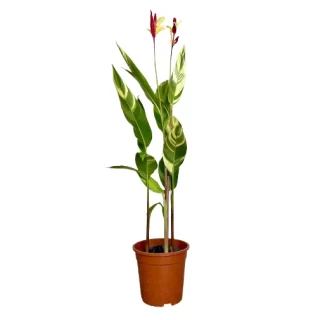
Heliconia Variegated – Super Rare
Original price was: ₹2,599.00.₹1,099.00Current price is: ₹1,099.00.Add to cartPlant size: Single plant | Pot Included | Free shipping The Variegated Heliconia (often a cultivar of Heliconia psittacorum, like ‘Lady Di’ or ‘Golden Torch’) is a striking tropical plant known for its banana-like leaves splashed with stripes of cream, yellow, or white. It is a demanding plant, requiring specific tropical conditions to thrive, especially …
-
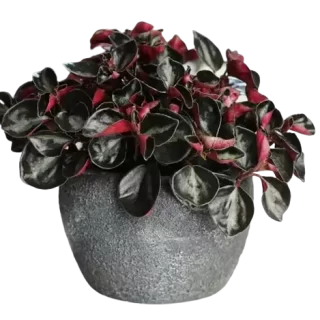
Columbian Peperomia (Galaxy pepperomia)
Original price was: ₹345.00.₹183.65Current price is: ₹183.65.Read moreSelling size:Well rooted plant in a jiffy bag The Columbian Peperomia (Peperomia metallica var. columbiana) is a visually striking and relatively low-maintenance houseplant. It is also sometimes sold as “Galaxy Peperomia,” a name that hints at its unique foliage. This plant is known for its beautiful, semi-succulent leaves that have a dark green or bronze-purple …
-
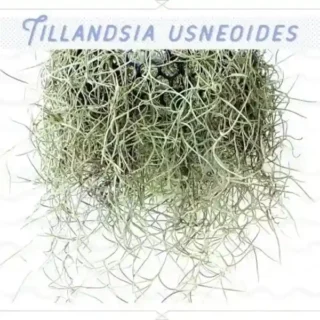
Spanish Moss Air Plant
Price range: ₹49.00 through ₹1,699.00Select options This product has multiple variants. The options may be chosen on the product pageSelling size: PLEASE CHOOSE Spanish Moss Air Plant – CARE INSTRUCTIONS Scientific name: Tillandsia usneoides Synonyms: Old man’s beard, Spanish Moss, French Hair, Spanish Beard Spanish Moss is a delicate silvery-grey air plant that is often used to hang in trees or as a gorgeous decor piece without the need for soil. Despite its name, Spanish Moss …
-
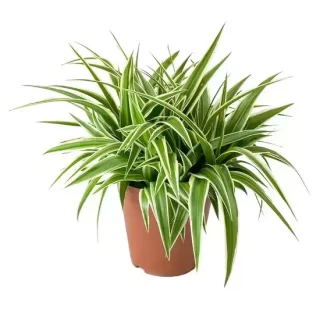
Chlorophytum Spider Live Plant
Original price was: ₹249.00.₹99.00Current price is: ₹99.00.Add to cartSelling size: Well rooted Single plant | 2.5″ Pot included Chlorophytum Spider, also the Spider Plant is an impressive houseplant which is the perfect plant for any beginner. A NASA certified air purifier, its long, green foliage with white variegations look good in both hanging planters and as desktop setups. In favourable conditions, it blooms …
-
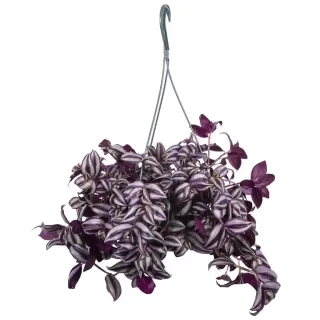
Wandering Jew Plant
Original price was: ₹305.00.₹149.00Current price is: ₹149.00.Add to cartSelling size: This plant comes in a 2.5″ Square pot The Wandering Jew Plant, also known as the Tradescantia! They’re such vibrant and easy-to-love plants. To keep yours thriving, here’s a rundown of Wandering Jew Plant care needs: Light: They absolutely love bright, indirect sunlight. Think of a spot near an east- or west-facing window …
-
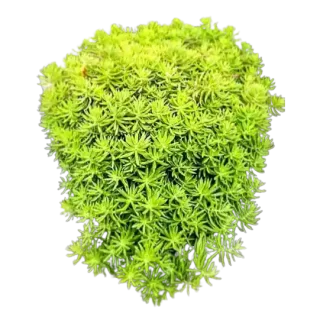
Golden Sedum Plant
Original price was: ₹549.00.₹349.00Current price is: ₹349.00.Add to cartSelling size: Well rooted plan | 2.5″ pot included The Golden Sedum (Sedum adolphii) is a popular succulent known for its bright, fleshy, evergreen leaves that can take on a beautiful golden-yellow or even reddish-pink tint in bright sun. It has a trailing or spreading growth habit, making it a great choice for hanging baskets, …
-
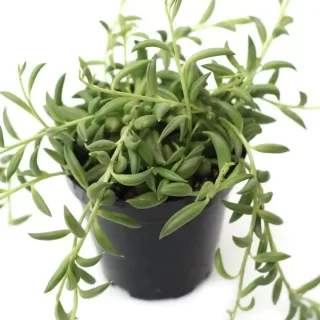
String of Bananas
Original price was: ₹450.00.₹249.00Current price is: ₹249.00.Add to cartSelling size: Mentioned in last Picture | Secure Packing The String of Bananas (Curio radicans or Senecio radicans) is a charming trailing succulent known for its long, cascading stems covered in plump, banana-shaped leaves. It’s a popular choice for hanging baskets and is generally easy to care for, especially for those who are new …
-
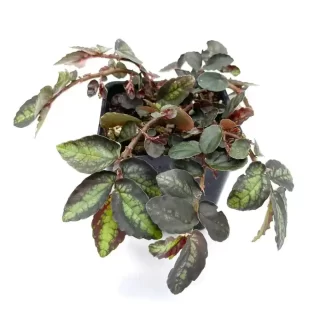
Pellionia repens var. pulchra
Original price was: ₹325.00.₹149.00Current price is: ₹149.00.Add to cartSelling size: Well rooted plant in a jiffy bag | Secure Packing The Pellionia repens var. pulchra, often called the Trailing Watermelon Begonia, is a beautiful and easy-to-care-for trailing plant. Its common name comes from the striking, patterned leaves that resemble the rind of a watermelon. Despite the name, it is not a true begonia …
 If you need any assistance, I'm always here. Have you found what you were looking for?
Reviews
There are no reviews yet.