


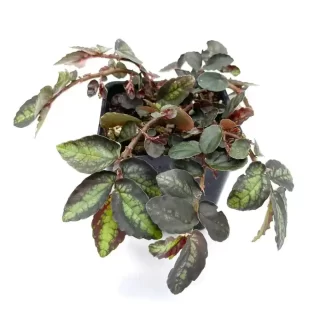
begonia heracleifolia
Original price was: ₹849.00.₹449.00Current price is: ₹449.00.
Selling Size : Single Plant | Pot Included | Secure Packing
Begonia heracleifolia, often admired for its bold, maple-like foliage and striking texture, is a beautiful species begonia that makes an excellent statement plant for indoor collections. Native to Mexico and Central America, this begonia belongs to the rhizomatous group, meaning it grows from thick, creeping rhizomes rather than upright stems. With the right care, Begonia heracleifolia is relatively easy to maintain and rewards growers with lush foliage year-round.
Begonia heracleifolia Care Guide :
Light Requirements
Begonia heracleifolia prefers bright, indirect light. In its natural habitat, it grows under forest canopies where sunlight is filtered. Indoors, place the plant near an east- or north-facing window where it can receive gentle morning light. If grown near a south- or west-facing window, use a sheer curtain to diffuse harsh sunlight. Direct sun can scorch the leaves, causing brown patches and faded color. Too little light, on the other hand, may result in slow growth and dull foliage.
Watering
Proper watering is crucial for healthy growth. Water Begonia heracleifolia when the top 2–3 cm of soil feels dry. The soil should remain lightly moist but never soggy. Overwatering can lead to rhizome rot, while underwatering may cause wilting and crispy leaf edges. Always ensure the pot has good drainage so excess water can escape easily. During cooler months or periods of slow growth, reduce watering frequency.
Humidity
As a tropical plant, Begonia heracleifolia thrives in moderate to high humidity, ideally between 50–70%. Dry indoor air can cause leaf edges to brown or curl. You can increase humidity by placing the plant on a pebble tray filled with water, grouping it with other plants, or using a humidifier. Avoid misting directly onto the leaves frequently, as wet foliage combined with poor air circulation can encourage fungal problems.
Temperature
This begonia prefers warm, stable temperatures ranging between 18–28°C. It is sensitive to cold drafts and sudden temperature drops. Keep the plant away from air conditioners, heaters, or open windows during cooler weather. Temperatures below 12°C can stress the plant and slow its growth significantly.
Soil and Potting
Begonia heracleifolia grows best in a well-draining, airy potting mix. A mix designed for begonias or a combination of coco peat, perlite, and compost works well. The rhizomatous nature of the plant means it prefers shallow, wide pots rather than deep ones. Repot only when the plant becomes crowded or when rhizomes start growing over the pot’s edge, usually every 1–2 years.
Fertilizing
Feed the plant with a balanced, water-soluble fertilizer diluted to half strength every 3–4 weeks during the active growing season (spring and summer). Avoid over-fertilizing, as this can lead to salt buildup and leaf damage. Reduce or stop feeding during autumn and winter when growth slows.
Pruning and Maintenance
Remove yellowing or damaged leaves regularly to keep the plant looking neat and to prevent disease. Light pruning also encourages fresh growth. Clean the leaves gently with a soft brush or dry cloth to remove dust, as large textured leaves can collect debris easily.
Common Problems
Begonia heracleifolia may occasionally face issues such as powdery mildew, root rot, or spider mites, especially in poor airflow or low humidity. Good air circulation, proper watering, and regular inspection help prevent most problems. If pests appear, treat promptly with neem oil or a mild insecticidal soap.
Propagation
This begonia is easy to propagate through rhizome division or leaf cuttings. Healthy rhizomes can be cut and planted in fresh soil, where they will quickly produce new growth under warm, humid conditions.
Related products
-
Scindapsus Pictus Exotica
Original price was: ₹380.00.₹99.00Current price is: ₹99.00.Add to cartSelling size: Single Plant | 2.5″ Pot Included The Scindapsus Pictus Exotica, also known as the silver pothos, is a houseplant with large, dark green leaves that have silver spots and mottling. Here’s a guide to caring for your Scindapsus pictus Exotica plant: Light: Prefers bright, indirect light. An east or west-facing window that’s about …
-
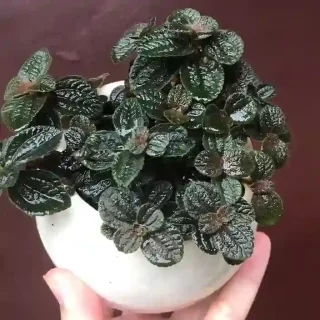
Pilea Repens, Black Panamiga
Original price was: ₹280.00.₹149.00Current price is: ₹149.00.Add to cartSize: Single Plant | Jiffy Bag Caring for a Pilea Ripens (also known as Black Panamiga) involves understanding its specific needs to ensure it thrives. Here’s a breakdown of Pilea Repens, Black Panamiga key care aspects: Key Care Points: Light: Pilea repens prefers bright, indirect sunlight. Direct sunlight can scorch its leaves. Rotating the plant …
-
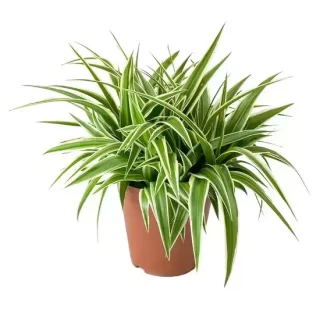
Chlorophytum Spider Live Plant
Original price was: ₹249.00.₹99.00Current price is: ₹99.00.Add to cartSelling size: Well rooted Single plant | 2.5″ Pot included Chlorophytum Spider, also the Spider Plant is an impressive houseplant which is the perfect plant for any beginner. A NASA certified air purifier, its long, green foliage with white variegations look good in both hanging planters and as desktop setups. In favourable conditions, it blooms …
-
Spanish Moss Air Plant
Price range: ₹49.00 through ₹1,699.00Select options This product has multiple variants. The options may be chosen on the product pageSelling size: PLEASE CHOOSE Spanish Moss Air Plant – CARE INSTRUCTIONS Scientific name: Tillandsia usneoides Synonyms: Old man’s beard, Spanish Moss, French Hair, Spanish Beard Spanish Moss is a delicate silvery-grey air plant that is often used to hang in trees or as a gorgeous decor piece without the need for soil. Despite its name, Spanish Moss …
-
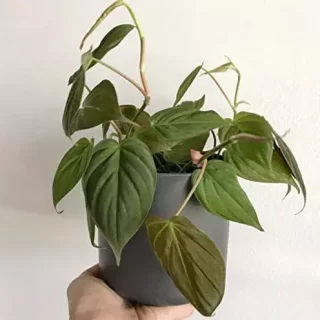
Philodendron Mican plant
Original price was: ₹650.00.₹99.00Current price is: ₹99.00.Add to cartSelling size: A well rooted plant | 2.5″ Pot Included The Philodendron Micans (Philodendron hederaceum ‘Micans’), also known as the Velvet-Leaf Philodendron, is a popular, easy-care trailing or climbing houseplant prized for its unique, velvety, heart-shaped leaves that emerge a beautiful chartreuse/pink and mature to a deep, iridescent, bronze-green with hints of purple. Here is …
-
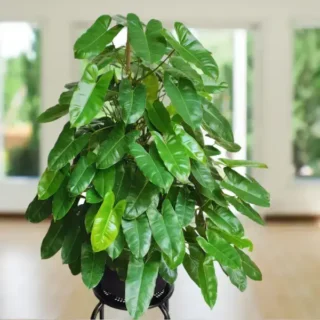
Philodendron Burle Marx Plant
Original price was: ₹485.00.₹149.00Current price is: ₹149.00.Add to cartSelling size: Single plant | Pot Included | Secure Packing The Philodendron Burle Marx is a fantastic and relatively easy-to-care-for plant, known for its glossy, spade-shaped leaves and dense, clumping growth. It’s often recommended as a great choice for beginner houseplant owners. Here is a comprehensive care guide for your Philodendron Burle Marx: Light …
-
Pellionia repens var. pulchra
Original price was: ₹325.00.₹149.00Current price is: ₹149.00.Add to cartSelling size: Well rooted plant in a jiffy bag | Secure Packing The Pellionia repens var. pulchra, often called the Trailing Watermelon Begonia, is a beautiful and easy-to-care-for trailing plant. Its common name comes from the striking, patterned leaves that resemble the rind of a watermelon. Despite the name, it is not a true begonia …
-
Black zz plant, Raven ZZ Plant
Price range: ₹99.00 through ₹499.00Select options This product has multiple variants. The options may be chosen on the product pageSelling size: Please Choose (Single – Bushy) | 2.5″-5” Pot Included | Secure Packing The Black ZZ Plant, or Raven ZZ Plant (Zamioculcas zamiifolia ‘Raven’), is a popular, exceptionally resilient houseplant known for its striking, nearly black foliage. It shares the easy-care nature of the standard green ZZ plant, making it perfect for beginners or …



 If you need any assistance, I'm always here. Have you found what you were looking for?