
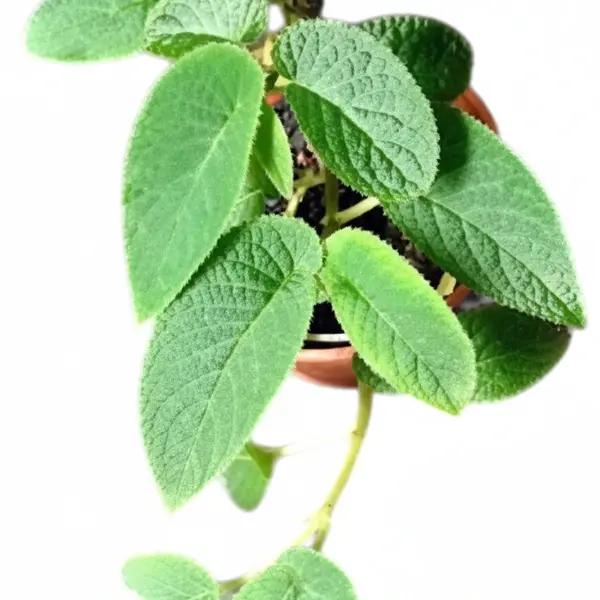
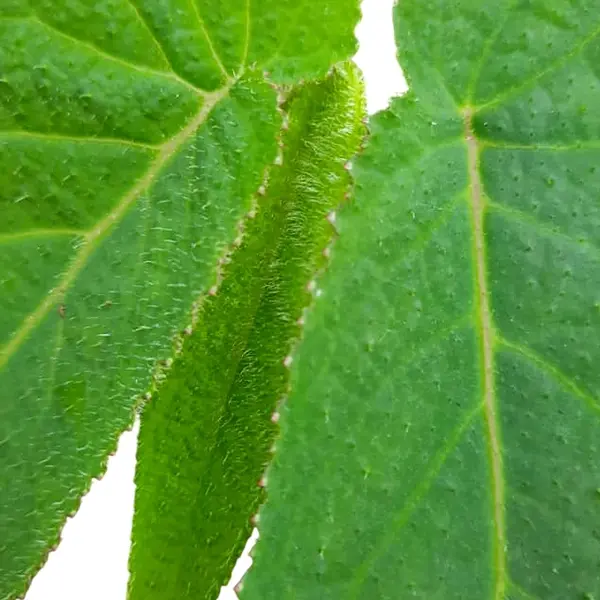
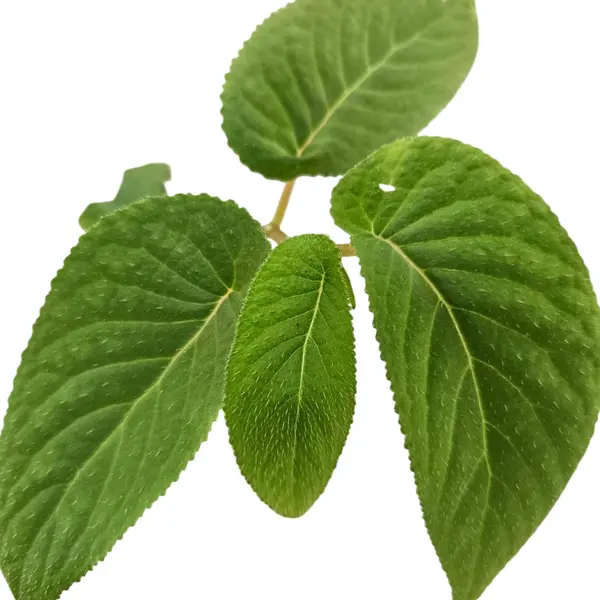
Begonia egregia, Brazil
Original price was: ₹2,000.00.₹1,769.00Current price is: ₹1,769.00.
Selling Size : Single Plant | Pot Included | Secure Packing | Free Delivery
Begonia egregia, Brazil is a rare and beautiful Brazilian species prized for its textured foliage and compact growth. Native to humid forest regions of Brazil, this begonia thrives in controlled indoor environments, terrariums, and shaded greenhouse setups. With the right balance of humidity, light, and moisture, it can become a striking collector’s plant.
Begonia egregia, Brazil – Care Guide :
Light Requirements
Begonia egregia prefers bright, indirect light. In its natural habitat, it grows under forest canopy where sunlight is filtered. Place the plant near an east- or north-facing window, or a few kilometers — sorry, a few feet — away from a bright south/west window behind a sheer curtain. Avoid direct sunlight, which can scorch the leaves and fade their color. Too little light, however, will cause slow growth and leggy stems. Under artificial grow lights, keep it about 20–30 cm below the light source for healthy development.
Temperature
This Brazilian species enjoys warm, stable temperatures between 18–26°C. Avoid exposure to temperatures below 15°C, as cold stress can damage foliage and roots. Sudden temperature swings should be avoided — keep it away from air conditioners, heaters, and cold drafts from windows or doors.
Humidity
High humidity is one of the most important factors for success. Aim for 65–85% humidity. Begonia egregia performs exceptionally well in terrariums, plant cabinets, or enclosed growing spaces. If grown in open rooms, use a humidifier or place the pot on a pebble tray with water (without the pot base touching water). Low humidity can lead to crispy leaf edges and stalled growth.
Watering
Keep the soil consistently lightly moist but never soggy. Water when the top layer of the growing medium begins to dry slightly. Overwatering can cause root rot, while letting the soil dry completely can stress the plant and lead to leaf drop. Use room-temperature water and ensure excess water drains freely. Good drainage is essential — this plant does not like “wet feet.”
Soil Mix
Begonia egregia prefers a loose, airy, fast-draining substrate that still holds some moisture. A good mix includes:
-
Coco peat or peat moss
-
Fine orchid bark
-
Perlite or pumice
-
A little compost or worm castings
The goal is a fluffy mix that allows oxygen to reach the roots while retaining gentle moisture. Heavy garden soil should be avoided.
Fertilizing
Feed lightly but regularly during active growth. Use a balanced liquid fertilizer diluted to ¼–½ strength every 2–3 weeks. Over-fertilizing can burn roots and cause salt buildup, so it’s better to underfeed than overfeed. Reduce feeding during cooler months when growth slows.
Potting and Repotting
This begonia has a relatively fine root system and prefers smaller pots. Repot only when the plant becomes root-bound, usually once every 1–2 years. Choose a pot just one size larger with good drainage holes. Terracotta or plastic both work — plastic retains moisture longer, which can help in drier rooms.
Pruning and Maintenance
Remove yellowing or damaged leaves promptly to prevent fungal issues. Light pinching of tips can encourage bushier growth. Keep foliage dry when watering to reduce disease risk. Good air circulation — especially in terrariums — helps prevent fungal problems.
Propagation
Begonia egregia can be propagated through:
-
Stem cuttings
-
Leaf cuttings
-
Rhizome division (if mature)
Place cuttings in moist sphagnum moss or a light propagation mix under high humidity. Warm temperatures speed rooting.
Common Problems
-
Crispy edges: Low humidity
-
Yellow leaves: Overwatering or poor drainage
-
Drooping: Underwatering or root stress
-
Leaf spots/mold: Excess moisture + poor airflow
Best Growing Setup
For best results, grow Begonia egregia in a terrarium or humidity cabinet with bright indirect light, warm temperatures, and airy substrate. When its environmental needs are met, it rewards growers with unique foliage and steady, compact growth — making it a standout addition to any rare plant collection.
Related products
-
Philodendron Mican plant
Original price was: ₹650.00.₹99.00Current price is: ₹99.00.Add to cartSelling size: A well rooted plant | 2.5″ Pot Included The Philodendron Micans (Philodendron hederaceum ‘Micans’), also known as the Velvet-Leaf Philodendron, is a popular, easy-care trailing or climbing houseplant prized for its unique, velvety, heart-shaped leaves that emerge a beautiful chartreuse/pink and mature to a deep, iridescent, bronze-green with hints of purple. Here is …
-
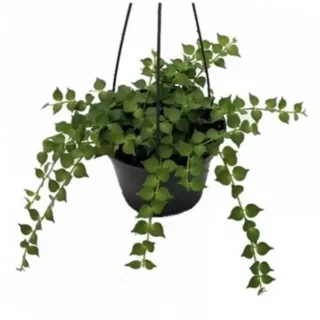
Dischidia Ruscifolia (Million Hearts)
Price range: ₹199.00 through ₹499.00Select options This product has multiple variants. The options may be chosen on the product pagePlant Size: Single plant | 2.5″-6″ Pot Included The Dischidia Ruscifolia (Million Hearts), commonly known as the Million Hearts plant, is a delightful and easy-to-care-for trailing epiphyte. Its name comes from the abundance of small, heart-shaped leaves that densely cover its slender stems. As a member of the same family as Hoyas, its care …
-
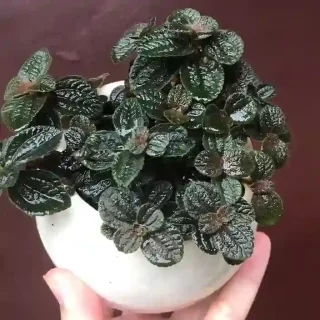
Pilea Repens, Black Panamiga
Original price was: ₹280.00.₹149.00Current price is: ₹149.00.Add to cartSize: Single Plant | Jiffy Bag Caring for a Pilea Ripens (also known as Black Panamiga) involves understanding its specific needs to ensure it thrives. Here’s a breakdown of Pilea Repens, Black Panamiga key care aspects: Key Care Points: Light: Pilea repens prefers bright, indirect sunlight. Direct sunlight can scorch its leaves. Rotating the plant …
-
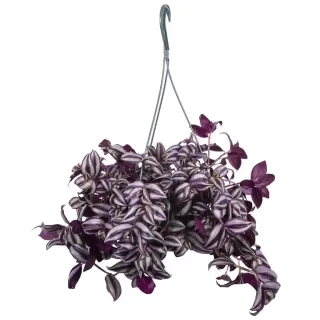
Wandering Jew Plant
Original price was: ₹305.00.₹149.00Current price is: ₹149.00.Add to cartSelling size: This plant comes in a 2.5″ Square pot The Wandering Jew Plant, also known as the Tradescantia! They’re such vibrant and easy-to-love plants. To keep yours thriving, here’s a rundown of Wandering Jew Plant care needs: Light: They absolutely love bright, indirect sunlight. Think of a spot near an east- or west-facing window …
-
Heliconia Variegated – Super Rare
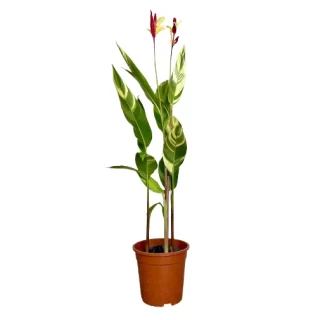
Original price was: ₹2,599.00.₹1,099.00Current price is: ₹1,099.00.Add to cartPlant size: Single plant | Pot Included | Free shipping The Variegated Heliconia (often a cultivar of Heliconia psittacorum, like ‘Lady Di’ or ‘Golden Torch’) is a striking tropical plant known for its banana-like leaves splashed with stripes of cream, yellow, or white. It is a demanding plant, requiring specific tropical conditions to thrive, especially …
-
Black zz plant, Raven ZZ Plant
Price range: ₹99.00 through ₹499.00Select options This product has multiple variants. The options may be chosen on the product pageSelling size: Please Choose (Single – Bushy) | 2.5″-5” Pot Included | Secure Packing The Black ZZ Plant, or Raven ZZ Plant (Zamioculcas zamiifolia ‘Raven’), is a popular, exceptionally resilient houseplant known for its striking, nearly black foliage. It shares the easy-care nature of the standard green ZZ plant, making it perfect for beginners or …
-
Spanish Moss Air Plant
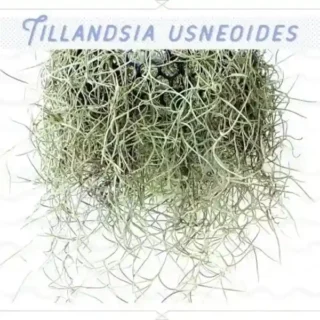
Price range: ₹49.00 through ₹1,699.00Select options This product has multiple variants. The options may be chosen on the product pageSelling size: PLEASE CHOOSE Spanish Moss Air Plant – CARE INSTRUCTIONS Scientific name: Tillandsia usneoides Synonyms: Old man’s beard, Spanish Moss, French Hair, Spanish Beard Spanish Moss is a delicate silvery-grey air plant that is often used to hang in trees or as a gorgeous decor piece without the need for soil. Despite its name, Spanish Moss …

 If you need any assistance, I'm always here. Have you found what you were looking for?