
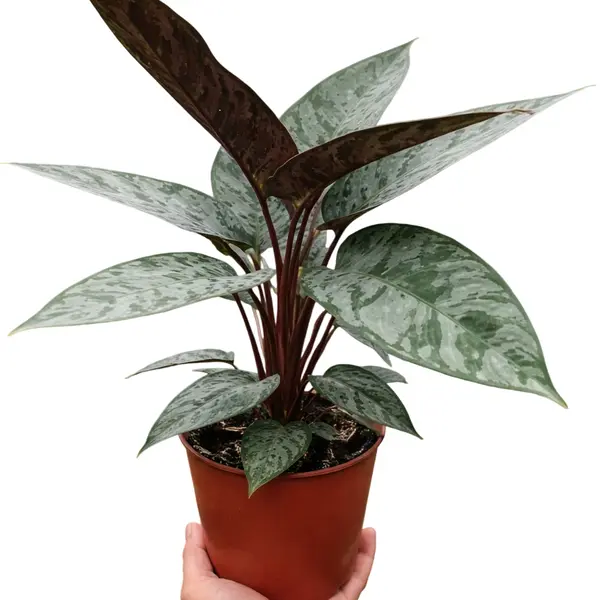
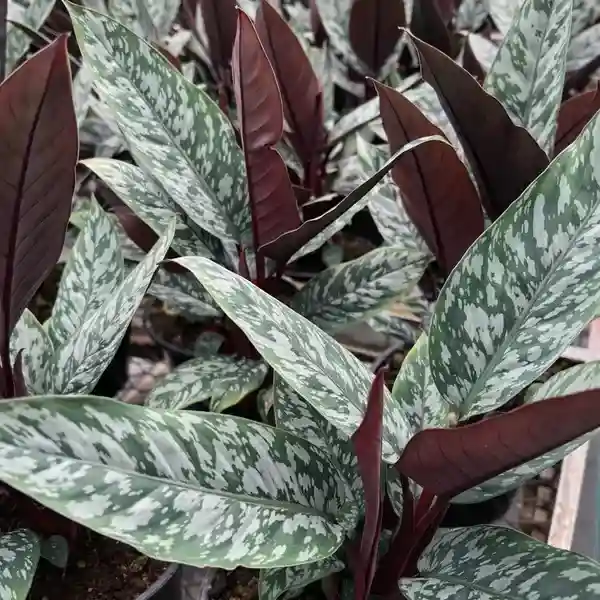
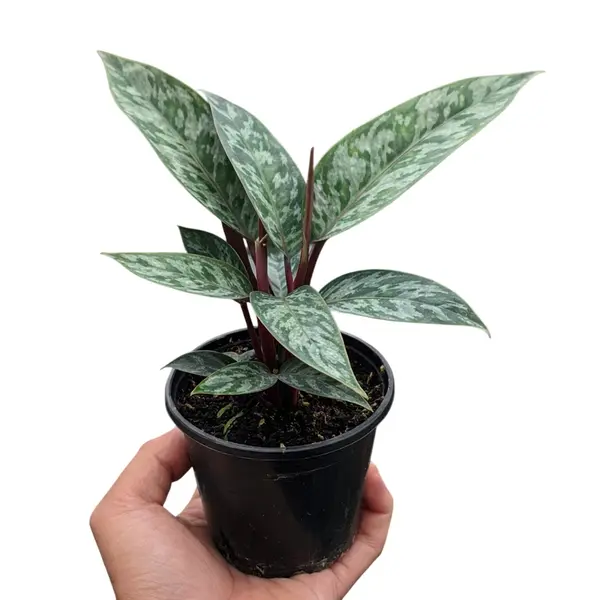
Apoballis ‘Purple Sword’
Original price was: ₹800.00.₹349.00Current price is: ₹349.00.
2 in stock
Selling Size : Single Plant | Pot Included | Secure Packing
Apoballis ‘Purple Sword’ is a striking tropical foliage plant admired for its elongated, sword-shaped leaves with silvery-green patterns on the upper surface and rich purple to burgundy undersides. Closely related to Aglaonema and Alocasia, this plant combines exotic beauty with relatively easy care, making it an excellent choice for both collectors and indoor plant enthusiasts.
Apoballis ‘Purple Sword’ – Complete Care Guide :
Light Requirements
Apoballis ‘Purple Sword’ thrives in bright, indirect light. Adequate light helps maintain strong leaf coloration and compact growth. It can tolerate medium light conditions but may grow more slowly. Avoid direct sunlight, especially harsh afternoon sun, as it can scorch the leaves and fade the silver markings. East- or north-facing windows are ideal for indoor placement.
Watering
Keep the soil consistently moist but never soggy. Water thoroughly when the top 2–3 cm of soil begins to dry. Overwatering can lead to root rot, while prolonged dryness may cause leaf drooping or browning edges. Ensure excess water drains freely from the pot. During cooler months, reduce watering frequency slightly.
Soil & Potting Mix
A well-draining, airy potting mix is essential. Use a blend of cocopeat or peat moss, perlite, and organic compost. Adding a small amount of orchid bark or coarse sand improves aeration and prevents compaction. Always choose pots with drainage holes to protect the root system.
Humidity
Apoballis ‘Purple Sword’ prefers moderate to high humidity (60–80%). Higher humidity enhances leaf texture and prevents crispy edges. Regular misting, a pebble tray, or placing the plant near a humidifier is beneficial, especially in dry indoor environments or during hot summers.
Temperature
This plant thrives in warm conditions between 18–30°C. It is sensitive to cold and should be protected from temperatures below 15°C. Avoid exposure to cold drafts, air conditioners, or sudden temperature changes, as these can stress the plant and slow growth.
Fertilization
Feed the plant every 3–4 weeks during the growing season (spring and summer) using a diluted organic or balanced liquid fertilizer. Avoid over-fertilizing, as excess nutrients can burn the roots and damage foliage. Reduce feeding during autumn and winter when growth slows.
Pruning & Maintenance
Minimal pruning is required. Remove yellowing or damaged leaves using clean, sterilized scissors to maintain appearance and encourage healthy growth. Gently wipe the leaves with a damp cloth to remove dust and improve photosynthesis.
Repotting
Repot every 1–2 years, preferably during spring, or when roots become crowded. Choose a pot only slightly larger than the previous one to avoid excess moisture retention.
Pests & Problems
Apoballis is relatively pest-resistant but may occasionally attract spider mites, mealybugs, or aphids. Regular inspection and early treatment with neem oil or insecticidal soap keeps problems under control. Most issues arise from overwatering or low humidity.
Toxicity
Like many aroids, Apoballis ‘Purple Sword’ is toxic if ingested. Keep it away from children and pets.
Final Note
With its dramatic foliage, rich purple tones, and manageable care needs, Apoballis ‘Purple Sword’ is a standout plant for indoor collections, shaded balconies, and tropical-style interiors. With proper light, humidity, and watering, it will reward you with stunning, long-lasting foliage.
Related products
-
Philodendron Mican plant
Original price was: ₹650.00.₹99.00Current price is: ₹99.00.Add to cartSelling size: A well rooted plant | 2.5″ Pot Included The Philodendron Micans (Philodendron hederaceum ‘Micans’), also known as the Velvet-Leaf Philodendron, is a popular, easy-care trailing or climbing houseplant prized for its unique, velvety, heart-shaped leaves that emerge a beautiful chartreuse/pink and mature to a deep, iridescent, bronze-green with hints of purple. Here is …
-
Dischidia nummularia (Pebble Beach/ Button Orchid)
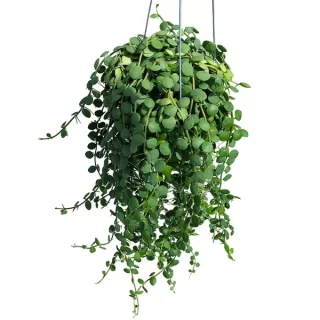
Price range: ₹99.00 through ₹599.00Select options This product has multiple variants. The options may be chosen on the product pagePlant Size: Single plant | 2.5″ Pot Included he Dischidia nummularia, commonly known as the String of Nickels, Pebble Beach plant, or Button Orchid, is a charming epiphyte with trailing stems covered in small, round, succulent-like leaves. It’s a great choice for hanging baskets and is known for being relatively easy to care for, especially …
-
Calathiya Rattlesnake Plant
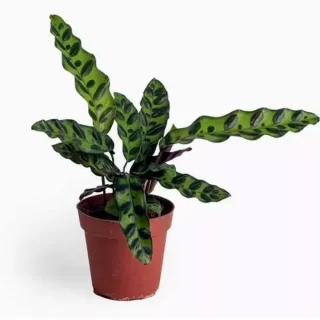
Price range: ₹125.00 through ₹549.00Select options This product has multiple variants. The options may be chosen on the product pageSelling size: Please Choose | Secure Packing | 2.5″-4″ Pot Included Calathiya rattlesnake is a plant easy to care for. However, there are a few measures and precautions you need to take to grow and maintain yours. Here’s a comprehensive guide for rattlesnake plant : Light Calathea Lancifolia prefers bright, indirect light. Like most variegated …
-
String Of Nickels (Dischidia nummularia)
Price range: ₹99.00 through ₹599.00Select options This product has multiple variants. The options may be chosen on the product pageSelling size: Well rooted plant in a Jiffy bag The Dischidia nummularia, commonly known as the String of Nickels or Button Orchid, is a delightful and easy-to-care-for trailing epiphyte. Its common name comes from its small, round, coin-shaped leaves that densely cover its long, slender stems. As a relative of the Hoya, it shares a similar …
-
Spanish Moss Air Plant
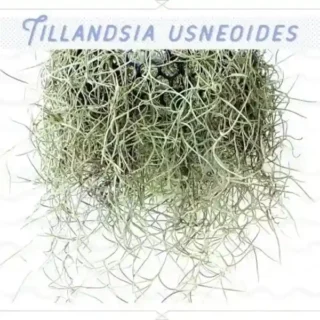
Price range: ₹49.00 through ₹1,699.00Select options This product has multiple variants. The options may be chosen on the product pageSelling size: PLEASE CHOOSE Spanish Moss Air Plant – CARE INSTRUCTIONS Scientific name: Tillandsia usneoides Synonyms: Old man’s beard, Spanish Moss, French Hair, Spanish Beard Spanish Moss is a delicate silvery-grey air plant that is often used to hang in trees or as a gorgeous decor piece without the need for soil. Despite its name, Spanish Moss …
-
Wandering Jew Plant
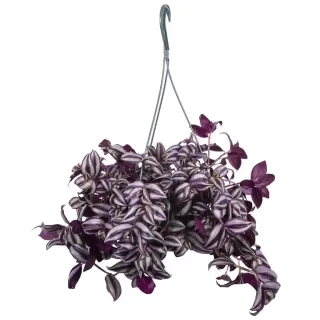
Original price was: ₹305.00.₹149.00Current price is: ₹149.00.Add to cartSelling size: This plant comes in a 2.5″ Square pot The Wandering Jew Plant, also known as the Tradescantia! They’re such vibrant and easy-to-love plants. To keep yours thriving, here’s a rundown of Wandering Jew Plant care needs: Light: They absolutely love bright, indirect sunlight. Think of a spot near an east- or west-facing window …
-
Dischidia Ruscifolia (Million Hearts)
Price range: ₹199.00 through ₹499.00Select options This product has multiple variants. The options may be chosen on the product pagePlant Size: Single plant | 2.5″-6″ Pot Included The Dischidia Ruscifolia (Million Hearts), commonly known as the Million Hearts plant, is a delightful and easy-to-care-for trailing epiphyte. Its name comes from the abundance of small, heart-shaped leaves that densely cover its slender stems. As a member of the same family as Hoyas, its care …


 If you need any assistance, I'm always here. Have you found what you were looking for?