
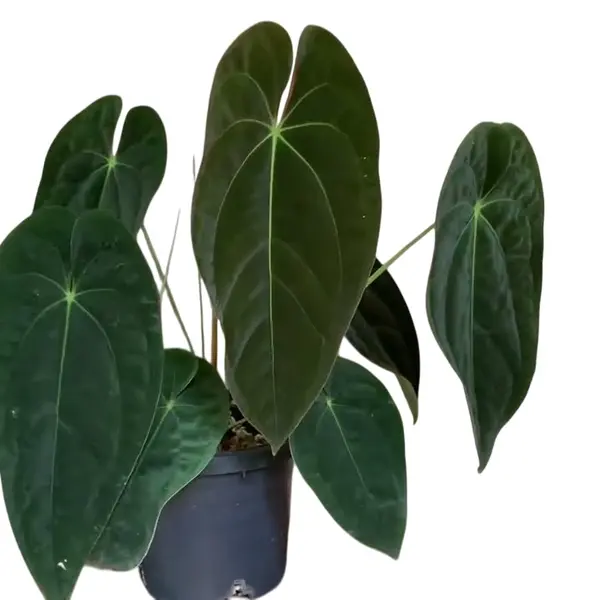
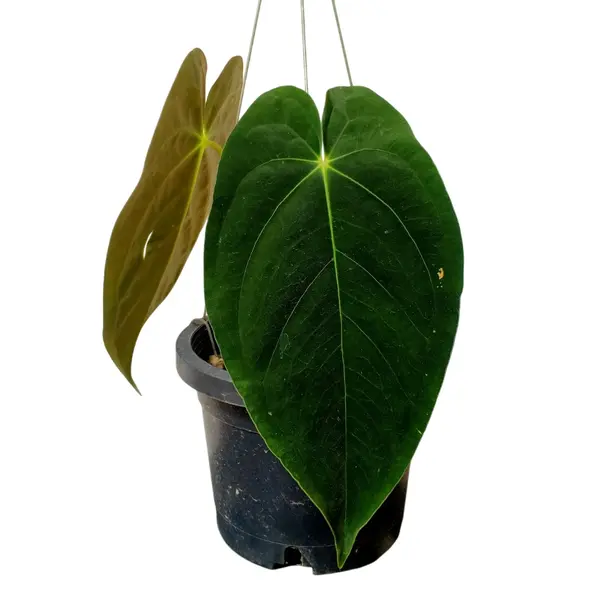
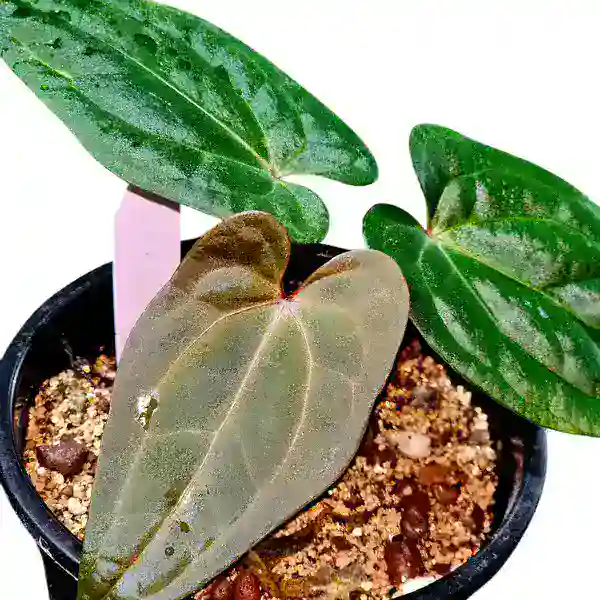
Anthurium Sp. Gunayala
Original price was: ₹12,499.00.₹8,849.00Current price is: ₹8,849.00.
1 in stock
Selling Size : Single Plant | Pot Included | Secure Packing | Free Shipping
The Anthurium genus, including varieties like Anthurium Sp. Gunayala (or similar cultivars such as Anthurium Papillilaminum “Guna Yala”), generally requires care similar to other tropical Aroids. These plants are often native to warm, humid rainforests, so replicating those conditions indoors is key to their success.
Here is a general care guide Anthurium Sp. Gunayala :
1. Light
- Bright, Indirect Light: This is ideal. Place your plant near an east or west-facing window, or a few feet away from a south-facing window. A sheer curtain can help filter intense light.
- Avoid Direct Sun: Direct, harsh sunlight can easily scorch the leaves, leading to bleached or brown spots.
- Low Light: While they can tolerate lower light, too little light will slow growth, lead to fewer or no blooms (for flowering types), and mute the leaf color.
2. Watering
- Keep Substrate Moist, Not Soggy: Water your Anthurium when the top 1 to 2 inches of the potting mix feel dry to the touch.
- Drainage is Crucial: Always ensure the pot has drainage holes, and discard any excess water that collects in the saucer. Anthuriums are highly susceptible to root rot if left in waterlogged soil.
- Watering Frequency: This will vary based on light, temperature, and humidity, but you’ll water more often in the brighter, warmer growing seasons (spring and summer) and less in winter.
3. Humidity
- High Humidity is Essential: Anthuriums thrive in high humidity, ideally 60% or higher. Low humidity can cause browning leaf tips and edges.
- Increase Humidity:
- Use a room humidifier near the plant.
- Place the pot on a pebble tray filled with water (ensure the pot’s base is not sitting in the water).
- Group plants together, as their transpiration helps raise local humidity.
- A bright, humid bathroom is often an excellent location.
- Misting can offer a temporary, minor boost in humidity, but it’s best combined with the methods above and done in the morning to allow the leaves to dry.
4. Temperature
- Warmth is Key: They prefer average to warm temperatures, typically between 65°F to 80°F (18°C to 27°C).
- Avoid Cold: Do not expose the plant to temperatures below 60°F (15°C), as this can damage the foliage and impede growth.
- Drafts: Keep the plant away from cold drafts from windows or air conditioning/heating vents.
5. Soil/Potting Mix
- Coarse and Well-Draining: Since many Anthuriums are epiphytes (growing on other plants in nature), their roots need excellent air circulation and drainage.
- Ideal Mix: Use an Aroid mix or create a blend using components like:
- Orchid bark
- Coir/Coco peat
- Perlite
- Pumice or horticultural charcoal
- Repotting: Repot every 1-3 years or when it is visibly root-bound, choosing a pot only 1 to 2 inches larger in diameter.
6. Fertilizer
- Growing Season: Fertilize monthly during the spring and summer (the active growing season).
- Type: Use a balanced, water-soluble houseplant fertilizer, diluted to half strength. For flowering varieties, a fertilizer higher in phosphorus (the middle number) can encourage more blooms.
- Winter: Reduce or stop fertilizing in the fall and winter when growth naturally slows.
Important Note on Toxicity Anthurium Sp. Gunayala : All parts of the Anthurium plant contain calcium oxalate crystals and are considered toxic if ingested, to both humans and pets. The sap can also cause skin irritation. Handle with care (gloves are recommended) and keep the plant out of reach of children and pets.
You must be logged in to post a review.
Related products
-
Spanish Moss Air Plant
Price range: ₹49.00 through ₹1,699.00Select options This product has multiple variants. The options may be chosen on the product pageSelling size: PLEASE CHOOSE Spanish Moss Air Plant – CARE INSTRUCTIONS Scientific name: Tillandsia usneoides Synonyms: Old man’s beard, Spanish Moss, French Hair, Spanish Beard Spanish Moss is a delicate silvery-grey air plant that is often used to hang in trees or as a gorgeous decor piece without the need for soil. Despite its name, Spanish Moss …
-
Philodendron Xanadu
Original price was: ₹450.00.₹199.00Current price is: ₹199.00.Add to cartSelling size:Well rooted plant | 2.5″ Pot Included | Secure Packing The Philodendron Xanadu, now officially classified as Thaumatophyllum xanadu, is a fantastic and relatively easy-to-care-for houseplant. It’s known for its compact, bushy growth habit and deeply lobed, glossy green leaves that give it a sophisticated, tropical look. Here is a complete guide to caring …
-
Wandering Jew Plant
Original price was: ₹305.00.₹149.00Current price is: ₹149.00.Add to cartSelling size: This plant comes in a 2.5″ Square pot The Wandering Jew Plant, also known as the Tradescantia! They’re such vibrant and easy-to-love plants. To keep yours thriving, here’s a rundown of Wandering Jew Plant care needs: Light: They absolutely love bright, indirect sunlight. Think of a spot near an east- or west-facing window …
-
Columbian Peperomia (Galaxy pepperomia)
Original price was: ₹345.00.₹183.65Current price is: ₹183.65.Read moreSelling size:Well rooted plant in a jiffy bag The Columbian Peperomia (Peperomia metallica var. columbiana) is a visually striking and relatively low-maintenance houseplant. It is also sometimes sold as “Galaxy Peperomia,” a name that hints at its unique foliage. This plant is known for its beautiful, semi-succulent leaves that have a dark green or bronze-purple …
-
Black zz plant, Raven ZZ Plant
Price range: ₹99.00 through ₹499.00Select options This product has multiple variants. The options may be chosen on the product pageSelling size: Please Choose (Single – Bushy) | 2.5″-5” Pot Included | Secure Packing The Black ZZ Plant, or Raven ZZ Plant (Zamioculcas zamiifolia ‘Raven’), is a popular, exceptionally resilient houseplant known for its striking, nearly black foliage. It shares the easy-care nature of the standard green ZZ plant, making it perfect for beginners or …
-
Pilea Repens, Black Panamiga
Original price was: ₹280.00.₹149.00Current price is: ₹149.00.Add to cartSize: Single Plant | Jiffy Bag Caring for a Pilea Ripens (also known as Black Panamiga) involves understanding its specific needs to ensure it thrives. Here’s a breakdown of Pilea Repens, Black Panamiga key care aspects: Key Care Points: Light: Pilea repens prefers bright, indirect sunlight. Direct sunlight can scorch its leaves. Rotating the plant …
-
Scindapsus Pictus Exotica
Original price was: ₹380.00.₹99.00Current price is: ₹99.00.Add to cartSelling size: Single Plant | 2.5″ Pot Included The Scindapsus Pictus Exotica, also known as the silver pothos, is a houseplant with large, dark green leaves that have silver spots and mottling. Here’s a guide to caring for your Scindapsus pictus Exotica plant: Light: Prefers bright, indirect light. An east or west-facing window that’s about …
-
Philodendron Mexicanum
Original price was: ₹1,090.00.₹749.00Current price is: ₹749.00.Add to cartSelling size: Single Plant | Pot included The Philodendron mexicanum is a beautiful vining plant known for its long, arrow-shaped leaves with a striking deep maroon or reddish underside. As its name suggests, it is native to the tropical forests of Mexico. It’s a relatively easy-to-care-for plant, especially for those familiar with other vining philodendrons. …




 If you need any assistance, I'm always here. Have you found what you were looking for?
Reviews
There are no reviews yet.