
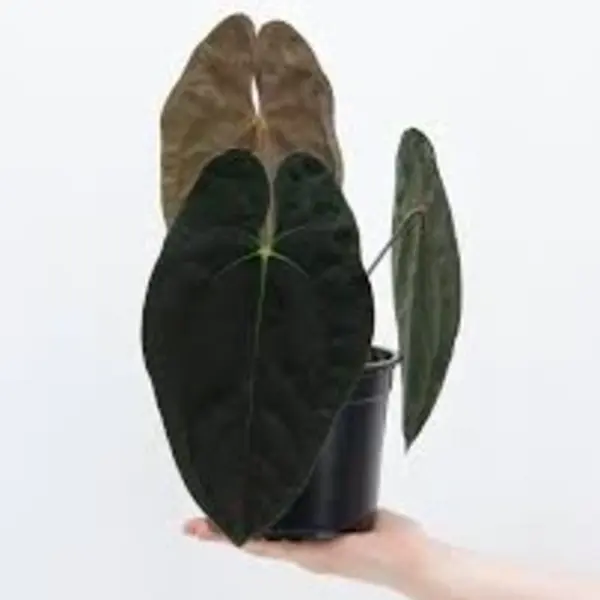
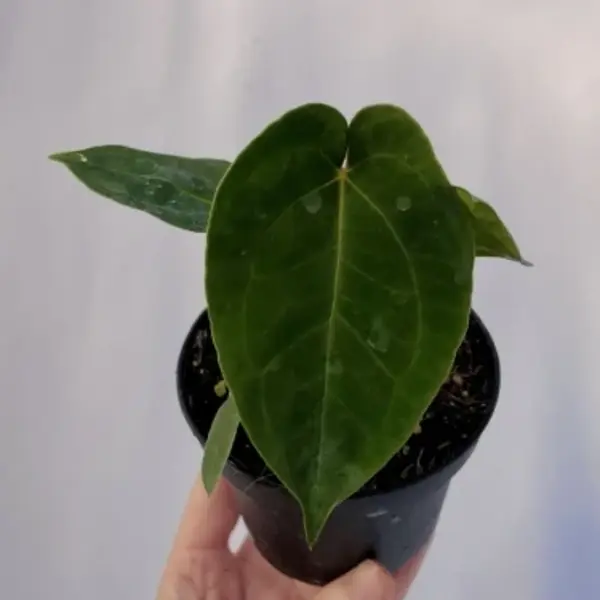
Anthurium Sp Gunayala
Original price was: ₹24,999.00.₹11,499.00Current price is: ₹11,499.00.
3 in stock
Selling Size : Single Plant | Pot Included | Secure Packing | Free Shipping
Anthurium Sp Gunayala is a beautiful and highly sought-after plant, prized by collectors for its elegant, dark green, velvety leaves with a heart-like shape. While its specific origins and classification are sometimes debated (it is often considered a form of Anthurium papillilaminum from the Guna Yala region of Panama), its care requirements are similar to other aroid species from the same tropical, rainforest environment.
Here is a detailed guide to help you care for your Anthurium sp. Guna Yala:
1. Light:
- Bright, indirect light is crucial.
- This plant is native to the understory of the rainforest, where it receives filtered light, not direct sun.
- Avoid direct sunlight, which will scorch its delicate, velvety leaves.
- An east-facing window or a spot several feet away from a south or west-facing window is usually a good location.
- If you are using grow lights, ensure the light is not too intense. The velvety texture of the leaves is an adaptation for low light, so it’s a sign that it doesn’t need as much light as some other aroids.
2. Watering:
- Keep the substrate consistently moist but not soggy.
- Allow the top layer of the soil to dry out slightly before you water again.
- The frequency of watering depends on your specific environment, but a good rule of thumb is to check the soil every few days.
- As with all aroids, ensuring excellent drainage is vital to prevent root rot.
3. Humidity and Temperature:
- High humidity is essential. Aim for 60-70% or higher.
- This is a plant that thrives in a humid environment, so a terrarium, a greenhouse, or a dedicated plant cabinet is an excellent option for it.
- If you are growing it in a regular room, you may need a humidifier to provide the humidity it needs.
- Maintain warm temperatures, ideally between 68°F and 82°F ( to ).
- Protect it from cold drafts and sudden temperature fluctuations.
4. Soil/Substrate:
- Use a well-draining, airy, and rich potting mix.
- A good blend would include components like orchid bark, perlite, sphagnum moss, and coco coir to provide both aeration for the roots and moisture retention.
- Since it’s a terrestrial plant in its native habitat, it can be grown in a pot, but the substrate should mimic the chunky, organic matter it would find on the forest floor.
5. Fertilizer:
- During the active growing season (spring and summer), feed your Anthurium with a diluted, balanced liquid fertilizer every 2-4 weeks.
- Use it at about 1/4 to 1/2 the recommended strength to avoid burning the roots.
- Reduce or stop fertilizing in the fall and winter when growth slows down.
6. Other Tips:
- Clean the leaves gently with a soft, damp cloth to remove dust, which can interfere with the plant’s ability to photosynthesize.
- This is a plant often reserved for more experienced growers due to its specific needs, especially regarding humidity.
- Keep an eye out for common houseplant pests like spider mites and mealybugs, which can thrive in high humidity environments.
You must be logged in to post a review.
Related products
-
Dischidia Oiantha plant
Price range: ₹99.00 through ₹599.00Select options This product has multiple variants. The options may be chosen on the product pagePlant Size: Single plant | Secure Packing The Dischidia oiantha, often referred to as a “Hoya cousin,” is a charming, easy-to-care-for epiphyte with trailing vines and small, oval, succulent-like leaves. It’s a great choice for hanging baskets or for adding a touch of whimsy to a shelf. Here is a comprehensive guide to caring for …
-
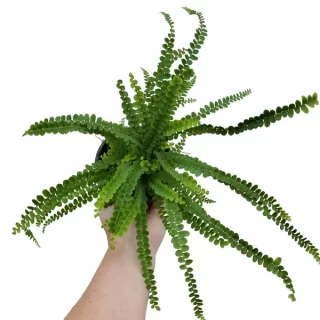
Lemon Button Fern Plant
Original price was: ₹539.00.₹179.00Current price is: ₹179.00.Add to cartSelling Size: Single plant | 2.5″ Pot Included The Lemon Button Fern (Nephrolepis cordifolia ‘Duffii’) is a popular and relatively easy-to-care-for fern. It’s known for its compact, arching fronds with small, button-like leaves and a subtle, lemony scent when you brush against them. Unlike some ferns, it’s a bit more forgiving of indoor conditions, making …
-
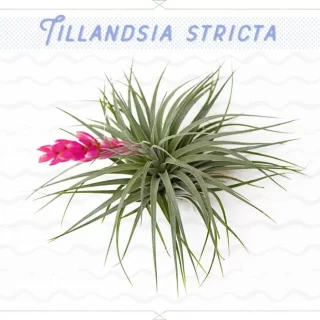
Tillandsia Stricta (Air plant)
Original price was: ₹400.00.₹199.00Current price is: ₹199.00.Add to cartSelling size: Single plant | Secure Packing The Tillandsia Stricta (Air plant) is one of the most popular and adaptable species of air plants, known for its soft, green-silver foliage and beautiful blooms. Like all air plants, it is epiphytic, meaning it absorbs all its water and nutrients through its leaves from the air, not …
-
Calathiya Rattlesnake Plant
Price range: ₹125.00 through ₹549.00Select options This product has multiple variants. The options may be chosen on the product pageSelling size: Please Choose | Secure Packing | 2.5″-4″ Pot Included Calathiya rattlesnake is a plant easy to care for. However, there are a few measures and precautions you need to take to grow and maintain yours. Here’s a comprehensive guide for rattlesnake plant : Light Calathea Lancifolia prefers bright, indirect light. Like most variegated …
-
Chlorophytum Spider Live Plant
Original price was: ₹249.00.₹99.00Current price is: ₹99.00.Add to cartSelling size: Well rooted Single plant | 2.5″ Pot included Chlorophytum Spider, also the Spider Plant is an impressive houseplant which is the perfect plant for any beginner. A NASA certified air purifier, its long, green foliage with white variegations look good in both hanging planters and as desktop setups. In favourable conditions, it blooms …
-
Dischidia Ruscifolia (Million Hearts)
Price range: ₹199.00 through ₹499.00Select options This product has multiple variants. The options may be chosen on the product pagePlant Size: Single plant | 2.5″-6″ Pot Included The Dischidia Ruscifolia (Million Hearts), commonly known as the Million Hearts plant, is a delightful and easy-to-care-for trailing epiphyte. Its name comes from the abundance of small, heart-shaped leaves that densely cover its slender stems. As a member of the same family as Hoyas, its care …






 If you need any assistance, I'm always here. Have you found what you were looking for?
Reviews
There are no reviews yet.