
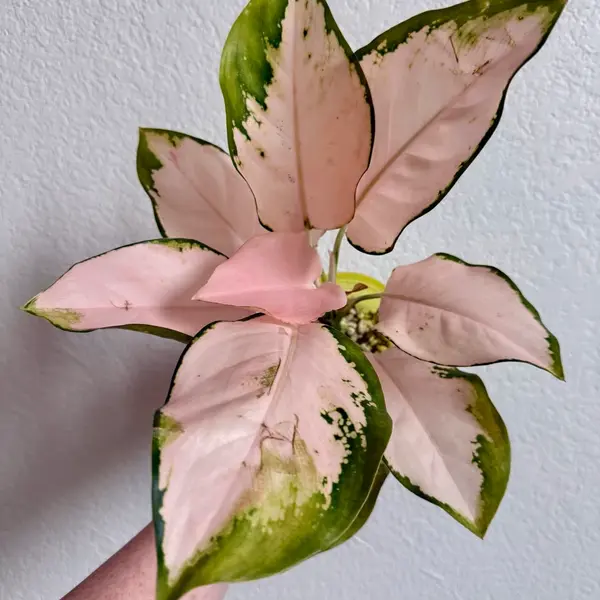
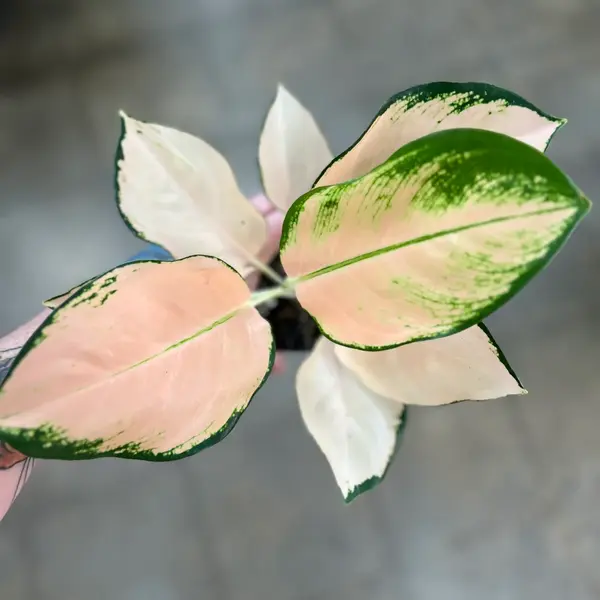
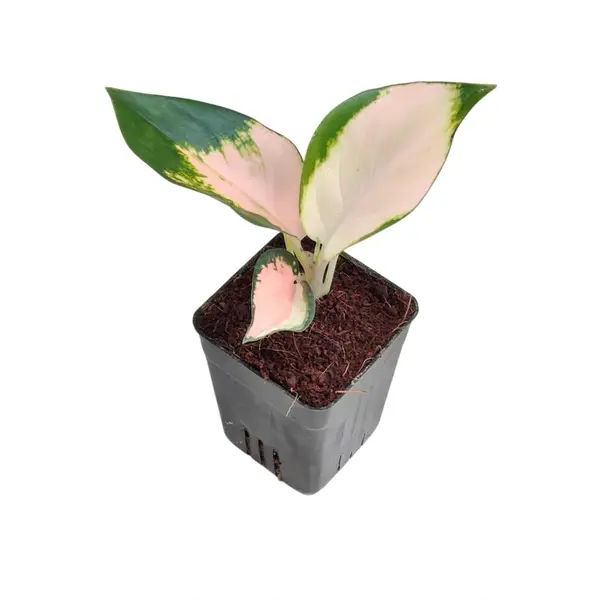
Aglaonema Cochin Peach
Original price was: ₹849.00.₹449.00Current price is: ₹449.00.
Selling Size : Single Plant | Pot Included | Secure Packing
Aglaonema Cochin Peach is one of the most attractive and beginner-friendly indoor plants, loved for its soft peach, cream, and green variegated leaves. This tropical variety from the Aglaonema family grows compactly and thrives even in low-light conditions, making it perfect for homes, offices, and indoor plant décor. With proper care, it stays vibrant year-round and produces lush, full foliage. Below is a complete care guide to help your Cochin Peach grow healthy and beautiful.
Aglaonema Cochin Peach – Complete Care Guide :
Light Requirements
Aglaonema Cochin Peach is adaptable, but it performs best in medium to bright indirect light. Good light helps maintain its peach-toned variegation. While the plant can tolerate low light areas, prolonged low light may cause the colors to fade and growth to slow.
Ideal lighting:
-
East-facing windows are perfect.
-
North-facing rooms also work well.
-
If placed near a south or west window, make sure to use a sheer curtain.
Avoid direct sunlight, especially afternoon sun, as it can scorch the delicate peach-colored leaves and cause brown patches.
Watering Needs
Aglaonema prefers slightly moist soil but should never sit in water. Overwatering is the most common cause of root rot in this plant.
Watering tips:
-
Water when the top 3–4 cm of soil feels dry.
-
Always let excess water drain out completely.
-
Reduce watering frequency during winter months.
Yellow leaves usually indicate overwatering, while drooping or curling leaves often point to underwatering. Room-temperature water is ideal to avoid shocking the roots.
Humidity Requirements
As a tropical species, Aglaonema Cochin Peach enjoys moderate to high humidity, ideally 50–70%. However, it is tolerant of regular indoor humidity levels.
To increase humidity:
-
Keep the plant on a pebble tray.
-
Use a small humidifier nearby.
-
Group it with other indoor plants.
Avoid misting directly on the leaves too often, because water droplets sitting for long can lead to fungal spots.
Temperature Range
Maintain a warm growing environment between 18–30°C. Aglaonema Cochin Peach is sensitive to sudden temperature fluctuations, which can cause wilting or leaf damage.
Avoid placing the plant:
-
Near AC vents
-
Near heaters
-
In drafty windows or doors
Temperatures below 15°C can stunt growth and discolor the foliage.
Soil and Potting Mix
The ideal soil mix for Aglaonemas is light, airy, and well-draining. A slightly chunky mix helps prevent root rot and keeps the plant healthy.
Recommended soil mix:
-
40% cocopeat or peat moss
-
30% perlite
-
20% compost or worm castings
-
10% orchid bark or charcoal
Repot the plant every 1–2 years, or when you notice roots circling the pot. Spring is the best season for repotting.
Fertilization
Feed your Aglaonema Cochin Peach during the active growing season (March–October). Use a balanced liquid fertilizer like NPK 10-10-10 or 20-20-20 diluted to half strength.
Fertilize once every 4–6 weeks.
Avoid over-fertilizing, which can cause tip burn or salt buildup in the soil. During winter, reduce or stop fertilizing since the plant’s growth naturally slows.
Pests and Diseases
This plant is relatively resistant to pests, but it can occasionally attract:
-
Mealybugs
-
Spider mites
-
Aphids
-
Scale
Inspect the undersides of leaves regularly. Wipe the foliage with neem oil solution once every two weeks to keep pests away.
Common problems include:
-
Brown leaf tips – Low humidity or excess salts in soil
-
Yellow leaves – Overwatering
-
Drooping leaves – Either underwatering or cold stress
Propagation
Aglaonema Cochin Peach can be propagated through:
-
Stem cuttings
-
Division during repotting
Stem cuttings root well in water, cocopeat, or perlite under warm and humid conditions.
Related products
-
Calathiya Rattlesnake Plant
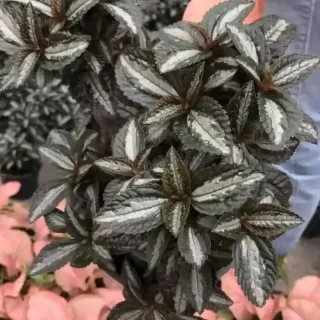
Price range: ₹125.00 through ₹549.00Select options This product has multiple variants. The options may be chosen on the product pageSelling size: Please Choose | Secure Packing | 2.5″-4″ Pot Included Calathiya rattlesnake is a plant easy to care for. However, there are a few measures and precautions you need to take to grow and maintain yours. Here’s a comprehensive guide for rattlesnake plant : Light Calathea Lancifolia prefers bright, indirect light. Like most variegated …
-
Golden Pothos
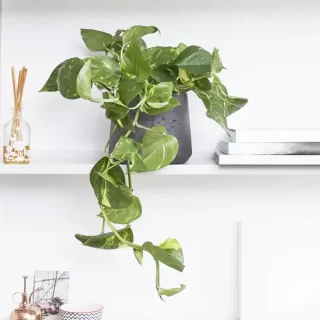
Original price was: ₹355.00.₹99.00Current price is: ₹99.00.Add to cartSelling size : Well rooted plant | 2.5″ pot included The Golden Pothos (Epipremnum aureum), also known as Devil’s Ivy, is one of the most popular and easiest houseplants to care for, making it an excellent choice for beginners. It’s a vining plant with heart-shaped leaves that are a vibrant green, often with splashes or …
-
Wandering Jew Plant
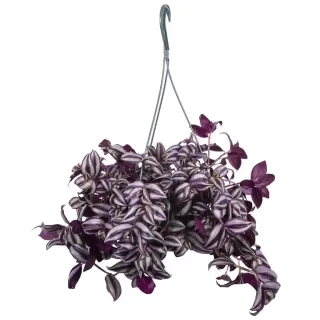
Original price was: ₹305.00.₹149.00Current price is: ₹149.00.Add to cartSelling size: This plant comes in a 2.5″ Square pot The Wandering Jew Plant, also known as the Tradescantia! They’re such vibrant and easy-to-love plants. To keep yours thriving, here’s a rundown of Wandering Jew Plant care needs: Light: They absolutely love bright, indirect sunlight. Think of a spot near an east- or west-facing window …
-
Spanish Moss Air Plant
Price range: ₹49.00 through ₹1,699.00Select options This product has multiple variants. The options may be chosen on the product pageSelling size: PLEASE CHOOSE Spanish Moss Air Plant – CARE INSTRUCTIONS Scientific name: Tillandsia usneoides Synonyms: Old man’s beard, Spanish Moss, French Hair, Spanish Beard Spanish Moss is a delicate silvery-grey air plant that is often used to hang in trees or as a gorgeous decor piece without the need for soil. Despite its name, Spanish Moss …
-
Scindapsus Pictus Exotica
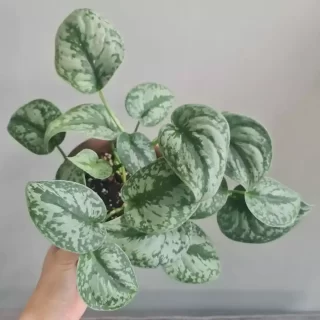
Original price was: ₹380.00.₹99.00Current price is: ₹99.00.Add to cartSelling size: Single Plant | 2.5″ Pot Included The Scindapsus Pictus Exotica, also known as the silver pothos, is a houseplant with large, dark green leaves that have silver spots and mottling. Here’s a guide to caring for your Scindapsus pictus Exotica plant: Light: Prefers bright, indirect light. An east or west-facing window that’s about …
-
Chlorophytum Spider Live Plant
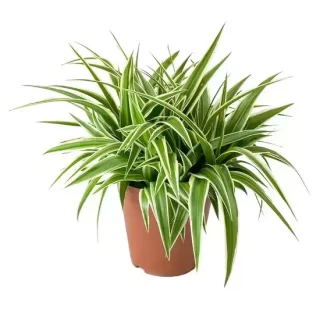
Original price was: ₹249.00.₹99.00Current price is: ₹99.00.Add to cartSelling size: Well rooted Single plant | 2.5″ Pot included Chlorophytum Spider, also the Spider Plant is an impressive houseplant which is the perfect plant for any beginner. A NASA certified air purifier, its long, green foliage with white variegations look good in both hanging planters and as desktop setups. In favourable conditions, it blooms …
-
Dischidia Oiantha plant
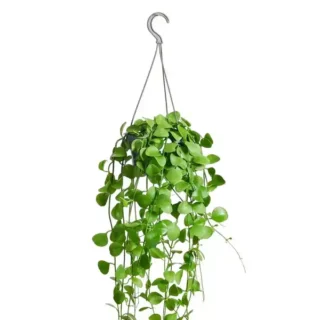
Price range: ₹99.00 through ₹599.00Select options This product has multiple variants. The options may be chosen on the product pagePlant Size: Single plant | Secure Packing The Dischidia oiantha, often referred to as a “Hoya cousin,” is a charming, easy-to-care-for epiphyte with trailing vines and small, oval, succulent-like leaves. It’s a great choice for hanging baskets or for adding a touch of whimsy to a shelf. Here is a comprehensive guide to caring for …

 If you need any assistance, I'm always here. Have you found what you were looking for?