
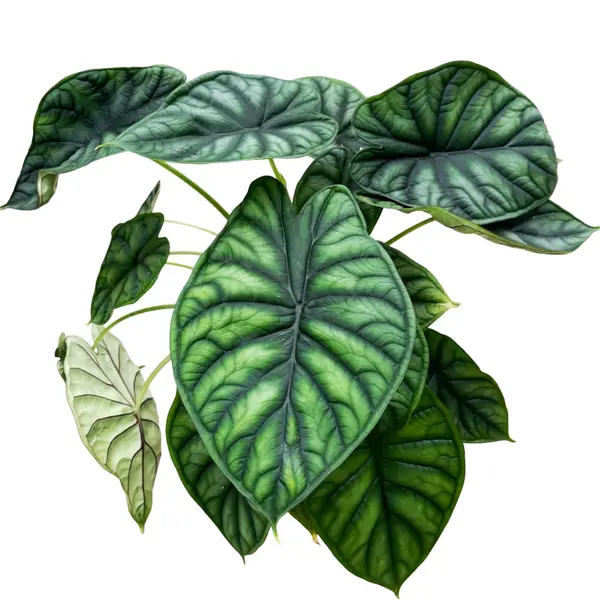

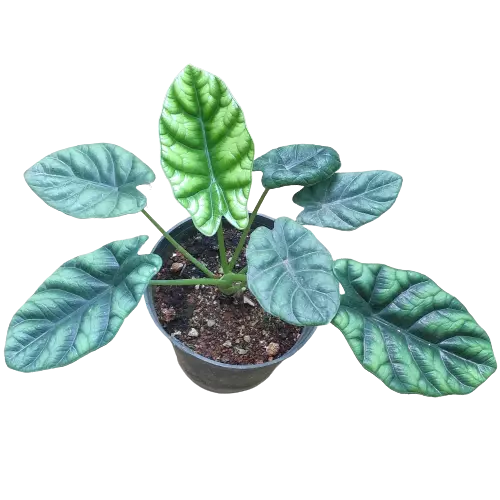
Alocasia Baginda Dragon Scale
Original price was: ₹1,850.00.₹649.00Current price is: ₹649.00.
Out of stock
Email when stock available
Size: Single Plant | Pot Included | Secure Packing | Free Shipping
The Alocasia Baginda Dragon Scale is a “Jewel Alocasia” prized for its thick, leathery leaves that resemble mythical dragon scales. Because it grows naturally on limestone outcrops in the rainforests of Borneo, its care is slightly different from your average houseplant—it’s a bit of a “Goldilocks” plant that needs things just right.
🐲 Quick Care Summary
| Feature | Requirement |
| Light | Bright, indirect light (never direct sun) |
| Water | Allow top 2 inches to dry; keep “barely moist” |
| Humidity | High (60%–80% is ideal) |
| Soil | Chunky, well-draining aroid mix (bark, perlite, coco coir) |
| Temperature | 65°F – 85°F (18°C – 29°C) |
| Toxicity | Toxic to pets and humans if ingested |
🌿 Alocasia Baginda Dragon Scale Detailed Care Guide
1. Lighting: The “Forest Floor” Vibe
In the wild, these plants live under the canopy. They need bright, indirect light to maintain their deep silver-green contrast.
-
The Sweet Spot: An east-facing window or a few feet back from a south/west window with a sheer curtain.
-
Red Flag: If the leaves turn pale or yellow, it might be getting too much sun. If the stems get “leggy” and reach toward the light, it needs more.
2. Watering: The Goldilocks Method
The Dragon Scale is very sensitive to root rot. It prefers to be watered thoroughly and then left to dry out significantly.
-
The Finger Test: Stick your finger into the soil. If the top 1–2 inches are dry, it’s time to water.
-
Water Quality: Alocasias can be sensitive to tap water chemicals. If possible, use filtered water or rainwater at room temperature.
-
Pro-Tip: They love bottom watering. Place the pot in a bowl of water for 15 minutes to let the roots soak up what they need without saturating the top stems.
3. Soil: Chunky and Airy
Standard potting soil is too dense and will suffocate the roots. You want a “chunky” mix that allows oxygen to reach the roots.
-
The “Dragon Mix”: 1 part orchid bark + 1 part perlite + 1 part coco coir (or peat moss).
-
Calcium Boost: Since they naturally grow on limestone, adding a pinch of bone meal or crushed eggshells to the soil can help them thrive.
4. Humidity & Temperature
-
Humidity: They struggle in dry indoor air. Aim for at least 60% humidity. Use a humidifier or group plants together. Avoid misting the leaves directly, as water trapped in the “scales” can cause fungal spots.
-
Temperature: Keep them warm. If the temperature drops below 60°F (15°C), the plant may go dormant, dropping its leaves to “sleep” until spring.
⚠️ Common Problems & Solutions
-
Yellowing Lower Leaves: Usually a sign of overwatering. Check the roots for “mushiness” (rot).
-
Crispy Brown Edges: This usually means the humidity is too low or the water has too many minerals/salts.
-
Spider Mites: These are the Dragon Scale’s #1 enemy. They love the nooks and crannies of the textured leaves. Wipe the leaves down with a damp cloth every two weeks to prevent them.
-
Dropping Leaves in Winter: Don’t panic! It might just be entering dormancy. Reduce watering and wait for new growth in the spring.
✂️ Propagation
The easiest way to get “baby dragons” is through corms. When you repot the plant in the spring, look for small, bulb-like structures in the soil. You can remove these and grow them in moist sphagnum moss or a shallow dish of water until they sprout roots and their first tiny leaf.
aper than a therapist.
You must be logged in to post a review.
Related products
-
Pilea involucrata ‘Norfolk’ – Friendship Plant
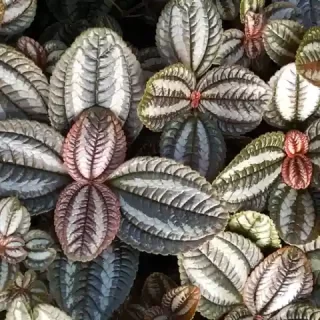
Original price was: ₹450.00.₹199.00Current price is: ₹199.00.Add to cartSize: Single Plant | 2.5″ Pot Included | Free Shipping The Pilea involucrata ‘Norfolk’, commonly known as the Friendship Plant, is a delightful houseplant celebrated for its unique, velvety, quilted foliage. The leaves have a rich texture and a beautiful color palette, with deep green and bronze tones on the upper surface and a reddish-purple …
-
Columbian Peperomia (Galaxy pepperomia)
Original price was: ₹345.00.₹183.65Current price is: ₹183.65.Read moreSelling size:Well rooted plant in a jiffy bag The Columbian Peperomia (Peperomia metallica var. columbiana) is a visually striking and relatively low-maintenance houseplant. It is also sometimes sold as “Galaxy Peperomia,” a name that hints at its unique foliage. This plant is known for its beautiful, semi-succulent leaves that have a dark green or bronze-purple …
-
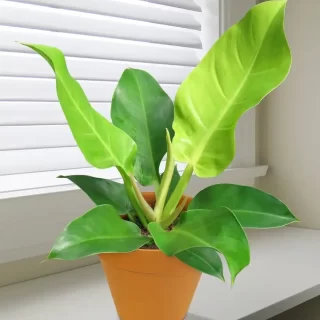
Philodendron Moonshine
Original price was: ₹1,250.00.₹249.00Current price is: ₹249.00.Add to cartSelling size: Single plant | Pot included | Secure Packing The Philodendron Moonshine (often also called ‘Moonlight’) is a popular hybrid known for its vibrant, almost glowing, chartreuse-colored leaves. It has an upright, self-heading growth habit, so unlike many vining philodendrons, it doesn’t need a trellis or pole. Here is a comprehensive guide to caring …
-
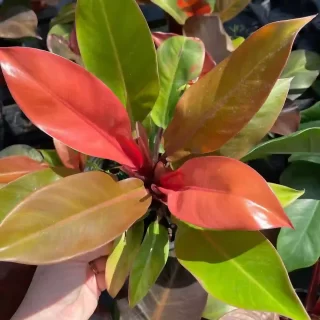
Philodendron ‘Prince of Orange’
Price range: ₹199.00 through ₹620.00Select options This product has multiple variants. The options may be chosen on the product pageSelling Size : Single Plant | Pot Included | Secure Packing The Philodendron ‘Prince of Orange’ is a stunning and popular hybrid known for its vibrant, ever-changing leaf colors. New leaves emerge as a brilliant orange or coppery color, and as they mature, they transition to a lime green, then a deep, glossy green. It …
-
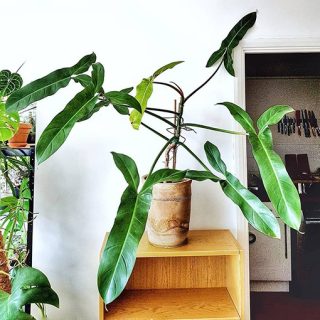
Philodendron Mexicanum
Original price was: ₹1,090.00.₹749.00Current price is: ₹749.00.Add to cartSelling size: Single Plant | Pot included The Philodendron mexicanum is a beautiful vining plant known for its long, arrow-shaped leaves with a striking deep maroon or reddish underside. As its name suggests, it is native to the tropical forests of Mexico. It’s a relatively easy-to-care-for plant, especially for those familiar with other vining philodendrons. …
-
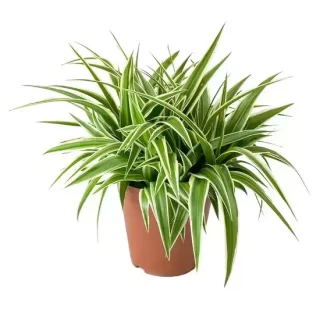
Chlorophytum Spider Live Plant
Original price was: ₹249.00.₹99.00Current price is: ₹99.00.Add to cartSelling size: Well rooted Single plant | 2.5″ Pot included Chlorophytum Spider, also the Spider Plant is an impressive houseplant which is the perfect plant for any beginner. A NASA certified air purifier, its long, green foliage with white variegations look good in both hanging planters and as desktop setups. In favourable conditions, it blooms …
-
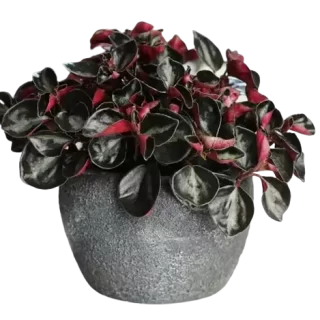
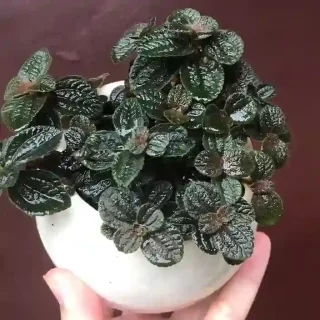
Pilea Repens, Black Panamiga
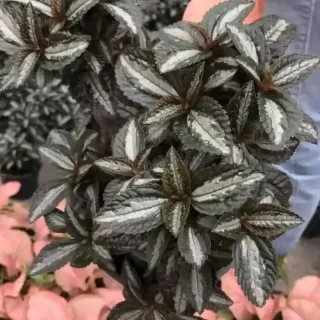
Original price was: ₹280.00.₹149.00Current price is: ₹149.00.Add to cartSize: Single Plant | Jiffy Bag Caring for a Pilea Ripens (also known as Black Panamiga) involves understanding its specific needs to ensure it thrives. Here’s a breakdown of Pilea Repens, Black Panamiga key care aspects: Key Care Points: Light: Pilea repens prefers bright, indirect sunlight. Direct sunlight can scorch its leaves. Rotating the plant …
 If you need any assistance, I'm always here. Have you found what you were looking for?
Reviews
There are no reviews yet.