


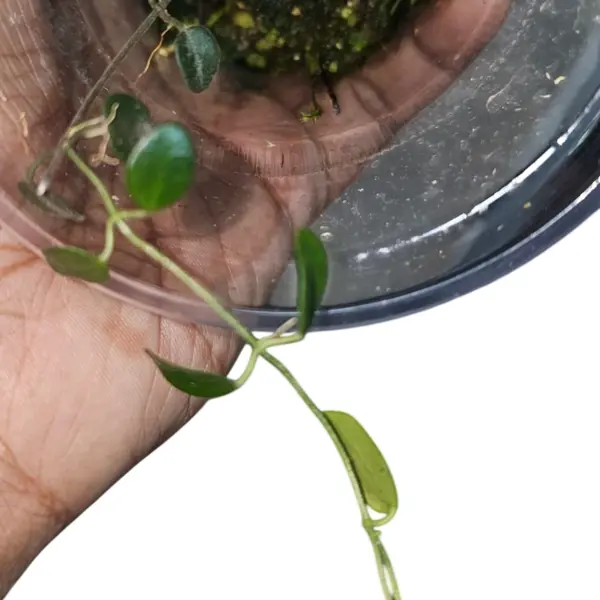
Hoya Serpens
Original price was: ₹1,850.00.₹1,456.00Current price is: ₹1,456.00.
Selling Size : Single Plant | Pot Included | Secure Packing | Free Delivery
Hoya serpens is a charming miniature trailing Hoya species admired for its small, round fuzzy leaves and clusters of fragrant, star-shaped flowers. Native to the Himalayan regions, it grows as an epiphytic creeper in cool, humid forests. Compared to many common Hoyas, Hoya serpens has slightly different care preferences — especially regarding temperature and humidity. With the right setup, it can grow beautifully in hanging pots, mounted displays, or compact indoor collections.
Hoya serpens Care Guide :
Light Requirements
Hoya serpens grows best in bright, indirect light. Provide filtered sunlight near an east-facing window or a bright north window. It also does very well under grow lights. Avoid harsh direct sun, which can scorch the small leaves and cause stress. Gentle morning sun is usually safe. Too little light results in slow growth and reduced chances of flowering. Bright but soft light encourages compact growth and thicker foliage.
Temperature
Unlike many tropical Hoyas, Hoya serpens prefers cool to intermediate temperatures. Ideal range is 18–26°C. It appreciates slightly cooler nights if possible. Avoid prolonged heat above 30°C, which can stress the plant, especially if humidity is low. Protect from temperatures below 12–14°C. Stable, moderate temperatures help maintain healthy vines and leaf texture.
Humidity
High humidity is very important. Aim for 60–80% humidity for best growth. In low humidity, leaves may wrinkle or drop. This species is excellent for terrariums, grow cabinets, or humid rooms. You can increase humidity with a humidifier, pebble trays, or by grouping plants. Good airflow should be maintained to prevent fungal issues when humidity is high.
Watering
Hoya serpens prefers to stay lightly and evenly moist, but never soggy. Let the top layer of the potting mix dry slightly before watering again. Do not allow the mix to dry out completely for long periods, as the small root system can dehydrate quickly. At the same time, overwatering can lead to root rot. Always use pots with drainage holes. In warm growing months, watering will be more frequent; reduce slightly in cooler seasons.
Potting Mix
Use a very airy, fast-draining epiphytic mix. A good blend includes orchid bark, coco chips, perlite, cocopeat or peat moss, and a little charcoal. The roots need oxygen as well as moisture. Avoid dense soil mixes. Many growers use an aroid or orchid-style substrate with added moisture-retentive components. Mounted growing on bark with moss is also successful if humidity is high.
Fertilizing
Feed lightly during active growth with a balanced liquid fertilizer at half strength every 3–4 weeks. Hoyas are not heavy feeders, and over-fertilizing can damage roots. A bloom-support fertilizer can be used occasionally when the plant is mature. Flush the pot with plain water every month or two to prevent salt buildup.
Pruning and Training
Hoya serpens is naturally trailing and looks beautiful in hanging baskets. You can prune long vines to maintain shape and encourage branching. Do not cut off old flower spurs (peduncles), as the plant reblooms from the same points. Provide a small trellis if you prefer a climbing form instead of trailing.
Repotting
This plant prefers to be slightly root-bound. Repot only when necessary — typically every 2 years. Choose a small pot with excellent drainage. Moving to an oversized pot can keep the mix wet too long and cause root problems.
Flowering Tips
When mature and happy, Hoya serpens produces clusters of small white to pinkish fuzzy flowers with a sweet fragrance. To encourage blooms: provide bright indirect light, stable humidity, light feeding, and avoid moving the plant frequently. Slightly cooler nights can also help trigger budding.
Pests and Problems
Watch for mealybugs, spider mites, and aphids. Inspect vines and leaf undersides regularly. Treat early with neem oil or insecticidal soap. Wrinkled leaves usually indicate underwatering or low humidity; yellow leaves often point to overwatering.
With bright filtered light, cool-to-warm temperatures, high humidity, and an airy mix, Hoya serpens will thrive and become a delightful trailing specimen in your indoor plant collection.
Related products
-
Philodendron Mican plant
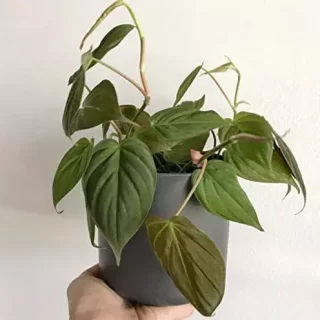
Original price was: ₹650.00.₹99.00Current price is: ₹99.00.Add to cartSelling size: A well rooted plant | 2.5″ Pot Included The Philodendron Micans (Philodendron hederaceum ‘Micans’), also known as the Velvet-Leaf Philodendron, is a popular, easy-care trailing or climbing houseplant prized for its unique, velvety, heart-shaped leaves that emerge a beautiful chartreuse/pink and mature to a deep, iridescent, bronze-green with hints of purple. Here is …
-
String of Bananas
Original price was: ₹450.00.₹249.00Current price is: ₹249.00.Add to cartSelling size: Mentioned in last Picture | Secure Packing The String of Bananas (Curio radicans or Senecio radicans) is a charming trailing succulent known for its long, cascading stems covered in plump, banana-shaped leaves. It’s a popular choice for hanging baskets and is generally easy to care for, especially for those who are new …
-
Calathiya Rattlesnake Plant
Price range: ₹125.00 through ₹549.00Select options This product has multiple variants. The options may be chosen on the product pageSelling size: Please Choose | Secure Packing | 2.5″-4″ Pot Included Calathiya rattlesnake is a plant easy to care for. However, there are a few measures and precautions you need to take to grow and maintain yours. Here’s a comprehensive guide for rattlesnake plant : Light Calathea Lancifolia prefers bright, indirect light. Like most variegated …
-
Philodendron ‘Prince of Orange’
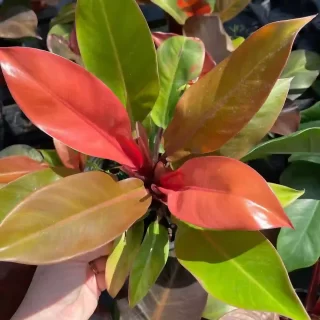
Price range: ₹199.00 through ₹620.00Select options This product has multiple variants. The options may be chosen on the product pageSelling Size : Single Plant | Pot Included | Secure Packing The Philodendron ‘Prince of Orange’ is a stunning and popular hybrid known for its vibrant, ever-changing leaf colors. New leaves emerge as a brilliant orange or coppery color, and as they mature, they transition to a lime green, then a deep, glossy green. It …
-
Golden Pothos
Original price was: ₹355.00.₹99.00Current price is: ₹99.00.Add to cartSelling size : Well rooted plant | 2.5″ pot included The Golden Pothos (Epipremnum aureum), also known as Devil’s Ivy, is one of the most popular and easiest houseplants to care for, making it an excellent choice for beginners. It’s a vining plant with heart-shaped leaves that are a vibrant green, often with splashes or …
-
Philodendron Moonshine
Original price was: ₹1,250.00.₹249.00Current price is: ₹249.00.Add to cartSelling size: Single plant | Pot included | Secure Packing The Philodendron Moonshine (often also called ‘Moonlight’) is a popular hybrid known for its vibrant, almost glowing, chartreuse-colored leaves. It has an upright, self-heading growth habit, so unlike many vining philodendrons, it doesn’t need a trellis or pole. Here is a comprehensive guide to caring …
-
Black zz plant, Raven ZZ Plant
Price range: ₹99.00 through ₹499.00Select options This product has multiple variants. The options may be chosen on the product pageSelling size: Please Choose (Single – Bushy) | 2.5″-5” Pot Included | Secure Packing The Black ZZ Plant, or Raven ZZ Plant (Zamioculcas zamiifolia ‘Raven’), is a popular, exceptionally resilient houseplant known for its striking, nearly black foliage. It shares the easy-care nature of the standard green ZZ plant, making it perfect for beginners or …
-
Lemon Button Fern Plant
Original price was: ₹539.00.₹179.00Current price is: ₹179.00.Add to cartSelling Size: Single plant | 2.5″ Pot Included The Lemon Button Fern (Nephrolepis cordifolia ‘Duffii’) is a popular and relatively easy-to-care-for fern. It’s known for its compact, arching fronds with small, button-like leaves and a subtle, lemony scent when you brush against them. Unlike some ferns, it’s a bit more forgiving of indoor conditions, making …






 If you need any assistance, I'm always here. Have you found what you were looking for?