
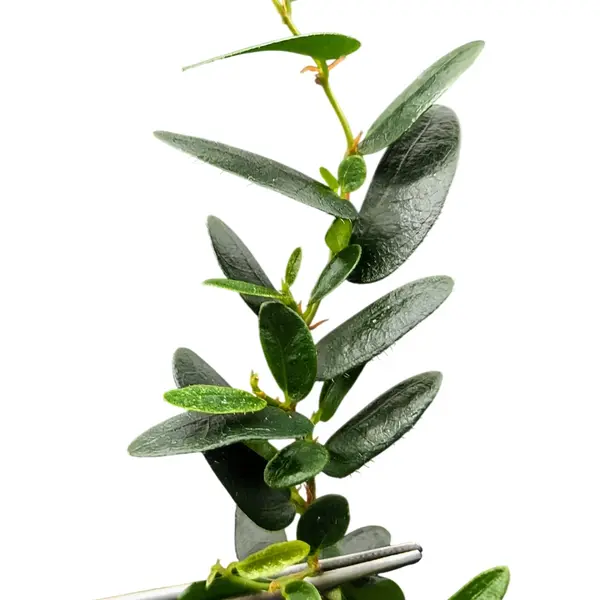

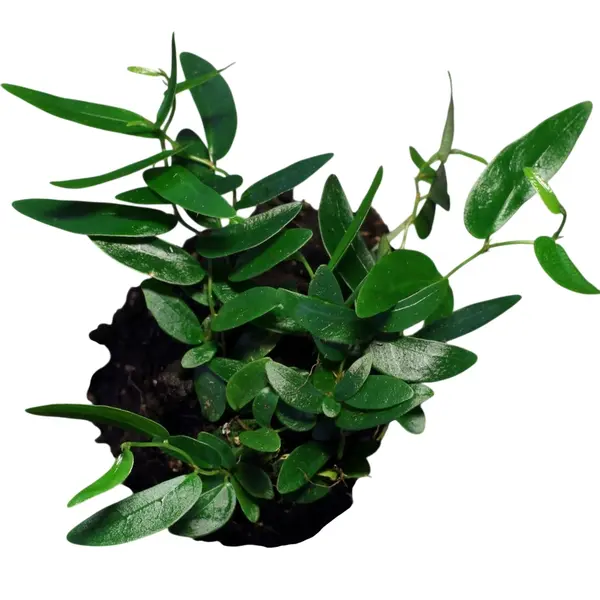
Ficus Ruginervia
Original price was: ₹1,500.00.₹1,249.00Current price is: ₹1,249.00.
Selling Size : Single Plant | Pot Included | Secure Packing | Free Delivery
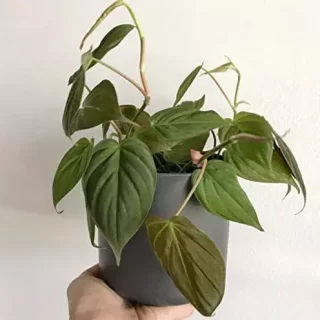
Ficus ruginervia is an attractive tropical fig species known for its textured leaves, prominent veins, and strong upright growth. It is less common than popular ficus varieties but highly valued by plant collectors for its bold foliage and hardy nature. With the right indoor or shaded outdoor conditions, Ficus ruginervia grows into a dense, decorative plant suitable for pots, patios, and bright interior spaces.
Ficus ruginervia – Care Guide :
Light Requirements
Ficus ruginervia grows best in bright, indirect light. It enjoys plenty of filtered light throughout the day. A position near an east- or south-facing window with a sheer curtain works well indoors. It can also tolerate a few hours of gentle morning sun. Avoid harsh afternoon sunlight, which can scorch the leaves and cause discoloration. In low light, growth becomes slow and stems may stretch. Consistent good light keeps the foliage thick and healthy.
Watering Needs
This ficus prefers moderate, regular watering. Allow the top 3–5 cm of soil to dry before watering again. When watering, soak the soil thoroughly and let excess water drain out completely. Never let the pot sit in standing water. Overwatering leads to root rot and yellowing leaves, while prolonged dryness can cause leaf drop. During warm growing months, watering will be more frequent. Reduce watering slightly in cooler seasons.
Soil Mix
Use a well-draining, fertile potting mix. A good blend includes garden soil or potting soil, cocopeat, compost, and perlite or coarse sand for drainage. The soil should hold some moisture but never stay heavy and waterlogged. Good aeration around the roots is important for ficus health. Adding a small portion of bark chips can further improve drainage.
Temperature and Climate
Ficus ruginervia prefers warm temperatures between 20°C and 32°C. It is a tropical plant and does not tolerate cold conditions. Temperatures below 15°C may cause stress and leaf drop. Keep it away from cold drafts and sudden temperature changes. It grows well in typical indoor Indian climates and in shaded outdoor areas in warm regions.
Humidity
Moderate to slightly high humidity is ideal. While it adapts to normal indoor humidity, it grows better with added moisture in the air. If your space is very dry, use a pebble tray, group plants together, or run a humidifier. Occasional light misting can help, but do not keep leaves constantly wet.
Fertilizing
Feed with a balanced liquid fertilizer every 3–4 weeks during the active growing season. A general-purpose foliage fertilizer works well. Apply at recommended or slightly diluted strength. Do not overfertilize, as excess nutrients can cause salt buildup and leaf burn. Reduce feeding during slow growth periods.
Pruning and Shaping
Ficus ruginervia responds well to pruning. Trim long or leggy branches to maintain shape and encourage bushier growth. Pruning also helps control height if grown indoors. Always use clean, sharp tools. You can shape the plant as a compact bush or allow it to grow taller like a small tree. Remove dead or damaged leaves promptly.
Repotting
Repot when roots begin circling the pot or emerging from drainage holes, usually every 1–2 years. Choose a container only one size larger than the current pot. Repotting refreshes soil nutrients and gives roots more space. Spring or early monsoon season is the best time for repotting.
Propagation
Propagation is commonly done through stem cuttings or air layering. Take a semi-hardwood cutting with several nodes and root it in moist soil or cocopeat under warm, humid conditions. Air layering gives faster results for thicker stems.
Common Problems
Yellow leaves usually indicate overwatering or poor drainage. Leaf drop can occur from sudden location change, cold drafts, or drought stress. Watch for pests like scale, mealybugs, and spider mites. Treat early with neem oil or insecticidal soap.
With bright filtered light, proper watering, and occasional pruning, Ficus ruginervia becomes a strong, elegant foliage plant that adds tropical character to any plant collection. 🌿
Related products
-
Black zz plant, Raven ZZ Plant
Price range: ₹99.00 through ₹499.00Select options This product has multiple variants. The options may be chosen on the product pageSelling size: Please Choose (Single – Bushy) | 2.5″-5” Pot Included | Secure Packing The Black ZZ Plant, or Raven ZZ Plant (Zamioculcas zamiifolia ‘Raven’), is a popular, exceptionally resilient houseplant known for its striking, nearly black foliage. It shares the easy-care nature of the standard green ZZ plant, making it perfect for beginners or …
-
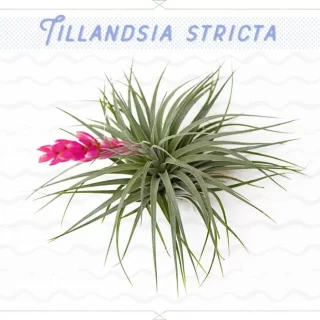
Tillandsia Stricta (Air plant)
Original price was: ₹400.00.₹199.00Current price is: ₹199.00.Add to cartSelling size: Single plant | Secure Packing The Tillandsia Stricta (Air plant) is one of the most popular and adaptable species of air plants, known for its soft, green-silver foliage and beautiful blooms. Like all air plants, it is epiphytic, meaning it absorbs all its water and nutrients through its leaves from the air, not …
-
Columbian Peperomia (Galaxy pepperomia)
Original price was: ₹345.00.₹183.65Current price is: ₹183.65.Read moreSelling size:Well rooted plant in a jiffy bag The Columbian Peperomia (Peperomia metallica var. columbiana) is a visually striking and relatively low-maintenance houseplant. It is also sometimes sold as “Galaxy Peperomia,” a name that hints at its unique foliage. This plant is known for its beautiful, semi-succulent leaves that have a dark green or bronze-purple …
-
Lemon Button Fern Plant
Original price was: ₹539.00.₹179.00Current price is: ₹179.00.Add to cartSelling Size: Single plant | 2.5″ Pot Included The Lemon Button Fern (Nephrolepis cordifolia ‘Duffii’) is a popular and relatively easy-to-care-for fern. It’s known for its compact, arching fronds with small, button-like leaves and a subtle, lemony scent when you brush against them. Unlike some ferns, it’s a bit more forgiving of indoor conditions, making …
-
Golden Pothos
Original price was: ₹355.00.₹99.00Current price is: ₹99.00.Add to cartSelling size : Well rooted plant | 2.5″ pot included The Golden Pothos (Epipremnum aureum), also known as Devil’s Ivy, is one of the most popular and easiest houseplants to care for, making it an excellent choice for beginners. It’s a vining plant with heart-shaped leaves that are a vibrant green, often with splashes or …
-
Golden Sedum Plant
Original price was: ₹549.00.₹349.00Current price is: ₹349.00.Add to cartSelling size: Well rooted plan | 2.5″ pot included The Golden Sedum (Sedum adolphii) is a popular succulent known for its bright, fleshy, evergreen leaves that can take on a beautiful golden-yellow or even reddish-pink tint in bright sun. It has a trailing or spreading growth habit, making it a great choice for hanging baskets, …
-
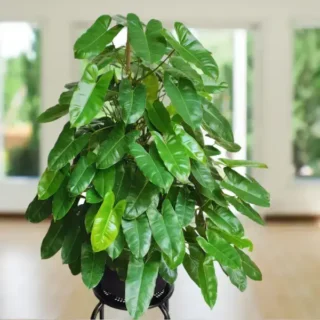
Philodendron Burle Marx Plant
Original price was: ₹485.00.₹149.00Current price is: ₹149.00.Add to cartSelling size: Single plant | Pot Included | Secure Packing The Philodendron Burle Marx is a fantastic and relatively easy-to-care-for plant, known for its glossy, spade-shaped leaves and dense, clumping growth. It’s often recommended as a great choice for beginner houseplant owners. Here is a comprehensive care guide for your Philodendron Burle Marx: Light …
-
Philodendron Mican plant
Original price was: ₹650.00.₹99.00Current price is: ₹99.00.Add to cartSelling size: A well rooted plant | 2.5″ Pot Included The Philodendron Micans (Philodendron hederaceum ‘Micans’), also known as the Velvet-Leaf Philodendron, is a popular, easy-care trailing or climbing houseplant prized for its unique, velvety, heart-shaped leaves that emerge a beautiful chartreuse/pink and mature to a deep, iridescent, bronze-green with hints of purple. Here is …





 If you need any assistance, I'm always here. Have you found what you were looking for?