
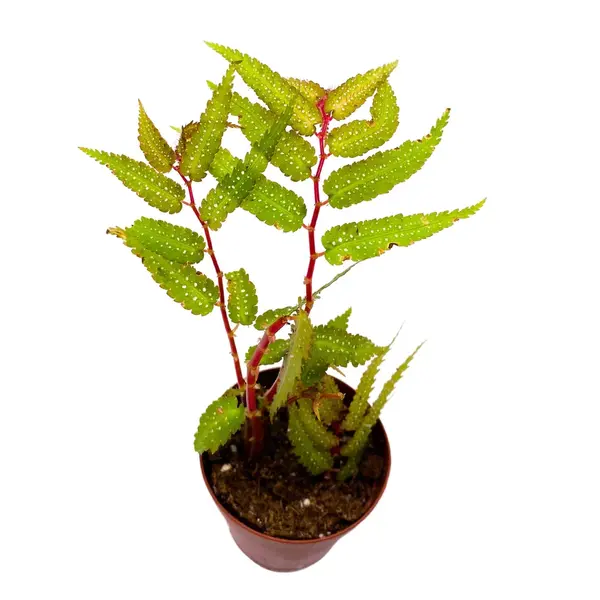
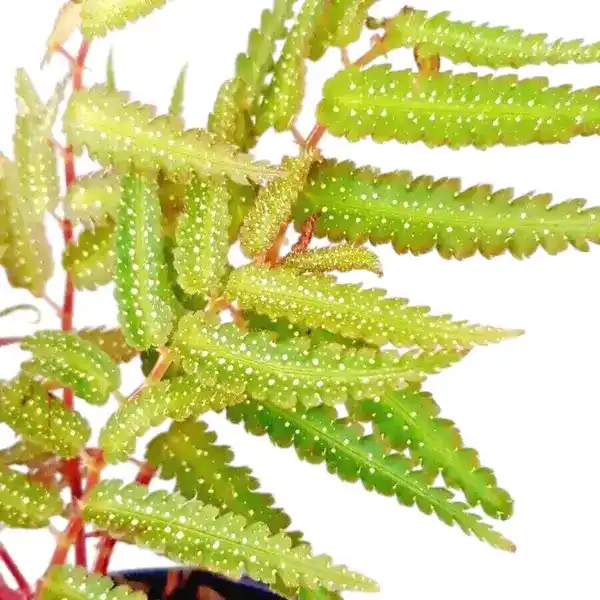
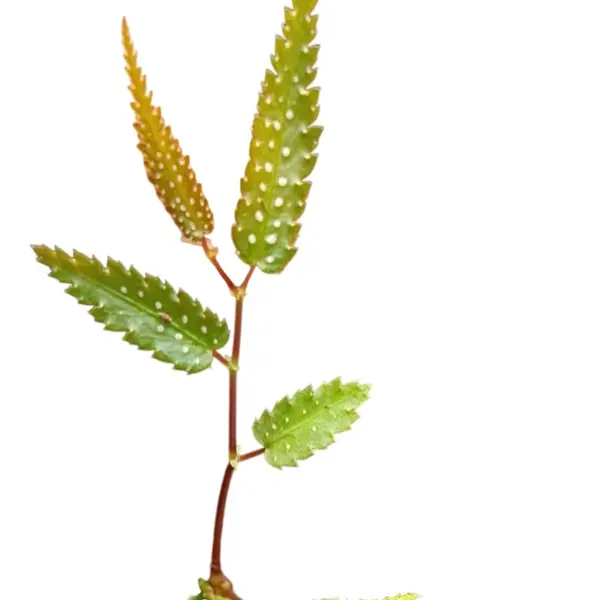
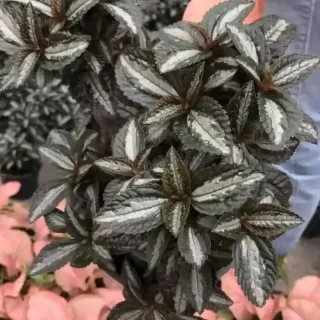
Begonia pteridiformis
Original price was: ₹2,000.00.₹1,664.00Current price is: ₹1,664.00.
Related products
-
Philodendron Mexicanum
Original price was: ₹1,090.00.₹749.00Current price is: ₹749.00.Add to cartSelling size: Single Plant | Pot included The Philodendron mexicanum is a beautiful vining plant known for its long, arrow-shaped leaves with a striking deep maroon or reddish underside. As its name suggests, it is native to the tropical forests of Mexico. It’s a relatively easy-to-care-for plant, especially for those familiar with other vining philodendrons. …
-
Dischidia Ruscifolia (Million Hearts)
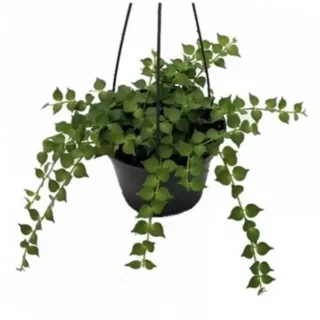
Price range: ₹199.00 through ₹499.00Select options This product has multiple variants. The options may be chosen on the product pagePlant Size: Single plant | 2.5″-6″ Pot Included The Dischidia Ruscifolia (Million Hearts), commonly known as the Million Hearts plant, is a delightful and easy-to-care-for trailing epiphyte. Its name comes from the abundance of small, heart-shaped leaves that densely cover its slender stems. As a member of the same family as Hoyas, its care …
-
Calathiya Rattlesnake Plant
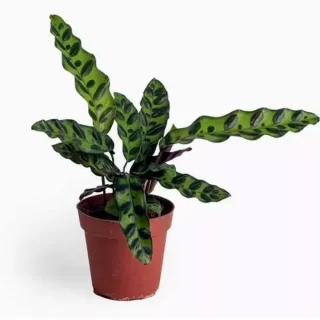
Price range: ₹125.00 through ₹549.00Select options This product has multiple variants. The options may be chosen on the product pageSelling size: Please Choose | Secure Packing | 2.5″-4″ Pot Included Calathiya rattlesnake is a plant easy to care for. However, there are a few measures and precautions you need to take to grow and maintain yours. Here’s a comprehensive guide for rattlesnake plant : Light Calathea Lancifolia prefers bright, indirect light. Like most variegated …
-
Heliconia Variegated – Super Rare
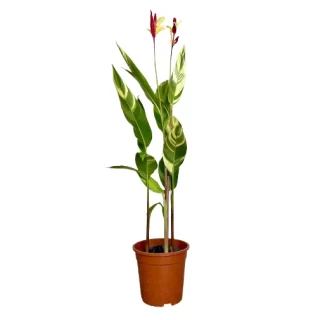
Original price was: ₹2,599.00.₹1,099.00Current price is: ₹1,099.00.Add to cartPlant size: Single plant | Pot Included | Free shipping The Variegated Heliconia (often a cultivar of Heliconia psittacorum, like ‘Lady Di’ or ‘Golden Torch’) is a striking tropical plant known for its banana-like leaves splashed with stripes of cream, yellow, or white. It is a demanding plant, requiring specific tropical conditions to thrive, especially …
-
Lemon Button Fern Plant
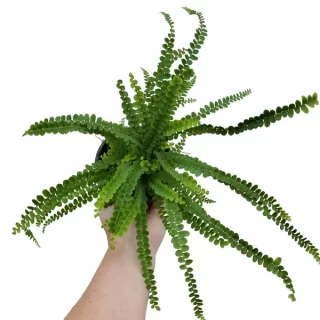
Original price was: ₹539.00.₹179.00Current price is: ₹179.00.Add to cartSelling Size: Single plant | 2.5″ Pot Included The Lemon Button Fern (Nephrolepis cordifolia ‘Duffii’) is a popular and relatively easy-to-care-for fern. It’s known for its compact, arching fronds with small, button-like leaves and a subtle, lemony scent when you brush against them. Unlike some ferns, it’s a bit more forgiving of indoor conditions, making …
-
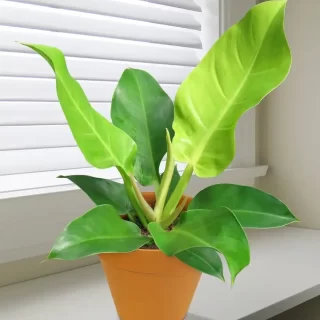
Philodendron Moonshine
Original price was: ₹1,250.00.₹249.00Current price is: ₹249.00.Add to cartSelling size: Single plant | Pot included | Secure Packing The Philodendron Moonshine (often also called ‘Moonlight’) is a popular hybrid known for its vibrant, almost glowing, chartreuse-colored leaves. It has an upright, self-heading growth habit, so unlike many vining philodendrons, it doesn’t need a trellis or pole. Here is a comprehensive guide to caring …
-
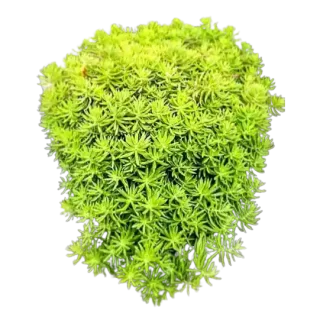
Golden Sedum Plant
Original price was: ₹549.00.₹349.00Current price is: ₹349.00.Add to cartSelling size: Well rooted plan | 2.5″ pot included The Golden Sedum (Sedum adolphii) is a popular succulent known for its bright, fleshy, evergreen leaves that can take on a beautiful golden-yellow or even reddish-pink tint in bright sun. It has a trailing or spreading growth habit, making it a great choice for hanging baskets, …
 If you need any assistance, I'm always here. Have you found what you were looking for?