
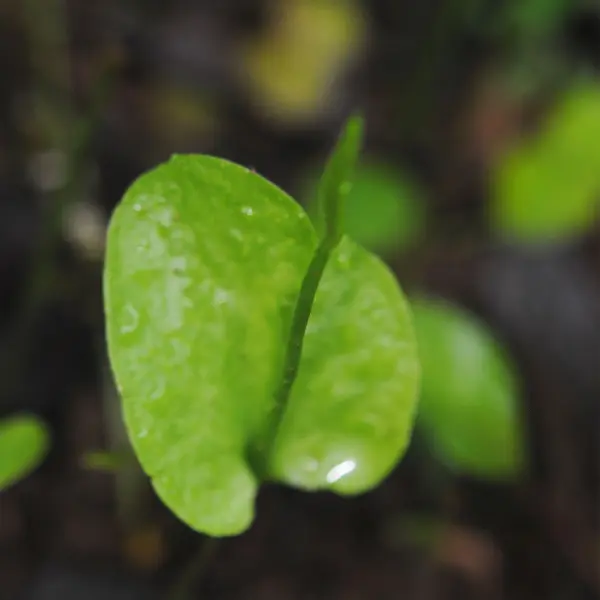
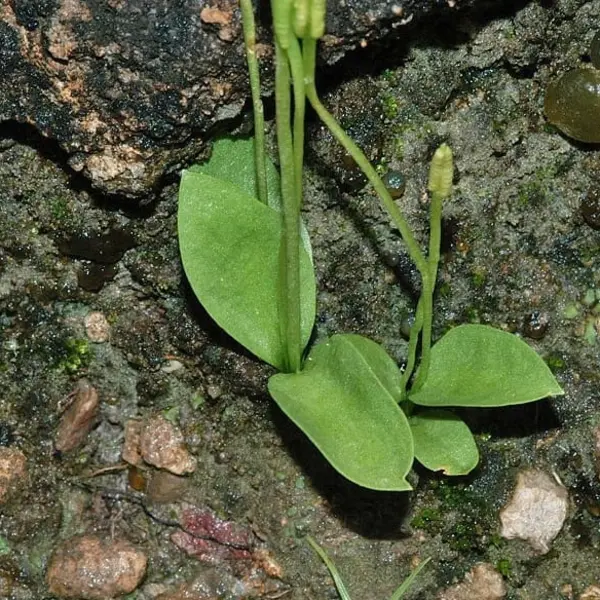
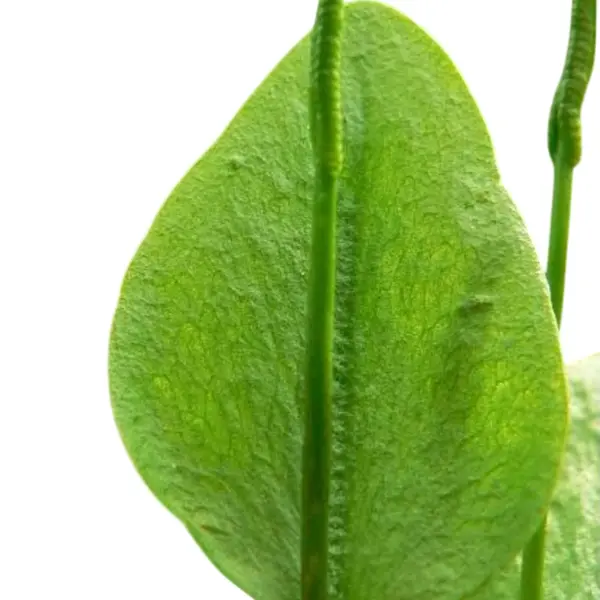
Ophioglossum Reticulatum
Original price was: ₹1,500.00.₹1,249.00Current price is: ₹1,249.00.
Selling Size : Single Plant | Pot Included | Secure Packing | Free Delivery
Ophioglossum reticulatum, commonly known as the Hand Fern or Adder’s Tongue Fern, is a rare and fascinating terrestrial fern valued for its unusual leaf shape and primitive lineage. It grows naturally in tropical and subtropical regions, including parts of India, often appearing during the rainy season. Because it differs from common ornamental ferns, its care requirements are also unique.
Here is a detailed 600-word care guide to help you grow Ophioglossum reticulatum successfully:
Light Requirements
Ophioglossum reticulatum prefers bright, filtered light to partial shade. In its natural habitat, it grows under tree canopies where it receives diffused sunlight. Avoid direct harsh midday sun, which can scorch the leaf and dry the soil too quickly. A location with morning light and afternoon shade works best. If grown indoors, place it near a bright window with sheer curtain filtering. Too little light can slow growth and produce weak, pale foliage.
Temperature and Climate
This fern thrives in warm, humid conditions. Ideal temperatures range between 20–32°C. It does not tolerate frost or cold drafts. In cooler regions, it should be grown in protected environments like greenhouses or shaded indoor areas. Since it is naturally seasonal in many places, it may emerge during monsoon months and go dormant in dry or cold periods — this is normal and not a sign of plant death.
Soil Requirements
Ophioglossum reticulatum prefers loose, well-draining, humus-rich soil. A good mix includes garden soil, leaf compost, coco peat, and a small amount of sand for drainage. The soil should retain moisture but never stay waterlogged. Heavy clay soil should be avoided because it can rot the underground rhizome. Adding forest leaf mold or compost improves microbial life and mimics its natural growing medium.
Watering
Consistent moisture is important, especially during the active growing season. Keep the soil evenly moist but not soggy. Overwatering can cause root and rhizome rot, while letting the soil dry completely may push the plant into early dormancy. During rainy and humid months, watering needs are lower. In dry weather, check soil moisture regularly and water when the top layer begins to dry. Reduce watering when the plant goes dormant and no new leaf is present.
Humidity
High humidity supports healthy growth. Aim for 60–80% humidity if possible. Outdoor shaded garden spots in tropical climates usually provide sufficient humidity. Indoors, you can increase humidity by misting lightly, placing the pot on a pebble tray with water, or grouping plants together. Avoid constant heavy misting that leaves the crown wet for long periods.
Fertilizing
This fern is not a heavy feeder. Use a mild, diluted organic liquid fertilizer once every 4–6 weeks during active growth. Vermicompost tea or seaweed extract works well. Avoid strong chemical fertilizers, which can damage sensitive roots and disrupt soil fungi that help this primitive fern species. Feeding is unnecessary during dormancy.
Potting and Placement
Choose a shallow, wide pot because the plant grows from a short underground structure rather than deep roots. Ensure good drainage holes. Repot only when necessary, as the plant dislikes root disturbance. It is also well suited to shaded woodland gardens, terrariums, and conservation collections rather than decorative houseplant displays.
Growth Pattern and Dormancy
Ophioglossum reticulatum often produces a single leaf with a separate fertile spike. Growth may be seasonal and brief. After completing its cycle, the above-ground part may disappear. Do not discard the pot — the plant can re-emerge when conditions become favorable again. Mark the pot to avoid accidental disturbance.
Pests and Problems
It is generally pest-resistant. Occasional issues may include fungus gnats in overly wet soil or rot due to poor drainage. Yellowing leaves usually indicate excess water or too much sun exposure. Improve drainage and adjust light if this occurs.
With patience and the right naturalistic conditions — shade, moisture, warmth, and organic soil — Ophioglossum reticulatum can be successfully
Related products
-
Black zz plant, Raven ZZ Plant
Price range: ₹99.00 through ₹499.00Select options This product has multiple variants. The options may be chosen on the product pageSelling size: Please Choose (Single – Bushy) | 2.5″-5” Pot Included | Secure Packing The Black ZZ Plant, or Raven ZZ Plant (Zamioculcas zamiifolia ‘Raven’), is a popular, exceptionally resilient houseplant known for its striking, nearly black foliage. It shares the easy-care nature of the standard green ZZ plant, making it perfect for beginners or …
-
Scindapsus Pictus Exotica
Original price was: ₹380.00.₹99.00Current price is: ₹99.00.Add to cartSelling size: Single Plant | 2.5″ Pot Included The Scindapsus Pictus Exotica, also known as the silver pothos, is a houseplant with large, dark green leaves that have silver spots and mottling. Here’s a guide to caring for your Scindapsus pictus Exotica plant: Light: Prefers bright, indirect light. An east or west-facing window that’s about …
-
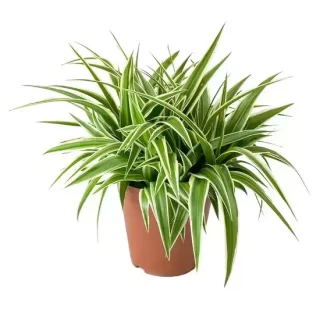
Chlorophytum Spider Live Plant
Original price was: ₹249.00.₹99.00Current price is: ₹99.00.Add to cartSelling size: Well rooted Single plant | 2.5″ Pot included Chlorophytum Spider, also the Spider Plant is an impressive houseplant which is the perfect plant for any beginner. A NASA certified air purifier, its long, green foliage with white variegations look good in both hanging planters and as desktop setups. In favourable conditions, it blooms …
-
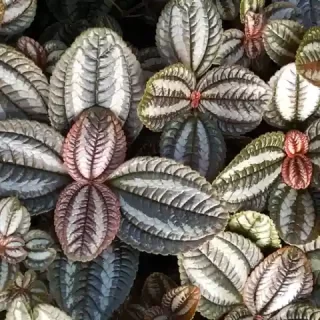
Pilea involucrata ‘Norfolk’ – Friendship Plant
Original price was: ₹450.00.₹199.00Current price is: ₹199.00.Add to cartSize: Single Plant | 2.5″ Pot Included | Free Shipping The Pilea involucrata ‘Norfolk’, commonly known as the Friendship Plant, is a delightful houseplant celebrated for its unique, velvety, quilted foliage. The leaves have a rich texture and a beautiful color palette, with deep green and bronze tones on the upper surface and a reddish-purple …
-
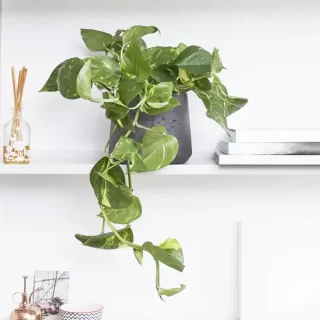
Golden Pothos
Original price was: ₹355.00.₹99.00Current price is: ₹99.00.Add to cartSelling size : Well rooted plant | 2.5″ pot included The Golden Pothos (Epipremnum aureum), also known as Devil’s Ivy, is one of the most popular and easiest houseplants to care for, making it an excellent choice for beginners. It’s a vining plant with heart-shaped leaves that are a vibrant green, often with splashes or …
-
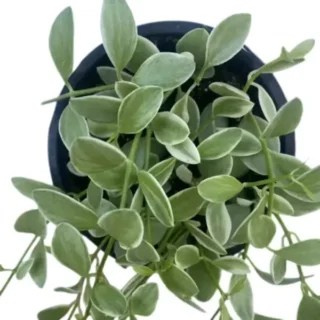
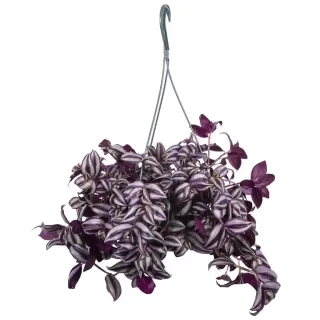
Wandering Jew Plant
Original price was: ₹305.00.₹149.00Current price is: ₹149.00.Add to cartSelling size: This plant comes in a 2.5″ Square pot The Wandering Jew Plant, also known as the Tradescantia! They’re such vibrant and easy-to-love plants. To keep yours thriving, here’s a rundown of Wandering Jew Plant care needs: Light: They absolutely love bright, indirect sunlight. Think of a spot near an east- or west-facing window …
-
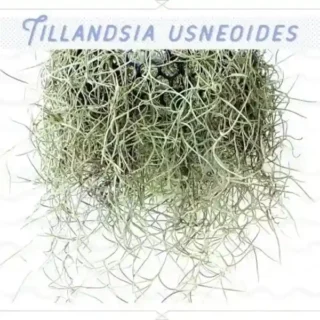
Spanish Moss Air Plant
Price range: ₹49.00 through ₹1,699.00Select options This product has multiple variants. The options may be chosen on the product pageSelling size: PLEASE CHOOSE Spanish Moss Air Plant – CARE INSTRUCTIONS Scientific name: Tillandsia usneoides Synonyms: Old man’s beard, Spanish Moss, French Hair, Spanish Beard Spanish Moss is a delicate silvery-grey air plant that is often used to hang in trees or as a gorgeous decor piece without the need for soil. Despite its name, Spanish Moss …

 If you need any assistance, I'm always here. Have you found what you were looking for?