
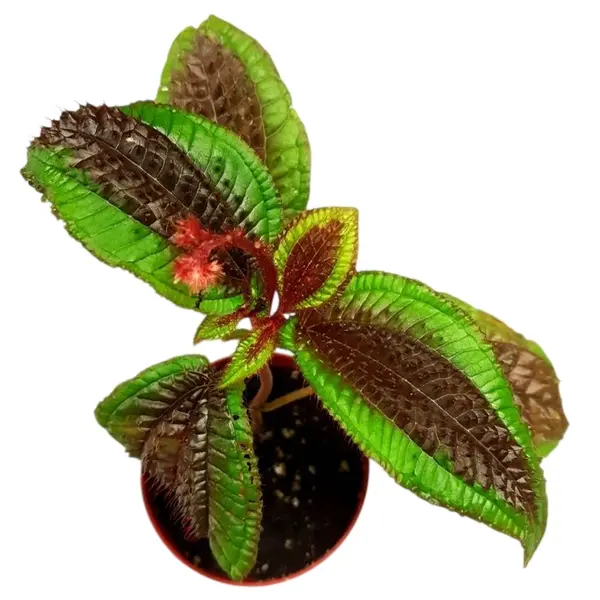
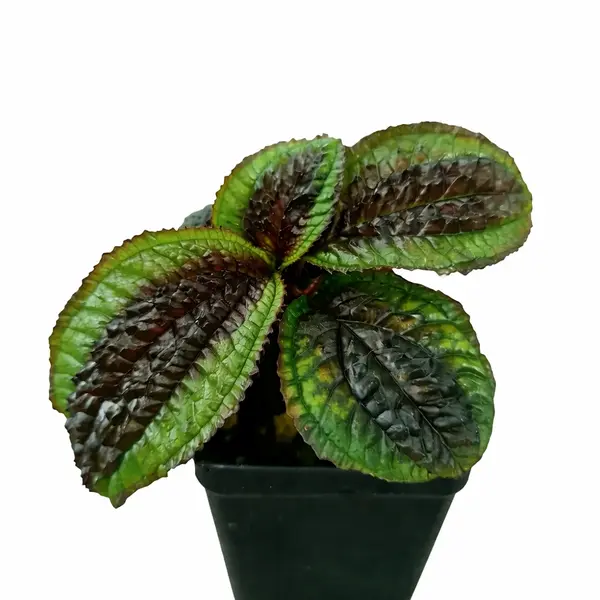
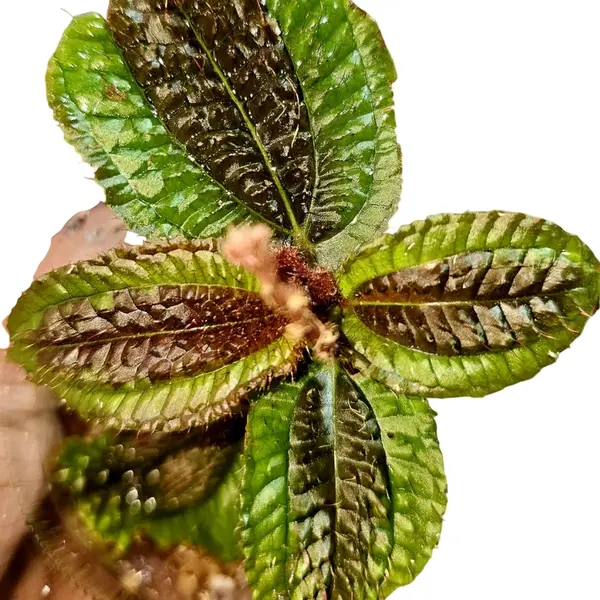
Triolena pustulata
Original price was: ₹2,500.00.₹2,029.00Current price is: ₹2,029.00.
Selling Size : Single Plant | Pot Included | Secure Packing | Free Delivery
Triolena pustulata is an attractive tropical foliage plant known for its textured, quilted leaves with raised blister-like patterns and contrasting veins. Native to Central and South American forests, it thrives in warm, humid, shaded environments similar to understory jungle conditions. With the right care, Triolena pustulata becomes a striking ornamental plant for indoor collections and shaded gardens.
Here is a complete care guide for a Triolena pustulata :
Light Requirements
Triolena pustulata prefers bright, indirect light. It grows best when placed near an east- or north-facing window indoors, or under filtered shade outdoors. Direct harsh sunlight can scorch the leaves and fade their deep green color and surface texture. Too little light, however, will slow growth and reduce leaf size and vibrancy. A spot with soft, diffused light for most of the day is ideal.
Watering Needs
This plant likes consistently moist soil but does not tolerate waterlogging. Water thoroughly when the top 2–3 cm of soil feels slightly dry. Make sure excess water drains freely from the pot to prevent root rot. During warmer months, watering may be needed more frequently, while in cooler seasons you can reduce the schedule slightly. Avoid letting the soil dry out completely, as this can stress the plant and cause leaf drooping.
Soil Mix
Use a rich, well-draining, organic soil mix. A good blend includes coco peat or peat moss, compost, perlite, and a bit of orchid bark or leaf mold. The goal is a loose, airy medium that holds moisture but allows excess water to escape quickly. Slightly acidic to neutral soil pH works best.
Temperature
Triolena pustulata prefers warm temperatures between 18–30°C. It does not tolerate cold drafts or sudden temperature drops. Keep it away from air conditioners, cold windows, and winter chills. Growth slows below 15°C, and prolonged exposure to cold can damage foliage.
Humidity
High humidity is very important for healthy growth. Aim for 60% or higher humidity. In dry indoor environments, you can increase humidity by misting lightly, using a humidity tray with water and pebbles, or placing a humidifier nearby. Grouping plants together also helps create a more humid microclimate. Low humidity may cause leaf edge browning and poor leaf development.
Fertilizing
Feed with a balanced liquid fertilizer every 3–4 weeks during the active growing season (spring and monsoon/summer). Use a diluted dose to avoid salt buildup. Organic liquid feeds such as seaweed extract or compost tea also work well. Reduce or stop fertilizing during winter when growth naturally slows.
Pruning and Maintenance
Remove yellowing or damaged leaves regularly to keep the plant tidy and prevent disease. Light pruning encourages bushier growth. Clean the leaves gently with a damp cloth to remove dust and allow better photosynthesis. Avoid leaf shine products, as they can clog the textured leaf surface.
Repotting
Repot every 1–2 years or when roots begin circling the pot. Choose a pot only one size larger to avoid excess wet soil. Repotting is best done during the growing season so the plant can recover quickly.
Propagation
Triolena pustulata is commonly propagated through stem cuttings or division. Take a healthy cutting with at least one node and root it in moist, airy medium under high humidity. Covering with a clear dome or plastic bag helps maintain moisture until roots form.
Pests and Problems
Watch for common pests like spider mites, mealybugs, and aphids, especially in dry conditions. Inspect leaf undersides regularly. Treat early with neem oil spray or mild insecticidal soap. Most problems arise from overwatering or low humidity — symptoms include yellow leaves, drooping, or brown edges.
Growing Tips
Because of its tropical origin, think “forest floor” conditions — warm, humid, shaded, and evenly moist. Avoid extremes in light, temperature, and watering. When these needs are met, Triolena pustulata rewards growers with bold, textured foliage and steady growth.
Related products
-
Lemon Button Fern Plant
Original price was: ₹539.00.₹179.00Current price is: ₹179.00.Add to cartSelling Size: Single plant | 2.5″ Pot Included The Lemon Button Fern (Nephrolepis cordifolia ‘Duffii’) is a popular and relatively easy-to-care-for fern. It’s known for its compact, arching fronds with small, button-like leaves and a subtle, lemony scent when you brush against them. Unlike some ferns, it’s a bit more forgiving of indoor conditions, making …
-
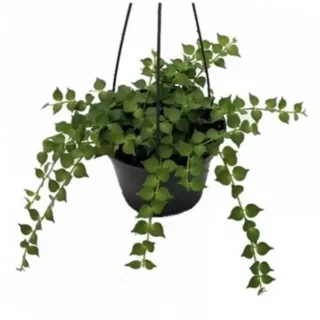
Dischidia Ruscifolia (Million Hearts)
Price range: ₹199.00 through ₹499.00Select options This product has multiple variants. The options may be chosen on the product pagePlant Size: Single plant | 2.5″-6″ Pot Included The Dischidia Ruscifolia (Million Hearts), commonly known as the Million Hearts plant, is a delightful and easy-to-care-for trailing epiphyte. Its name comes from the abundance of small, heart-shaped leaves that densely cover its slender stems. As a member of the same family as Hoyas, its care …
-
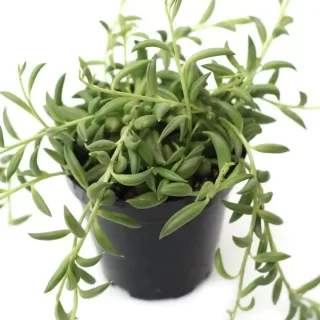
String of Bananas
Original price was: ₹450.00.₹249.00Current price is: ₹249.00.Add to cartSelling size: Mentioned in last Picture | Secure Packing The String of Bananas (Curio radicans or Senecio radicans) is a charming trailing succulent known for its long, cascading stems covered in plump, banana-shaped leaves. It’s a popular choice for hanging baskets and is generally easy to care for, especially for those who are new …
-
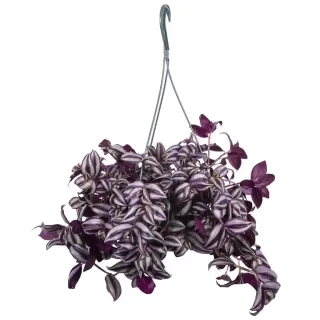
Wandering Jew Plant
Original price was: ₹305.00.₹149.00Current price is: ₹149.00.Add to cartSelling size: This plant comes in a 2.5″ Square pot The Wandering Jew Plant, also known as the Tradescantia! They’re such vibrant and easy-to-love plants. To keep yours thriving, here’s a rundown of Wandering Jew Plant care needs: Light: They absolutely love bright, indirect sunlight. Think of a spot near an east- or west-facing window …
-
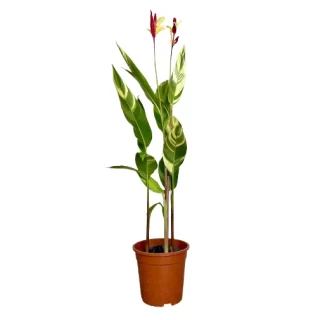
Heliconia Variegated – Super Rare
Original price was: ₹2,599.00.₹1,099.00Current price is: ₹1,099.00.Add to cartPlant size: Single plant | Pot Included | Free shipping The Variegated Heliconia (often a cultivar of Heliconia psittacorum, like ‘Lady Di’ or ‘Golden Torch’) is a striking tropical plant known for its banana-like leaves splashed with stripes of cream, yellow, or white. It is a demanding plant, requiring specific tropical conditions to thrive, especially …
-
Philodendron ‘Prince of Orange’
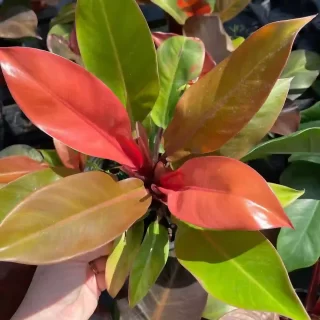
Price range: ₹199.00 through ₹620.00Select options This product has multiple variants. The options may be chosen on the product pageSelling Size : Single Plant | Pot Included | Secure Packing The Philodendron ‘Prince of Orange’ is a stunning and popular hybrid known for its vibrant, ever-changing leaf colors. New leaves emerge as a brilliant orange or coppery color, and as they mature, they transition to a lime green, then a deep, glossy green. It …
-
Tillandsia Stricta (Air plant)
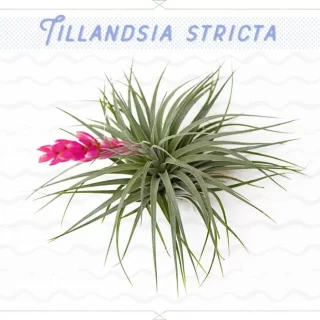
Original price was: ₹400.00.₹199.00Current price is: ₹199.00.Add to cartSelling size: Single plant | Secure Packing The Tillandsia Stricta (Air plant) is one of the most popular and adaptable species of air plants, known for its soft, green-silver foliage and beautiful blooms. Like all air plants, it is epiphytic, meaning it absorbs all its water and nutrients through its leaves from the air, not …
-
Calathiya Rattlesnake Plant
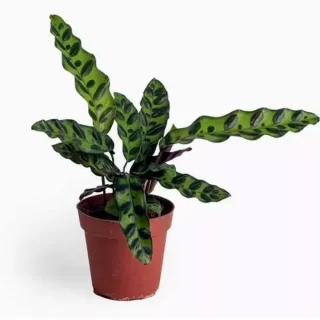
Price range: ₹125.00 through ₹549.00Select options This product has multiple variants. The options may be chosen on the product pageSelling size: Please Choose | Secure Packing | 2.5″-4″ Pot Included Calathiya rattlesnake is a plant easy to care for. However, there are a few measures and precautions you need to take to grow and maintain yours. Here’s a comprehensive guide for rattlesnake plant : Light Calathea Lancifolia prefers bright, indirect light. Like most variegated …
 If you need any assistance, I'm always here. Have you found what you were looking for?