
Lemon Grass Plant
Original price was: ₹849.00.₹425.00Current price is: ₹425.00.
Selling Size : Single Plant | Pot Included | Secure Packing
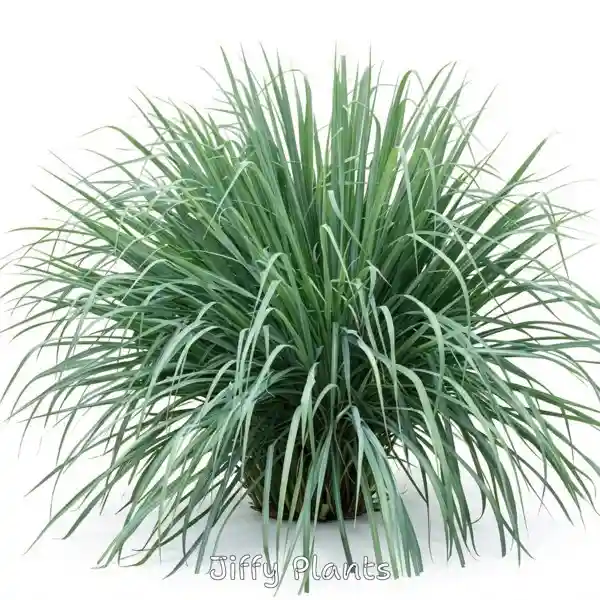
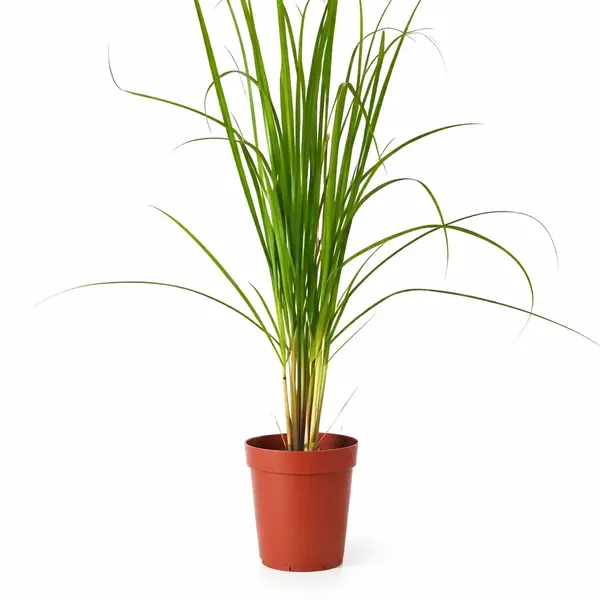
Fresh Lemon Grass (Cymbopogon citratus) is a fragrant, fast-growing perennial grass native to tropical Asia, widely cultivated for its culinary, medicinal, and aromatic uses. Its long, slender, bright-green stalks release a citrusy aroma when crushed, making it a favourite in teas, soups, stir-fries, and essential oils. Lemongrass is not only functional but also adds a lush, tropical aesthetic to gardens, patios, and containers. With proper care, it can grow vigorously year-round and provide fresh stalks for cooking and health remedies.
🌿 Fresh Lemon Grass – Complete Care Guide :
🌱 Growth Habit
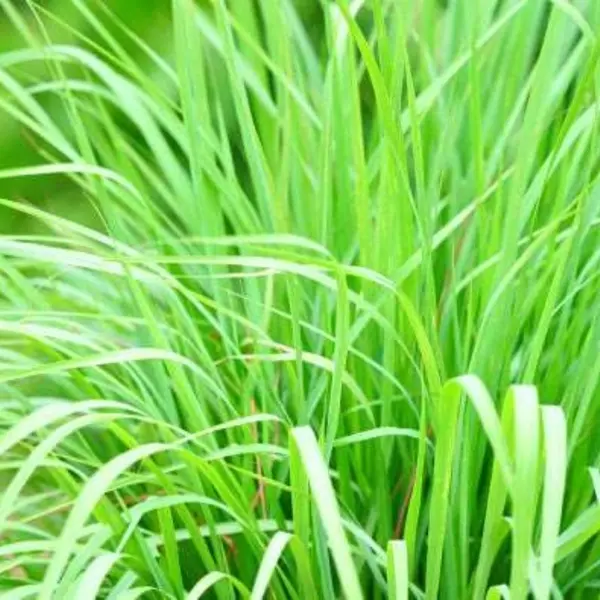
Lemon grass grows in clumps of tall, narrow blades, reaching 90–120 cm (3–4 feet) in height when mature. Each clump arises from thick, fibrous rhizomes that spread gradually, producing new shoots. The long, tapering leaves are linear, arching, and bright green, often forming a fountain-like appearance. In warm, humid climates, it may flower, producing feathery plumes, but the plant is primarily grown for its flavorful stalks.
🌞 Light Requirements
Lemon grass thrives in full sun, which is crucial for strong, aromatic growth.
-
Provide at least 6–8 hours of direct sunlight daily
-
In partial shade, growth slows, and stalks may be thinner
-
When grown indoors, place near a south-facing window or under grow lights for 8–10 hours a day
Bright sunlight helps develop the essential oils that give the stalks their signature citrus flavor and scent.
💧 Watering Needs
Lemon grass prefers consistently moist soil, especially during active growth, but it does not tolerate waterlogging.
-
Water regularly to keep the top 2–3 cm of soil slightly damp
-
Mulch around the base to retain moisture and reduce soil drying
-
In dry conditions or hot weather, water more frequently
-
Reduce watering slightly in cooler months, but avoid letting the soil dry out completely
Adequate moisture ensures strong, juicy stalks and lush foliage.
🌡️ Temperature & Humidity
Being tropical, lemon grass thrives in warm temperatures.
-
Ideal range: 20–35°C
-
Minimum temperature: Avoid below 10°C; frost will damage or kill the plant
-
Humidity: Lemon grass prefers moderate to high humidity, though it can tolerate average household levels if grown indoors
In cooler regions, consider growing lemon grass in containers so it can be moved indoors during winter.
🌿 Soil & Potting Mix
Lemon grass grows best in well-draining, fertile soil.
-
Ideal mix: sandy loam or a rich potting mix with good drainage
-
Soil pH: Slightly acidic to neutral (6.0–7.0)
-
Adding compost or organic matter improves fertility and moisture retention
For container growing, choose a wide, deep pot (at least 30–40 cm deep) to accommodate rhizome development.
🌱 Fertilization
Lemon grass is a heavy feeder, benefiting from regular fertilization.
-
Use balanced liquid fertilizer or organic options (compost tea, fish emulsion) every 4–6 weeks during the growing season
-
Apply slow-release granular fertilizer at the beginning of spring for outdoor plants
-
Avoid over-fertilizing, which can reduce essential oil concentration in the stalks
Proper nutrition encourages thick, juicy stalks with vibrant green leaves.
✂️ Harvesting & Pruning
Harvesting stimulates new growth:
-
Cut stalks when they are 20–30 cm tall for culinary use
-
Always leave at least 10–15 cm of growth above the rhizome to allow regrowth
-
Remove dry or yellowing leaves regularly
-
Divide clumps every 2–3 years to rejuvenate plants and control size
Harvested stalks can be stored fresh in the refrigerator for a week or dried for longer use.
🐛 Pests & Common Problems
Lemon grass is relatively hardy but watch for:
-
Aphids – spray with water or neem oil
-
Mealybugs – remove manually or treat with insecticidal soap
-
Leaf rust or fungal spots – avoid waterlogging and improve airflow
Yellowing leaves may indicate nutrient deficiency, underwatering, or too much shade.
🌿 Propagation
Lemon grass is easily propagated via rhizome division:
-
Remove a mature clump from soil
-
Separate sections with at least 2–3 stalks and healthy roots
-
Replant in fertile, moist soil
-
Water well and place in full sunlight
New clumps will establish quickly and start producing harvestable stalks within 6–8 weeks.
🌸 Uses
-
Culinary: Soups, curries, teas, marinades
-
Medicinal: Digestive aid, anti-inflammatory, aromatherapy
-
Ornamental: Adds height and texture to garden beds and container displays
🌿 Final Thoughts
Fresh Lemon grass is an easy-to-grow, fragrant herb that combines culinary, medicinal, and ornamental value. With full sun, regular watering, fertile soil, and periodic fertilization, it grows vigorously, producing tall, flavorful stalks year-round. Growing lemon grass in containers or garden beds makes it a versatile addition to tropical, subtropical, or indoor herb gardens.
Related products
-
Spanish Moss Air Plant
Price range: ₹49.00 through ₹1,699.00Select options This product has multiple variants. The options may be chosen on the product pageSelling size: PLEASE CHOOSE Spanish Moss Air Plant – CARE INSTRUCTIONS Scientific name: Tillandsia usneoides Synonyms: Old man’s beard, Spanish Moss, French Hair, Spanish Beard Spanish Moss is a delicate silvery-grey air plant that is often used to hang in trees or as a gorgeous decor piece without the need for soil. Despite its name, Spanish Moss …
-
Pellionia repens var. pulchra
Original price was: ₹325.00.₹149.00Current price is: ₹149.00.Add to cartSelling size: Well rooted plant in a jiffy bag | Secure Packing The Pellionia repens var. pulchra, often called the Trailing Watermelon Begonia, is a beautiful and easy-to-care-for trailing plant. Its common name comes from the striking, patterned leaves that resemble the rind of a watermelon. Despite the name, it is not a true begonia …
-
Columbian Peperomia (Galaxy pepperomia)
Original price was: ₹345.00.₹183.65Current price is: ₹183.65.Read moreSelling size:Well rooted plant in a jiffy bag The Columbian Peperomia (Peperomia metallica var. columbiana) is a visually striking and relatively low-maintenance houseplant. It is also sometimes sold as “Galaxy Peperomia,” a name that hints at its unique foliage. This plant is known for its beautiful, semi-succulent leaves that have a dark green or bronze-purple …
-
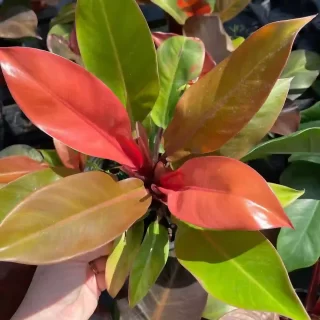
Philodendron ‘Prince of Orange’
Price range: ₹199.00 through ₹620.00Select options This product has multiple variants. The options may be chosen on the product pageSelling Size : Single Plant | Pot Included | Secure Packing The Philodendron ‘Prince of Orange’ is a stunning and popular hybrid known for its vibrant, ever-changing leaf colors. New leaves emerge as a brilliant orange or coppery color, and as they mature, they transition to a lime green, then a deep, glossy green. It …
-
Black zz plant, Raven ZZ Plant
Price range: ₹99.00 through ₹499.00Select options This product has multiple variants. The options may be chosen on the product pageSelling size: Please Choose (Single – Bushy) | 2.5″-5” Pot Included | Secure Packing The Black ZZ Plant, or Raven ZZ Plant (Zamioculcas zamiifolia ‘Raven’), is a popular, exceptionally resilient houseplant known for its striking, nearly black foliage. It shares the easy-care nature of the standard green ZZ plant, making it perfect for beginners or …
-
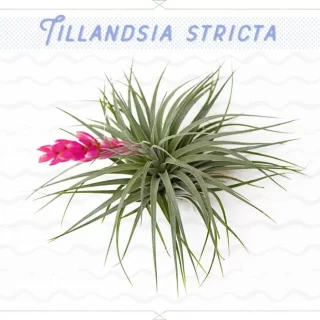
Tillandsia Stricta (Air plant)
Original price was: ₹400.00.₹199.00Current price is: ₹199.00.Add to cartSelling size: Single plant | Secure Packing The Tillandsia Stricta (Air plant) is one of the most popular and adaptable species of air plants, known for its soft, green-silver foliage and beautiful blooms. Like all air plants, it is epiphytic, meaning it absorbs all its water and nutrients through its leaves from the air, not …
-
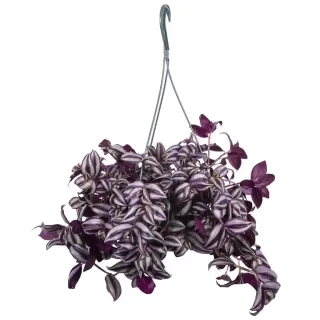
Wandering Jew Plant
Original price was: ₹305.00.₹149.00Current price is: ₹149.00.Add to cartSelling size: This plant comes in a 2.5″ Square pot The Wandering Jew Plant, also known as the Tradescantia! They’re such vibrant and easy-to-love plants. To keep yours thriving, here’s a rundown of Wandering Jew Plant care needs: Light: They absolutely love bright, indirect sunlight. Think of a spot near an east- or west-facing window …
-
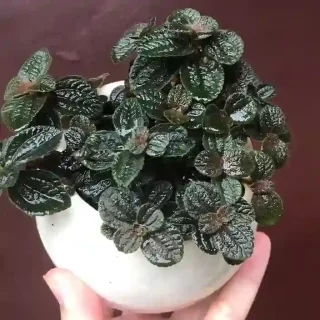
Pilea Repens, Black Panamiga
Original price was: ₹280.00.₹149.00Current price is: ₹149.00.Add to cartSize: Single Plant | Jiffy Bag Caring for a Pilea Ripens (also known as Black Panamiga) involves understanding its specific needs to ensure it thrives. Here’s a breakdown of Pilea Repens, Black Panamiga key care aspects: Key Care Points: Light: Pilea repens prefers bright, indirect sunlight. Direct sunlight can scorch its leaves. Rotating the plant …



 If you need any assistance, I'm always here. Have you found what you were looking for?