
Lecanopteris deparioides
₹1.00
Out of stock
Email when stock available
Selling Size : Single Plant | Pot Included | Secure Packing | Free Delivery
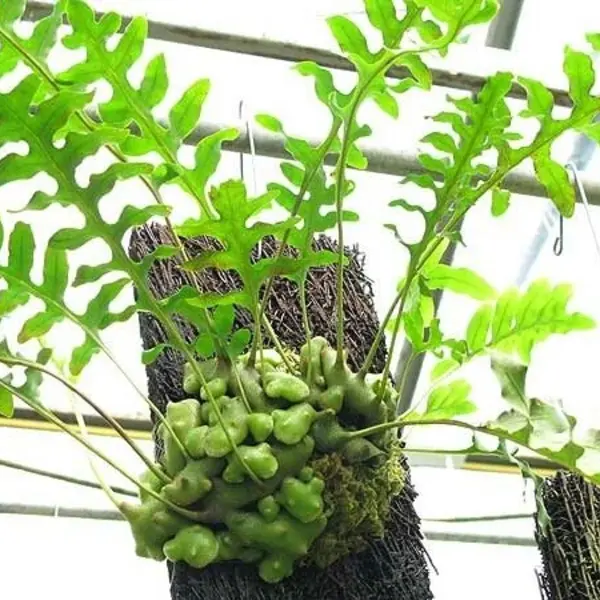
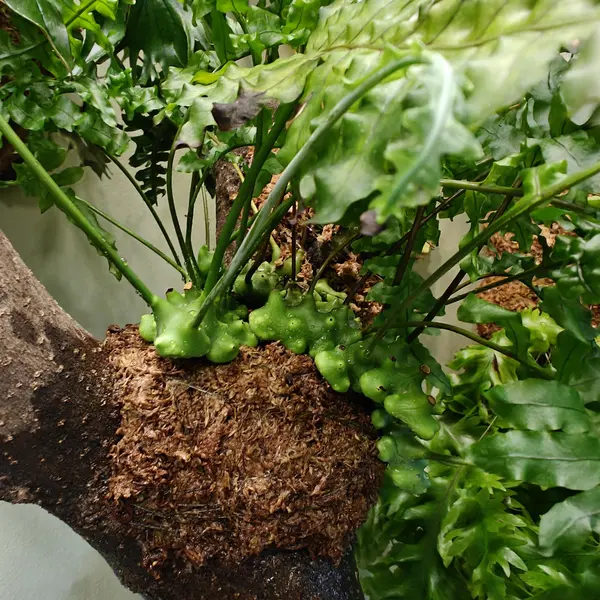
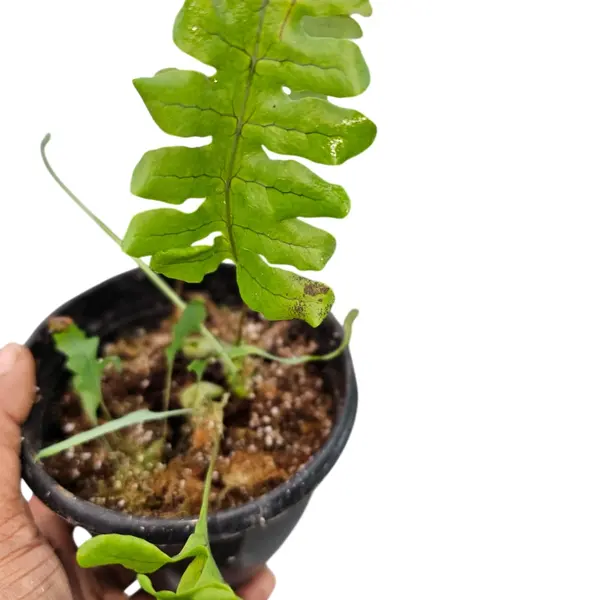
Lecanopteris deparioides, commonly known as the Ant Fern, is a fascinating epiphytic fern native to Southeast Asia and parts of the Pacific Islands. It is named for its hollow, swollen rhizomes that naturally house ants in the wild, forming a unique symbiotic relationship. These rhizomes store water and nutrients, helping the plant survive in its natural canopy habitat. With its delicate, finely divided fronds and unusual rhizome structure, this fern is a prized specimen among collectors of rare and exotic plants. While it looks delicate, it can be successfully grown in cultivation when its tropical, epiphytic needs are met.
Lecanopteris deparioides – Complete Plant Care Guide :
Light Requirements
Lecanopteris deparioides thrives in bright, indirect light. Filtered sunlight near an east- or north-facing window is ideal indoors. Too little light results in slow growth, pale fronds, and reduced vitality. However, direct harsh sunlight—especially during midday—can scorch the fronds, causing browning and drying. If grown outdoors, place it in partial shade or under dappled canopy light, similar to its natural forest habitat.
Watering Needs
This fern prefers consistently moist conditions, but it must never sit in water. Unlike many terrestrial ferns, Lecanopteris deparioides grows best when mounted or in a very airy, fast-draining medium. Water thoroughly when the growing medium feels slightly dry on the surface. Because of its water-storing rhizomes, it is somewhat tolerant of short dry periods, but prolonged dryness will cause fronds to wilt or drop. Avoid overwatering, as stagnant moisture can lead to rot in the rhizome and roots.
Growing Medium and Mounting
Being an epiphyte, this fern grows best when mounted on wood, cork bark, or tree fern fiber with a cushion of sphagnum moss. If grown in a pot, use a very airy mix such as sphagnum moss, orchid bark, perlite, and charcoal. The medium should retain some moisture while allowing excellent airflow. Avoid dense potting soil, as it can suffocate the roots and cause rot. Ensure good drainage at all times.
Humidity and Temperature
High humidity is essential for healthy growth. Lecanopteris deparioides thrives in humidity levels of 70–90%. In dry indoor environments, regular misting, a humidifier, or placement in a greenhouse, terrarium, or humidity cabinet is highly beneficial. The ideal temperature range is 18°C to 30°C. It is sensitive to cold and should be protected from temperatures below 15°C. Avoid placing it near air conditioners, heaters, or cold drafts.
Fertilization
This fern does not require heavy feeding. During the growing season (spring and summer), apply a very diluted balanced liquid fertilizer (such as 10-10-10) once a month. Alternatively, use organic options like diluted seaweed extract or orchid fertilizer at quarter strength. Over-fertilizing can damage the delicate roots and fronds, so always err on the lighter side.
Air Circulation
Good airflow is crucial for preventing fungal issues and keeping the fronds healthy. If grown in a closed terrarium or cabinet, ensure some ventilation. Gentle air movement helps prevent stagnant humidity and reduces the risk of mold or rot, especially around the rhizomes.
Pruning and Maintenance
Pruning is minimal. Remove any yellow, damaged, or dried fronds using clean, sterilized scissors. Avoid cutting into the rhizomes unless absolutely necessary. Regular misting helps keep the fronds clean and hydrated. If mounted, check the sphagnum moss periodically to ensure it remains slightly damp but not waterlogged.
Repotting and Remounting
Repotting is rarely needed unless the plant outgrows its mount or the medium breaks down. If remounting, gently remove old moss, rinse the roots lightly, and secure the rhizome to fresh bark or wood with sphagnum moss and plant ties. Spring is the best time for remounting.
Pests and Diseases
Lecanopteris deparioides is generally pest-resistant but may occasionally attract mealybugs or scale insects in low-humidity conditions. Inspect regularly and treat with neem oil or diluted insecticidal soap if needed. Fungal issues can occur if airflow is poor or moisture is stagnant.
Propagation
Propagation is typically done through division of the rhizome. Carefully separate a healthy section with attached fronds and roots, and mount or pot it in fresh sphagnum moss. Keep humidity high and provide bright, indirect light until the new plant establishes.
Special Care Tips
-
Maintain high humidity at all times.
-
Grow mounted or in an airy medium—avoid regular potting soil.
-
Provide bright, indirect light but no harsh sun.
-
Ensure good airflow around the plant.
-
Do not over-fertilize; less is more for this fern.
With proper care, Lecanopteris deparioides becomes a stunning, architectural fern that adds an exotic, rainforest-like touch to any plant collection, terrarium, or mounted display.
Related products
-
Black zz plant, Raven ZZ Plant
Price range: ₹99.00 through ₹499.00Select options This product has multiple variants. The options may be chosen on the product pageSelling size: Please Choose (Single – Bushy) | 2.5″-5” Pot Included | Secure Packing The Black ZZ Plant, or Raven ZZ Plant (Zamioculcas zamiifolia ‘Raven’), is a popular, exceptionally resilient houseplant known for its striking, nearly black foliage. It shares the easy-care nature of the standard green ZZ plant, making it perfect for beginners or …
-
Scindapsus Pictus Exotica
Original price was: ₹380.00.₹99.00Current price is: ₹99.00.Add to cartSelling size: Single Plant | 2.5″ Pot Included The Scindapsus Pictus Exotica, also known as the silver pothos, is a houseplant with large, dark green leaves that have silver spots and mottling. Here’s a guide to caring for your Scindapsus pictus Exotica plant: Light: Prefers bright, indirect light. An east or west-facing window that’s about …
-
Dischidia nummularia (Pebble Beach/ Button Orchid)
Price range: ₹99.00 through ₹599.00Select options This product has multiple variants. The options may be chosen on the product pagePlant Size: Single plant | 2.5″ Pot Included he Dischidia nummularia, commonly known as the String of Nickels, Pebble Beach plant, or Button Orchid, is a charming epiphyte with trailing stems covered in small, round, succulent-like leaves. It’s a great choice for hanging baskets and is known for being relatively easy to care for, especially …
-
Pellionia repens var. pulchra
Original price was: ₹325.00.₹149.00Current price is: ₹149.00.Add to cartSelling size: Well rooted plant in a jiffy bag | Secure Packing The Pellionia repens var. pulchra, often called the Trailing Watermelon Begonia, is a beautiful and easy-to-care-for trailing plant. Its common name comes from the striking, patterned leaves that resemble the rind of a watermelon. Despite the name, it is not a true begonia …
-
Dischidia Oiantha plant
Price range: ₹99.00 through ₹599.00Select options This product has multiple variants. The options may be chosen on the product pagePlant Size: Single plant | Secure Packing The Dischidia oiantha, often referred to as a “Hoya cousin,” is a charming, easy-to-care-for epiphyte with trailing vines and small, oval, succulent-like leaves. It’s a great choice for hanging baskets or for adding a touch of whimsy to a shelf. Here is a comprehensive guide to caring for …
-
Lemon Button Fern Plant
Original price was: ₹539.00.₹179.00Current price is: ₹179.00.Add to cartSelling Size: Single plant | 2.5″ Pot Included The Lemon Button Fern (Nephrolepis cordifolia ‘Duffii’) is a popular and relatively easy-to-care-for fern. It’s known for its compact, arching fronds with small, button-like leaves and a subtle, lemony scent when you brush against them. Unlike some ferns, it’s a bit more forgiving of indoor conditions, making …
-
Golden Sedum Plant
Original price was: ₹549.00.₹349.00Current price is: ₹349.00.Add to cartSelling size: Well rooted plan | 2.5″ pot included The Golden Sedum (Sedum adolphii) is a popular succulent known for its bright, fleshy, evergreen leaves that can take on a beautiful golden-yellow or even reddish-pink tint in bright sun. It has a trailing or spreading growth habit, making it a great choice for hanging baskets, …
-
String of Bananas
Original price was: ₹450.00.₹249.00Current price is: ₹249.00.Add to cartSelling size: Mentioned in last Picture | Secure Packing The String of Bananas (Curio radicans or Senecio radicans) is a charming trailing succulent known for its long, cascading stems covered in plump, banana-shaped leaves. It’s a popular choice for hanging baskets and is generally easy to care for, especially for those who are new …







 If you need any assistance, I'm always here. Have you found what you were looking for?