
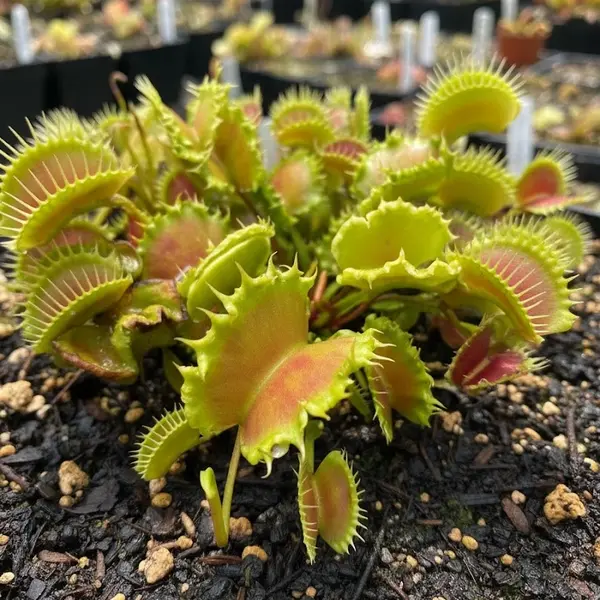

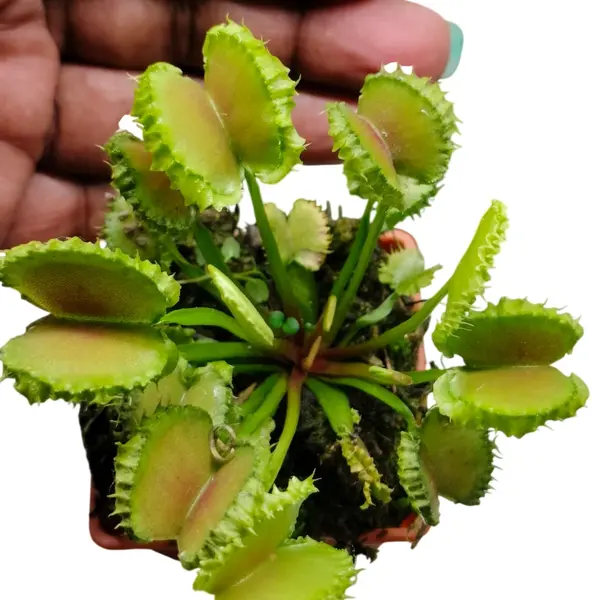
Chinese Dumpling
Original price was: ₹6,790.00.₹3,759.00Current price is: ₹3,759.00.
Selling Size : Single Plant | Pot Included | Secure Packing
The Chinese Dumpling plant is a charming, compact houseplant loved for its thick, rounded, deeply textured leaves that resemble folded dumplings. Botanically known as Peperomia caperata ‘Dumpling’, this plant belongs to the Piperaceae family and is native to tropical regions of South America. Its small size, unique foliage, and easy-going nature make it an excellent choice for homes, offices, and desktops, especially for plant lovers who prefer low-maintenance indoor plants.
Chinese Dumpling Plant Care Guide :
Light Requirements
Chinese Dumpling plants grow best in bright, indirect light. Place the plant near a window where it receives filtered sunlight, such as an east- or north-facing window. Direct sun can scorch the leaves, causing discoloration and dry patches, while very low light may result in slower growth and less compact foliage. Although Peperomia can tolerate medium light, brighter indirect light helps maintain healthy leaf texture and rich color.
Watering
One of the most important aspects of Chinese Dumpling care is proper watering. This plant prefers moderate watering and does not like soggy soil. Allow the top 3–4 cm of soil to dry out between waterings. Overwatering can quickly lead to root rot, as Peperomia has semi-succulent leaves that store moisture. Underwatering for long periods, however, may cause leaves to droop and lose firmness. Always water thoroughly and ensure excess water drains out completely.
Humidity & Temperature
Chinese Dumpling plants adapt well to normal indoor humidity levels but appreciate moderate humidity. Average household humidity (40–60%) is usually sufficient. In very dry conditions, occasional misting or placing the plant near other plants can help.
Maintain temperatures between 18–30°C. Avoid exposing the plant to cold drafts, sudden temperature drops, or direct airflow from air conditioners and heaters, as these can stress the plant and affect leaf quality.
Soil & Potting
Use a well-draining, lightweight soil mix. A combination of coco peat or peat moss, perlite, and a small amount of compost works well. The soil should retain slight moisture while allowing air to reach the roots. Choose a pot with proper drainage holes, as stagnant water is harmful. Chinese Dumpling plants prefer slightly snug pots, so repot only every 1–2 years or when roots outgrow the container.
Fertilization
Chinese Dumpling Feed the plant lightly during the growing season (spring and summer). Use a balanced liquid fertilizer diluted to half strength once every 4 weeks. Over-fertilizing can cause salt buildup and damage the roots. Reduce feeding in autumn and stop fertilizing during winter when the plant’s growth naturally slows.
Pruning & Maintenance
Chinese Dumpling plants require minimal pruning. Remove yellow or damaged leaves to maintain a neat appearance. Pinching off leggy growth encourages a more compact and bushy shape. Wipe the leaves gently with a soft, damp cloth to remove dust and keep the leaf surface healthy. Avoid leaf shine products, as they can clog leaf pores..
Common Problems Chinese Dumpling
-
Yellow leaves: Overwatering or poor drainage
-
Soft, mushy stems: Root rot due to excess moisture
-
Curling leaves: Underwatering or sudden temperature changes
-
Pests: Occasionally affected by mealybugs or spider mites
Prompt correction of care usually restores plant health quickly.
Pet Safety
Peperomia caperata ‘Dumpling’ is considered non-toxic to cats and dogs, making it a safe and pet-friendly houseplant.
Conclusion
The Chinese Dumpling plant is a delightful indoor companion that combines unique texture with easy care. By providing bright indirect light, careful watering, stable warmth, and well-draining soil, this compact Peperomia will thrive and add a playful, elegant touch to any indoor plant collection.
Related products
-
Dischidia Ruscifolia (Million Hearts)
Price range: ₹199.00 through ₹499.00Select options This product has multiple variants. The options may be chosen on the product pagePlant Size: Single plant | 2.5″-6″ Pot Included The Dischidia Ruscifolia (Million Hearts), commonly known as the Million Hearts plant, is a delightful and easy-to-care-for trailing epiphyte. Its name comes from the abundance of small, heart-shaped leaves that densely cover its slender stems. As a member of the same family as Hoyas, its care …
-
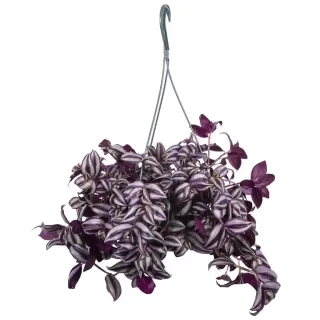
Wandering Jew Plant
Original price was: ₹305.00.₹149.00Current price is: ₹149.00.Add to cartSelling size: This plant comes in a 2.5″ Square pot The Wandering Jew Plant, also known as the Tradescantia! They’re such vibrant and easy-to-love plants. To keep yours thriving, here’s a rundown of Wandering Jew Plant care needs: Light: They absolutely love bright, indirect sunlight. Think of a spot near an east- or west-facing window …
-
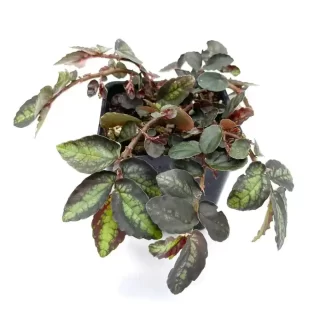
Pellionia repens var. pulchra
Original price was: ₹325.00.₹149.00Current price is: ₹149.00.Add to cartSelling size: Well rooted plant in a jiffy bag | Secure Packing The Pellionia repens var. pulchra, often called the Trailing Watermelon Begonia, is a beautiful and easy-to-care-for trailing plant. Its common name comes from the striking, patterned leaves that resemble the rind of a watermelon. Despite the name, it is not a true begonia …
-
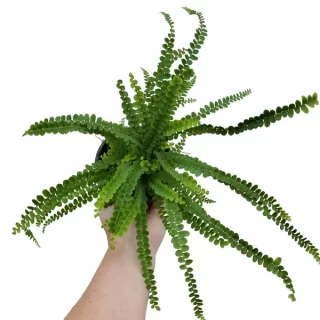
Lemon Button Fern Plant
Original price was: ₹539.00.₹179.00Current price is: ₹179.00.Add to cartSelling Size: Single plant | 2.5″ Pot Included The Lemon Button Fern (Nephrolepis cordifolia ‘Duffii’) is a popular and relatively easy-to-care-for fern. It’s known for its compact, arching fronds with small, button-like leaves and a subtle, lemony scent when you brush against them. Unlike some ferns, it’s a bit more forgiving of indoor conditions, making …
-
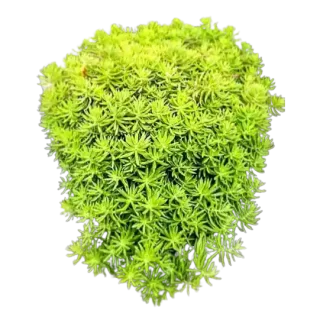
Golden Sedum Plant
Original price was: ₹549.00.₹349.00Current price is: ₹349.00.Add to cartSelling size: Well rooted plan | 2.5″ pot included The Golden Sedum (Sedum adolphii) is a popular succulent known for its bright, fleshy, evergreen leaves that can take on a beautiful golden-yellow or even reddish-pink tint in bright sun. It has a trailing or spreading growth habit, making it a great choice for hanging baskets, …
-
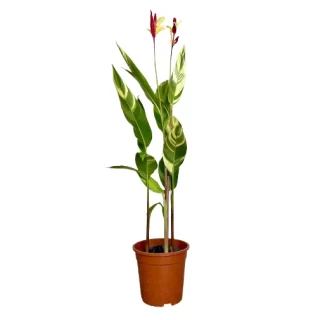
Heliconia Variegated – Super Rare
Original price was: ₹2,599.00.₹1,099.00Current price is: ₹1,099.00.Add to cartPlant size: Single plant | Pot Included | Free shipping The Variegated Heliconia (often a cultivar of Heliconia psittacorum, like ‘Lady Di’ or ‘Golden Torch’) is a striking tropical plant known for its banana-like leaves splashed with stripes of cream, yellow, or white. It is a demanding plant, requiring specific tropical conditions to thrive, especially …
-
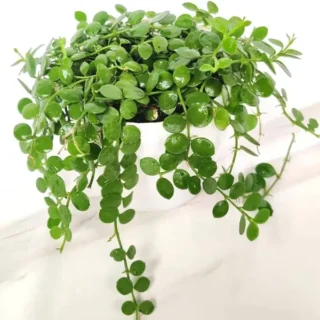
String Of Nickels (Dischidia nummularia)
Price range: ₹99.00 through ₹599.00Select options This product has multiple variants. The options may be chosen on the product pageSelling size: Well rooted plant in a Jiffy bag The Dischidia nummularia, commonly known as the String of Nickels or Button Orchid, is a delightful and easy-to-care-for trailing epiphyte. Its common name comes from its small, round, coin-shaped leaves that densely cover its long, slender stems. As a relative of the Hoya, it shares a similar …
 If you need any assistance, I'm always here. Have you found what you were looking for?