
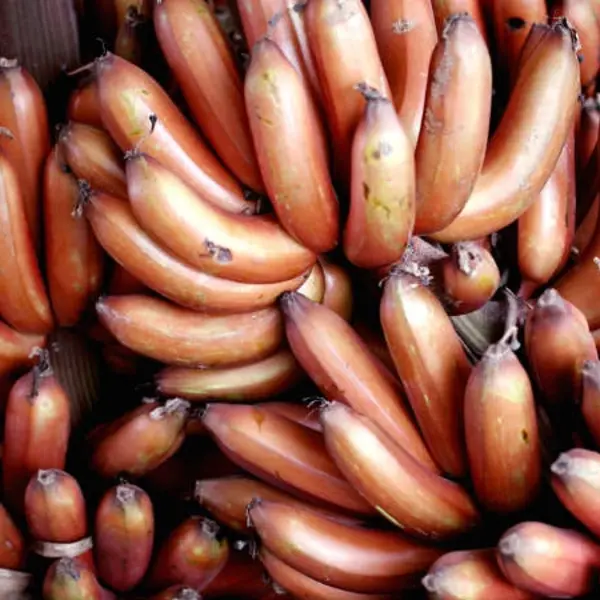
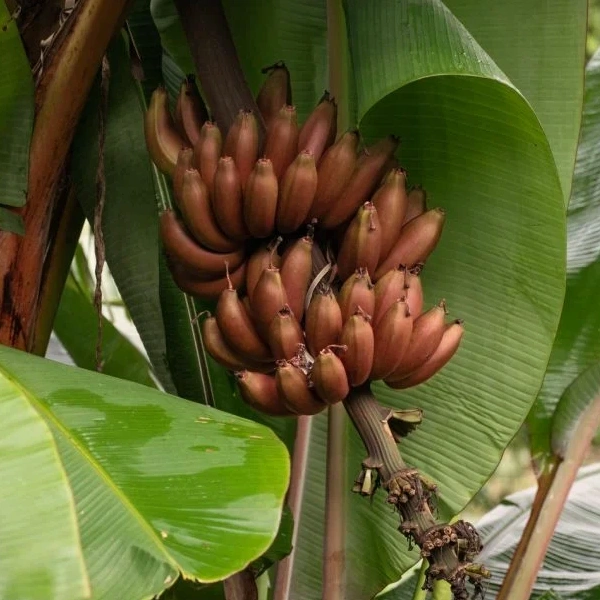
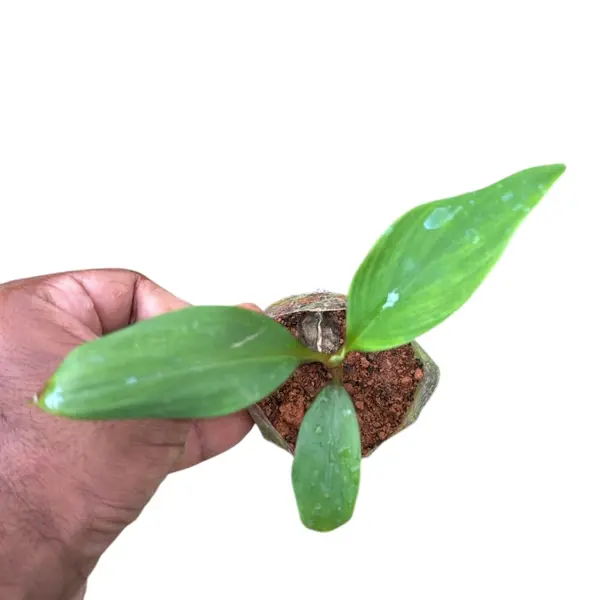
Chenkadali Banana
Original price was: ₹399.00.₹175.00Current price is: ₹175.00.
Selling Size : Single Plant | Pot Included | Secure Packing
The Chenkadali Banana, a beloved traditional variety of Kerala, is known for its reddish-green skin, sweet aroma, and soft, nutritious flesh. It belongs to the Nendran-like group but is smaller, tastier, and quicker to mature. Chenkadali is widely used for home cooking, snacks, baby food, and Ayurvedic preparations. With proper care, this hardy plant produces healthy bunches and thrives beautifully in tropical home gardens. Below is a complete 600-word care guide covering soil, water, sunlight, fertilization, pests, pruning, and maintenance.
Chenkadali Banana – Complete Care Guide:
1. Climate & Temperature Requirements
Chenkadali Banana thrives best in hot, humid tropical climates, especially in regions like Kerala, Tamil Nadu, and coastal belts. Ideal temperature range:
-
25°C to 35°C during the day
-
Not suitable for temperatures below 15°C
High humidity helps faster leaf growth and healthier pseudostem formation. Low humidity may cause leaf drying, so regular watering and mulching help maintain moisture.
2. Sunlight Needs
This variety requires 6–8 hours of strong sunlight daily. Sunlight is important for:
-
Thick stem formation
-
Strong leaf development
-
Better root growth
-
Bigger and sweeter fruits
Chenkadali can tolerate partial shade, but full sunlight ensures maximum yield and healthier plants.
3. Soil Requirements
Healthy soil is the foundation for growing Chenkadali Banana successfully. The ideal soil should be:
-
Loamy or sandy-loam
-
Rich in organic matter
-
Deep (minimum 2 ft)
-
Well-draining
-
Slightly acidic to neutral (pH 6.0–7.5)
Avoid clayey, heavy soils that retain too much water, as they cause root rot and slow growth.
Soil Preparation
Prepare a 2×2×2 ft pit and fill it with:
-
50% garden or red soil
-
25% compost or well-decomposed cow dung
-
25% river sand or cocopeat
-
Neem cake (200 g) to prevent root pests
Well-prepared soil greatly improves bunch size and fruit quality.
4. Planting & Spacing
To ensure good growth and airflow:
-
Maintain 6–7 feet spacing between plants.
-
Plant the sucker/tissue culture plant slightly deeper than pot level.
-
Press soil firmly to remove air pockets.
-
Apply thick mulch with dried leaves or coconut husk.
Proper spacing prevents fungal infections and helps sunlight reach all parts of the plant.
5. Watering Requirements
Chenkadali Banana requires consistent moisture, especially during its early growth phase.
Watering Tips:
-
Water every 2–3 days in summer
-
Water twice a week in winter/monsoon
-
Keep soil moist but never waterlogged
-
Use drip irrigation for best results
Water stress can cause:
-
Reduced leaf size
-
Poor bunch formation
-
Reduced sweetness
During fruiting, regular watering improves fruit size and evenness.
6. Fertilizer Schedule
Chenkadali is a moderate to heavy feeder. A balanced fertilizer schedule ensures top-quality fruits.
Monthly Feeding:
-
Compost/cow dung: 1–2 kg every month
-
Biofertilizers: Trichoderma, panchagavya, or jeevamruth for disease resistance
-
NPK fertilizers:
-
Month 2 & 4 – Foliar spraying 19-19-19
-
Month 3 & 5 – Soil application 17-17-17
-
-
Magnesium sulphate: 1–2 tbsp monthly for greener foliage
-
Micronutrients: Banana special mix once every 30–40 days
During Fruiting:
-
Increase potassium (MOP or 0-0-50)
-
Apply banana bunch booster sprays
-
Use organic options like banana peel fertilizer, wood ash, or bone meal
7. Pruning & Maintenance
Proper maintenance keeps Chenkadali plants healthy.
-
Remove dried and damaged leaves regularly.
-
Maintain only one mother plant + one follower sucker.
-
Remove all weak or extra suckers.
-
Keep base weed-free and mulched.
-
Provide support in windy regions using bamboo poles.
Mulching helps maintain root temperature and moisture.
8. Flowering & Fruiting
Chenkadali usually flowers within 8–10 months of planting.
During fruiting:
-
Support the bunch with a strong stick.
-
Remove the male flower (banana heart) 7–10 days after the last hand forms.
-
Cover the bunch with a banana bag to prevent pest damage and sunburn.
-
Maintain regular watering for uniform fruits.
Fruits take 90–110 days to mature after flowering.
9. Pests & Diseases
Common Pests:
-
Aphids
-
Mealybugs
-
Thrips
-
Banana stem borer
Spray neem oil (3–5 ml per litre) every 10–14 days.
Diseases:
-
Sigatoka leaf spot
-
Panama wilt
-
Bunchy top virus
Ensure good spacing, avoid waterlogging, and use disease-free planting material.
10. Harvesting
Harvest when:
-
Fruits turn plump
-
Angles change from sharp to round
-
Skin becomes light green to yellowish
Cut the bunch carefully and store in shade for slow, natural ripening.
Related products
-
Philodendron Burle Marx Plant
Original price was: ₹485.00.₹149.00Current price is: ₹149.00.Add to cartSelling size: Single plant | Pot Included | Secure Packing The Philodendron Burle Marx is a fantastic and relatively easy-to-care-for plant, known for its glossy, spade-shaped leaves and dense, clumping growth. It’s often recommended as a great choice for beginner houseplant owners. Here is a comprehensive care guide for your Philodendron Burle Marx: Light …
-
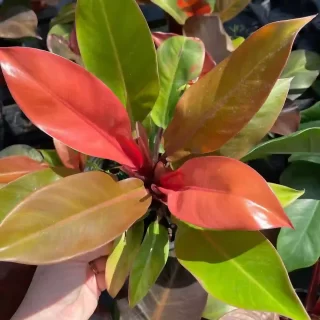
Philodendron ‘Prince of Orange’
Price range: ₹199.00 through ₹620.00Select options This product has multiple variants. The options may be chosen on the product pageSelling Size : Single Plant | Pot Included | Secure Packing The Philodendron ‘Prince of Orange’ is a stunning and popular hybrid known for its vibrant, ever-changing leaf colors. New leaves emerge as a brilliant orange or coppery color, and as they mature, they transition to a lime green, then a deep, glossy green. It …
-
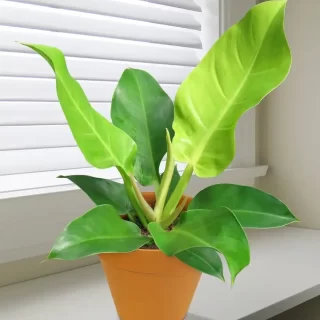
Philodendron Moonshine
Original price was: ₹1,250.00.₹249.00Current price is: ₹249.00.Add to cartSelling size: Single plant | Pot included | Secure Packing The Philodendron Moonshine (often also called ‘Moonlight’) is a popular hybrid known for its vibrant, almost glowing, chartreuse-colored leaves. It has an upright, self-heading growth habit, so unlike many vining philodendrons, it doesn’t need a trellis or pole. Here is a comprehensive guide to caring …
-
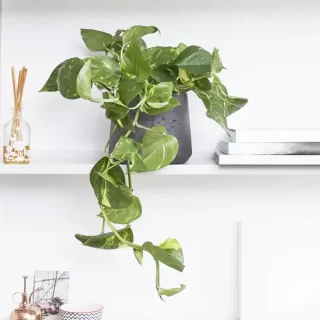
Golden Pothos
Original price was: ₹355.00.₹99.00Current price is: ₹99.00.Add to cartSelling size : Well rooted plant | 2.5″ pot included The Golden Pothos (Epipremnum aureum), also known as Devil’s Ivy, is one of the most popular and easiest houseplants to care for, making it an excellent choice for beginners. It’s a vining plant with heart-shaped leaves that are a vibrant green, often with splashes or …
-
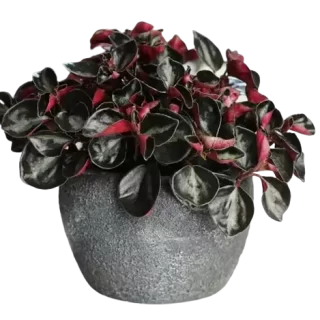
Columbian Peperomia (Galaxy pepperomia)
Original price was: ₹345.00.₹183.65Current price is: ₹183.65.Read moreSelling size:Well rooted plant in a jiffy bag The Columbian Peperomia (Peperomia metallica var. columbiana) is a visually striking and relatively low-maintenance houseplant. It is also sometimes sold as “Galaxy Peperomia,” a name that hints at its unique foliage. This plant is known for its beautiful, semi-succulent leaves that have a dark green or bronze-purple …
-
Spanish Moss Air Plant
Price range: ₹49.00 through ₹1,699.00Select options This product has multiple variants. The options may be chosen on the product pageSelling size: PLEASE CHOOSE Spanish Moss Air Plant – CARE INSTRUCTIONS Scientific name: Tillandsia usneoides Synonyms: Old man’s beard, Spanish Moss, French Hair, Spanish Beard Spanish Moss is a delicate silvery-grey air plant that is often used to hang in trees or as a gorgeous decor piece without the need for soil. Despite its name, Spanish Moss …
-
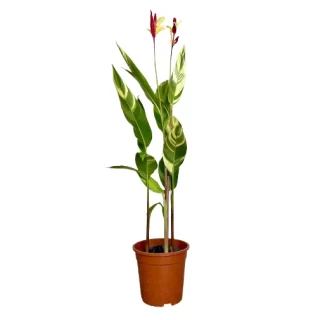
Heliconia Variegated – Super Rare
Original price was: ₹2,599.00.₹1,099.00Current price is: ₹1,099.00.Add to cartPlant size: Single plant | Pot Included | Free shipping The Variegated Heliconia (often a cultivar of Heliconia psittacorum, like ‘Lady Di’ or ‘Golden Torch’) is a striking tropical plant known for its banana-like leaves splashed with stripes of cream, yellow, or white. It is a demanding plant, requiring specific tropical conditions to thrive, especially …
-
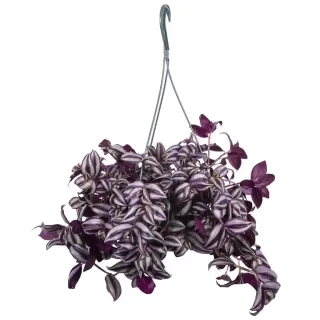
Wandering Jew Plant
Original price was: ₹305.00.₹149.00Current price is: ₹149.00.Add to cartSelling size: This plant comes in a 2.5″ Square pot The Wandering Jew Plant, also known as the Tradescantia! They’re such vibrant and easy-to-love plants. To keep yours thriving, here’s a rundown of Wandering Jew Plant care needs: Light: They absolutely love bright, indirect sunlight. Think of a spot near an east- or west-facing window …

 If you need any assistance, I'm always here. Have you found what you were looking for?