
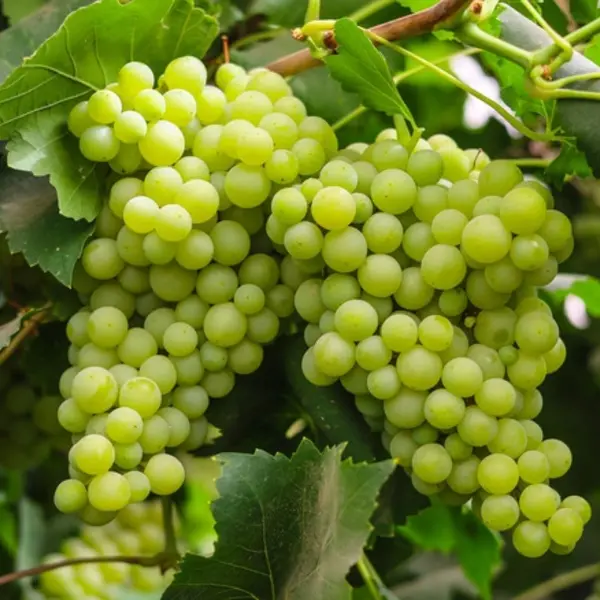
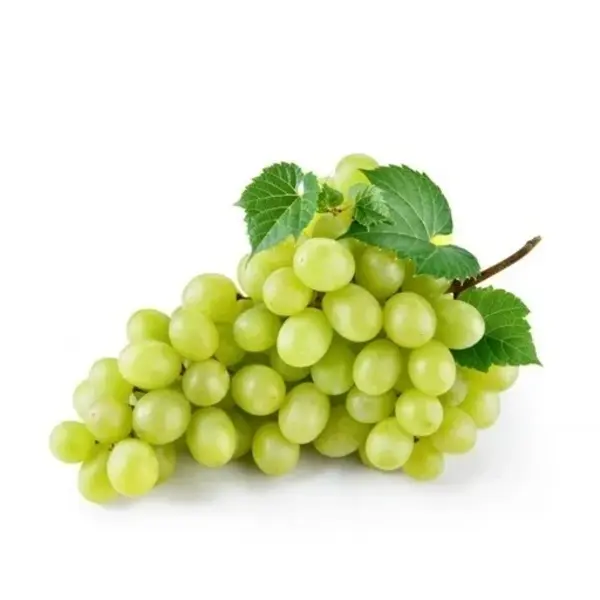

Green Grapes Plant
₹1.00
Out of stock
Email when stock available
Selling Size : Single Plant | Pot Included | Secure Packing
Green Grapes Plant (Vitis vinifera varieties like Thompson Seedless or Sonaka) are popular for their sweet, juicy, and crisp fruit. They are highly productive when provided with proper sunlight, pruning, and well-managed watering. With the right care, a green grapes plant can flourish in home gardens, terraces, and farms. Here is a complete 600-word care guide to help your plant grow vigorous vines and produce high-quality fruit.
Green Grapes Plant – Complete Care Guide :
1. Light Requirements
Green grapevines thrive in full sunlight, requiring at least 6–8 hours of direct sun daily. Sunlight plays a major role in fruit sweetness, flower production, and healthy vine development. Without enough light, the plant becomes weak and produces fewer and sour fruits.
Choose an open space such as a south-facing wall, rooftop, balcony railing, or pergola. Ensure that no trees or buildings cast shade over the plant during most of the day.
2. Temperature & Climate
Green grapes grow well in warm, dry climates. The ideal temperature range is 20°C–32°C. They tolerate slight cold but are sensitive to severe frost, which can damage new shoots or fruit buds.
Dry climates with good airflow prevent fungal diseases and promote healthier fruiting. If your region is humid, proper spacing and ventilation become even more important.
3. Watering
Grapevines need deep, infrequent watering rather than daily sprinkling. Water thoroughly once or twice a week during active growth. In hot summer months, the soil may dry faster, so adjust frequency accordingly.
Avoid overwatering, as constantly wet soil can lead to root rot. Reduce watering during the fruit ripening stage to enhance sweetness and prevent berry splitting. Always allow the top soil to partially dry before watering again.
4. Soil Requirements
Green grapes perform best in loose, well-draining soil. A slightly sandy or loamy soil with a pH of 6.0–7.0 is ideal. Heavy clay soils should be amended with river sand and compost to improve drainage.
Recommended soil mix:
-
40% garden soil
-
30% river sand
-
30% compost or cow manure
If planting in a pot, choose a large container (18–24 inches) with multiple drainage holes. Grapes establish deep root systems, so the soil should never remain compacted.
5. Fertilising
Green grape plants benefit from regular feeding to support vine growth and fruit production. Use:
-
Balanced fertilisers such as NPK 10-10-10 or 14-14-14
-
Organic compost or cow manure in early spring
-
High-potassium fertilisers before flowering to improve fruit sweetness and size
Feed young plants every 45 days. Mature plants need fertiliser 2–3 times a year. Avoid excessive nitrogen, as it encourages leaf growth instead of fruits.
6. Pruning & Training
Pruning is crucial for green grape productivity. Grapevines produce fruit on new shoots, so pruning helps direct energy into high-yielding branches.
Prune in late winter or early spring:
-
Remove dead, thin, or tangled branches
-
Keep strong canes and train them along trellises, wires, or pergola frames
-
Maintain an open structure for airflow
Training systems like the overhead bower method, single-stem cordon, or T-bar trellis allow easier maintenance and heavier fruiting.
7. Flowering & Fruiting
Green grapes bloom in spring, forming clusters that later develop into bunches. Proper sunlight, balanced nutrition, and minimal watering stress are key for good fruit set.
During fruit formation, thinning small or extra clusters can help remaining bunches grow larger and sweeter. Support heavy branches with wires to avoid breakage.
8. Humidity & Air Circulation
Moderate humidity conditions are ideal. High humidity increases the risk of fungal diseases like powdery mildew, downy mildew, and anthracnose.
Ensure:
-
Proper airflow
-
Adequate spacing between vines
-
Pruned branches to allow sunlight penetration
-
Dry leaves during watering
These steps significantly reduce fungal outbreaks.
9. Pests & Diseases
Common pests include:
-
Aphids
-
Mealybugs
-
Thrips
-
Spider mites
For prevention, spray diluted neem oil every 15 days. For fungal issues such as powdery mildew, use organic fungicides or sulfur-based sprays. Maintaining good hygiene and removing fallen plant debris helps prevent disease recurrence.
10. Harvesting
Green grapes are ready to harvest when the berries turn glossy, plump, sweet, and reach their characteristic light green to yellowish-green colour. Grapes do not ripen after harvesting, so always taste one or two before cutting the whole bunch.
Use clean scissors to harvest and handle bunches gently to avoid bruising.
Related products
-
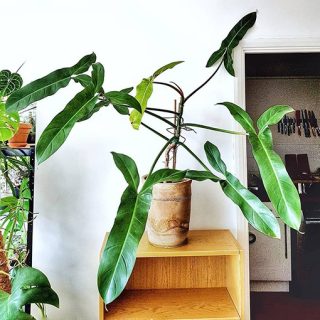
Philodendron Mexicanum
Original price was: ₹1,090.00.₹749.00Current price is: ₹749.00.Add to cartSelling size: Single Plant | Pot included The Philodendron mexicanum is a beautiful vining plant known for its long, arrow-shaped leaves with a striking deep maroon or reddish underside. As its name suggests, it is native to the tropical forests of Mexico. It’s a relatively easy-to-care-for plant, especially for those familiar with other vining philodendrons. …
-
Black zz plant, Raven ZZ Plant
Price range: ₹99.00 through ₹499.00Select options This product has multiple variants. The options may be chosen on the product pageSelling size: Please Choose (Single – Bushy) | 2.5″-5” Pot Included | Secure Packing The Black ZZ Plant, or Raven ZZ Plant (Zamioculcas zamiifolia ‘Raven’), is a popular, exceptionally resilient houseplant known for its striking, nearly black foliage. It shares the easy-care nature of the standard green ZZ plant, making it perfect for beginners or …
-
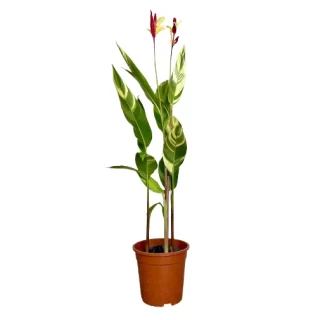
Heliconia Variegated – Super Rare
Original price was: ₹2,599.00.₹1,099.00Current price is: ₹1,099.00.Add to cartPlant size: Single plant | Pot Included | Free shipping The Variegated Heliconia (often a cultivar of Heliconia psittacorum, like ‘Lady Di’ or ‘Golden Torch’) is a striking tropical plant known for its banana-like leaves splashed with stripes of cream, yellow, or white. It is a demanding plant, requiring specific tropical conditions to thrive, especially …
-
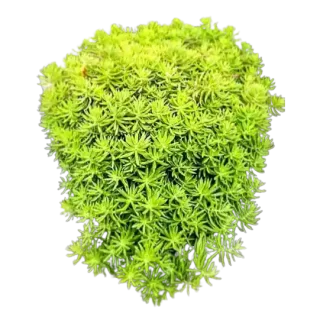
Golden Sedum Plant
Original price was: ₹549.00.₹349.00Current price is: ₹349.00.Add to cartSelling size: Well rooted plan | 2.5″ pot included The Golden Sedum (Sedum adolphii) is a popular succulent known for its bright, fleshy, evergreen leaves that can take on a beautiful golden-yellow or even reddish-pink tint in bright sun. It has a trailing or spreading growth habit, making it a great choice for hanging baskets, …
-
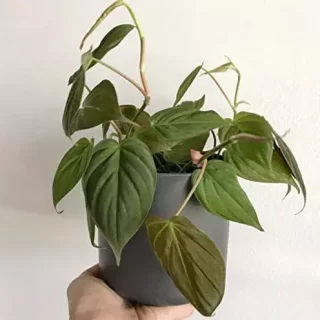
Philodendron Mican plant
Original price was: ₹650.00.₹99.00Current price is: ₹99.00.Add to cartSelling size: A well rooted plant | 2.5″ Pot Included The Philodendron Micans (Philodendron hederaceum ‘Micans’), also known as the Velvet-Leaf Philodendron, is a popular, easy-care trailing or climbing houseplant prized for its unique, velvety, heart-shaped leaves that emerge a beautiful chartreuse/pink and mature to a deep, iridescent, bronze-green with hints of purple. Here is …
-
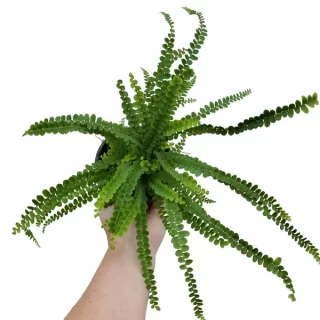
Lemon Button Fern Plant
Original price was: ₹539.00.₹179.00Current price is: ₹179.00.Add to cartSelling Size: Single plant | 2.5″ Pot Included The Lemon Button Fern (Nephrolepis cordifolia ‘Duffii’) is a popular and relatively easy-to-care-for fern. It’s known for its compact, arching fronds with small, button-like leaves and a subtle, lemony scent when you brush against them. Unlike some ferns, it’s a bit more forgiving of indoor conditions, making …
-
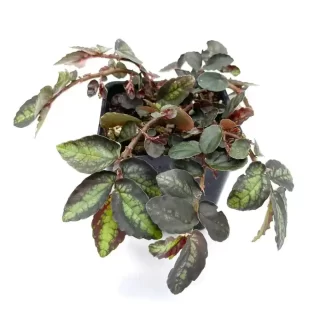
Pellionia repens var. pulchra
Original price was: ₹325.00.₹149.00Current price is: ₹149.00.Add to cartSelling size: Well rooted plant in a jiffy bag | Secure Packing The Pellionia repens var. pulchra, often called the Trailing Watermelon Begonia, is a beautiful and easy-to-care-for trailing plant. Its common name comes from the striking, patterned leaves that resemble the rind of a watermelon. Despite the name, it is not a true begonia …
-
Chlorophytum Spider Live Plant
Original price was: ₹249.00.₹99.00Current price is: ₹99.00.Add to cartSelling size: Well rooted Single plant | 2.5″ Pot included Chlorophytum Spider, also the Spider Plant is an impressive houseplant which is the perfect plant for any beginner. A NASA certified air purifier, its long, green foliage with white variegations look good in both hanging planters and as desktop setups. In favourable conditions, it blooms …

 If you need any assistance, I'm always here. Have you found what you were looking for?