
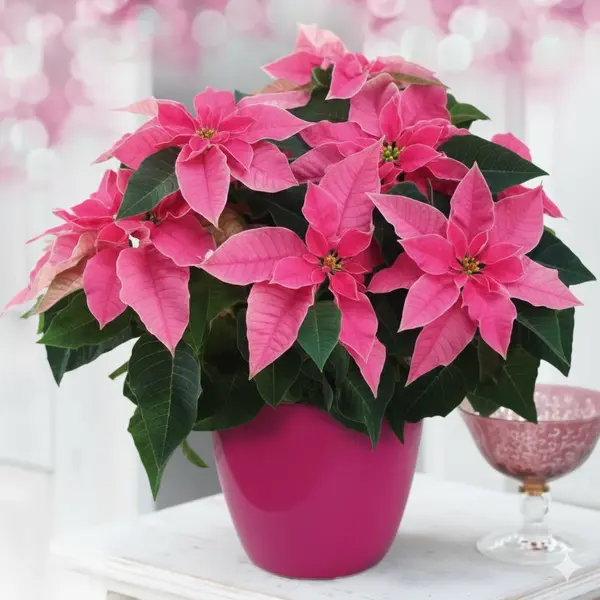
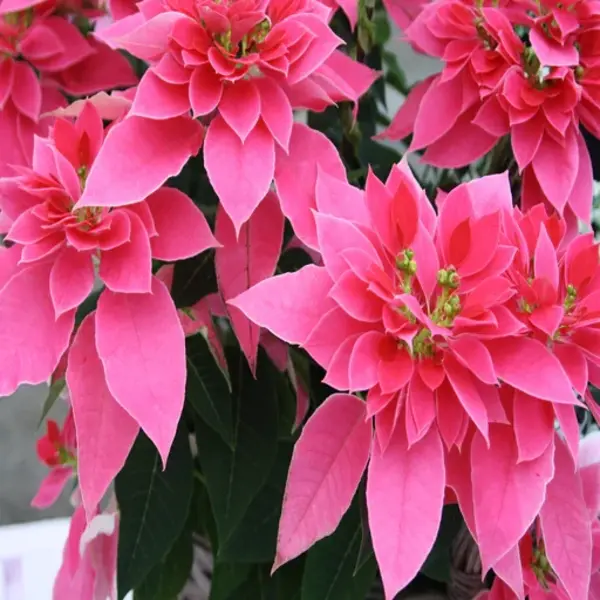

Pink Poinsettia
Original price was: ₹799.00.₹475.00Current price is: ₹475.00.
Selling Size : Single Plant | Pot Included | Secure Packing
The Pink Poinsettia (Euphorbia pulcherrima) is a stunning ornamental plant admired for its soft, rosy pink bracts that bring elegance and charm to indoor spaces. While typically seen during the festive season, this poinsettia variety can live beautifully throughout the year with the right care. It requires good light, stable temperatures, and proper watering to keep the leaves vibrant and the plant healthy.
Pink Poinsettia Care – Complete Guide:
🌞 Light Requirements
Pink Poinsettias need bright, indirect light to maintain their vivid colour and compact growth.
-
Keep them near east- or west-facing windows.
-
Avoid harsh midday sun, which may scorch or fade bracts.
-
Too little light causes the plant to become leggy and lose its colour early.
If your home has low light, use LED grow lights placed about 30–40 cm above the plant. Light plays a big role in the longevity and richness of its pink bracts.
💧 Watering Needs
Watering is one of the most important aspects of poinsettia care.
-
Water when the top 3–4 cm of soil feels dry.
-
Ensure the pot has proper drainage holes.
-
Water thoroughly until excess drains out, then discard the collected water to prevent root rot.
-
During winter, reduce watering slightly as the plant’s growth slows.
Signs of incorrect watering:
-
Overwatering: yellow leaves, soggy stems, sudden leaf drop.
-
Underwatering: drooping, crispy edges on bracts, and dry soil pulling away from the pot.
Maintaining steady moisture—never too dry or too wet—is the key to a happy Pink Poinsettia.
🌱 Soil Mix
A healthy Pink Poinsettia requires well-draining, nutrient-rich soil.
Recommended mix:
-
40% coco peat or peat moss
-
30% compost or well-aged cow dung
-
20% perlite
-
10% coarse sand or bark chips
This blend ensures proper aeration around the roots while retaining just enough moisture.
🌡️ Temperature & Climate
Pink Poinsettias thrive in warm indoor temperatures.
-
Ideal range: 18°C – 25°C
-
Avoid exposure below 12°C—cold drafts can cause the plant to drop leaves quickly.
-
Keep the plant away from heaters, AC vents, and open windows with strong winds.
-
Sudden temperature shifts stress the plant and reduce the life of the bracts.
Stable temperature = longer-lasting colour and healthier foliage.
💦 Humidity Requirements
Moderate humidity improves overall growth and prevents leaf issues.
-
Ideal humidity: 45–60%
-
If the air is dry, use a pebble tray or humidifier nearby.
-
Grouping plants together also helps increase humidity.
Avoid misting directly on the leaves or bracts, as poinsettias are prone to fungal problems when wet.
🌿 Fertilizer Routine
Feed your Pink Poinsettia during active growth seasons for lush foliage and strong stems.
-
Fertilize every 20–30 days from March through September.
-
Use a balanced liquid fertilizer such as NPK 10-10-10 or 19-19-19 at half strength.
-
Organic options like seaweed extract, compost tea, or fish emulsion are also beneficial.
Do not fertilize during the colouring phase (October–December), as this may delay or reduce bract formation.
✂️ Pruning & Maintenance
Pruning helps maintain a full, bushy shape.
-
Prune the plant back by one-third in early spring after the bracts fade.
-
Pinch growing tips in summer to encourage branching.
-
Remove yellow or damaged leaves regularly.
-
Gently wipe leaves with a soft cloth to keep them dust-free.
Pruning also helps improve airflow and prevents pest infestation.
🌸 Reblooming & Regaining Pink Colour
To encourage your plant to develop its pink bracts again next year, follow a short-day lighting schedule.
-
From late September to early December, give the plant 14 hours of complete darkness each night.
-
Keep it in a dark cupboard or cover it with a lightproof box from evening to morning.
-
Ensure bright light during the daytime.
This cycle triggers the colourful bracts to reappear during the winter.
🐛 Pests & Diseases
Common issues include:
-
Mealybugs
-
Whiteflies
-
Spider mites
-
Aphids
-
Root rot due to overwatering
Spray neem oil every 10–15 days for prevention. Improve ventilation and avoid wet leaves to prevent fungal diseases.
🪴 Repotting
Repot your Pink Poinsettia:
-
Every 1–2 years
-
In early spring
-
Moving to a slightly larger pot using fresh soil
Fresh soil boosts growth and prevents compaction.
🌼 Final Note
With the right balance of light, warmth, humidity, and regular pruning, the Pink Poinsettia becomes a long-lasting, colourful houseplant. Its delicate pink bracts add elegance to indoor décor and seasonal displays, making it a perfect plant for both festival charm and year-round beauty.
Related products
-
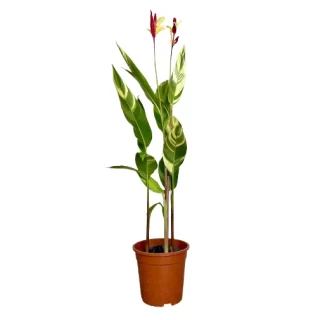
Heliconia Variegated – Super Rare
Original price was: ₹2,599.00.₹1,099.00Current price is: ₹1,099.00.Add to cartPlant size: Single plant | Pot Included | Free shipping The Variegated Heliconia (often a cultivar of Heliconia psittacorum, like ‘Lady Di’ or ‘Golden Torch’) is a striking tropical plant known for its banana-like leaves splashed with stripes of cream, yellow, or white. It is a demanding plant, requiring specific tropical conditions to thrive, especially …
-
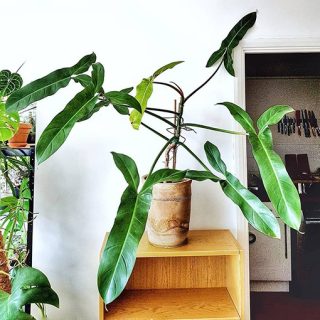
Philodendron Mexicanum
Original price was: ₹1,090.00.₹749.00Current price is: ₹749.00.Add to cartSelling size: Single Plant | Pot included The Philodendron mexicanum is a beautiful vining plant known for its long, arrow-shaped leaves with a striking deep maroon or reddish underside. As its name suggests, it is native to the tropical forests of Mexico. It’s a relatively easy-to-care-for plant, especially for those familiar with other vining philodendrons. …
-
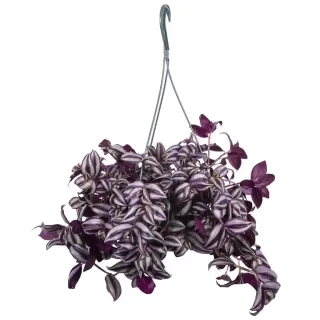
Wandering Jew Plant
Original price was: ₹305.00.₹149.00Current price is: ₹149.00.Add to cartSelling size: This plant comes in a 2.5″ Square pot The Wandering Jew Plant, also known as the Tradescantia! They’re such vibrant and easy-to-love plants. To keep yours thriving, here’s a rundown of Wandering Jew Plant care needs: Light: They absolutely love bright, indirect sunlight. Think of a spot near an east- or west-facing window …
-
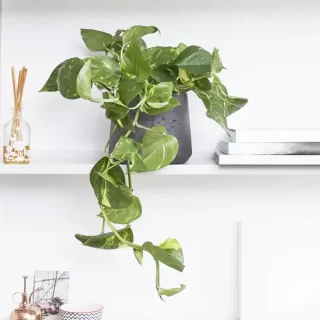
Golden Pothos
Original price was: ₹355.00.₹99.00Current price is: ₹99.00.Add to cartSelling size : Well rooted plant | 2.5″ pot included The Golden Pothos (Epipremnum aureum), also known as Devil’s Ivy, is one of the most popular and easiest houseplants to care for, making it an excellent choice for beginners. It’s a vining plant with heart-shaped leaves that are a vibrant green, often with splashes or …
-
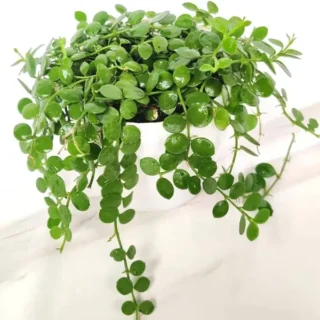
String Of Nickels (Dischidia nummularia)
Price range: ₹99.00 through ₹599.00Select options This product has multiple variants. The options may be chosen on the product pageSelling size: Well rooted plant in a Jiffy bag The Dischidia nummularia, commonly known as the String of Nickels or Button Orchid, is a delightful and easy-to-care-for trailing epiphyte. Its common name comes from its small, round, coin-shaped leaves that densely cover its long, slender stems. As a relative of the Hoya, it shares a similar …
-
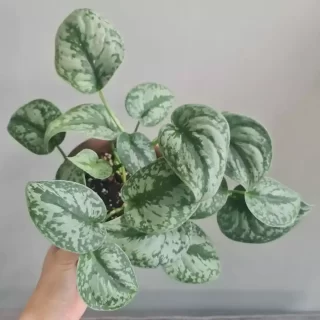
Scindapsus Pictus Exotica
Original price was: ₹380.00.₹99.00Current price is: ₹99.00.Add to cartSelling size: Single Plant | 2.5″ Pot Included The Scindapsus Pictus Exotica, also known as the silver pothos, is a houseplant with large, dark green leaves that have silver spots and mottling. Here’s a guide to caring for your Scindapsus pictus Exotica plant: Light: Prefers bright, indirect light. An east or west-facing window that’s about …
-
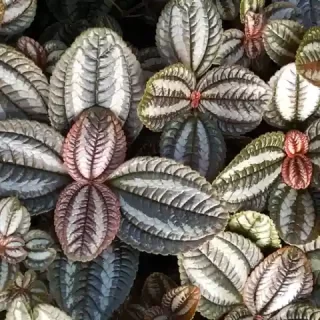
Pilea involucrata ‘Norfolk’ – Friendship Plant
Original price was: ₹450.00.₹199.00Current price is: ₹199.00.Add to cartSize: Single Plant | 2.5″ Pot Included | Free Shipping The Pilea involucrata ‘Norfolk’, commonly known as the Friendship Plant, is a delightful houseplant celebrated for its unique, velvety, quilted foliage. The leaves have a rich texture and a beautiful color palette, with deep green and bronze tones on the upper surface and a reddish-purple …
-
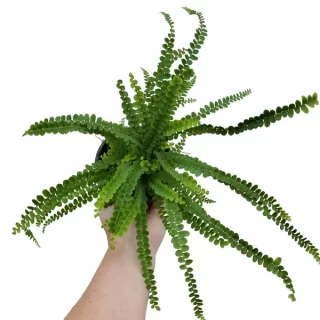
Lemon Button Fern Plant
Original price was: ₹539.00.₹179.00Current price is: ₹179.00.Add to cartSelling Size: Single plant | 2.5″ Pot Included The Lemon Button Fern (Nephrolepis cordifolia ‘Duffii’) is a popular and relatively easy-to-care-for fern. It’s known for its compact, arching fronds with small, button-like leaves and a subtle, lemony scent when you brush against them. Unlike some ferns, it’s a bit more forgiving of indoor conditions, making …
 If you need any assistance, I'm always here. Have you found what you were looking for?