
Begonia Escargot
Original price was: ₹849.00.₹449.00Current price is: ₹449.00.
Selling Size : Single Plant | Pot Included | Secure Packing
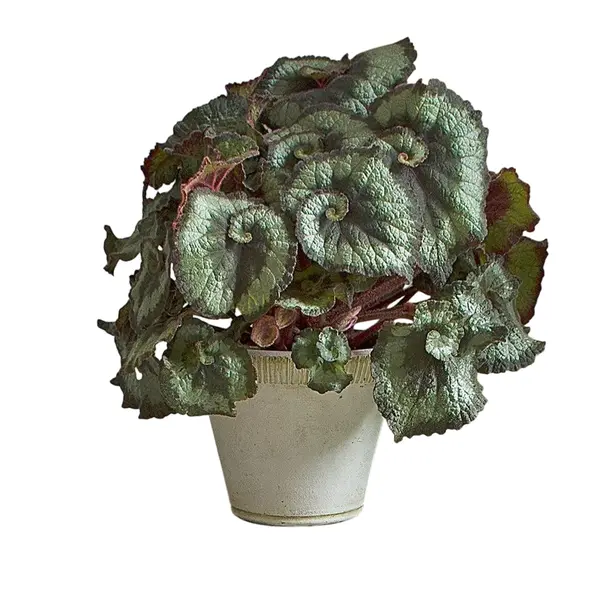
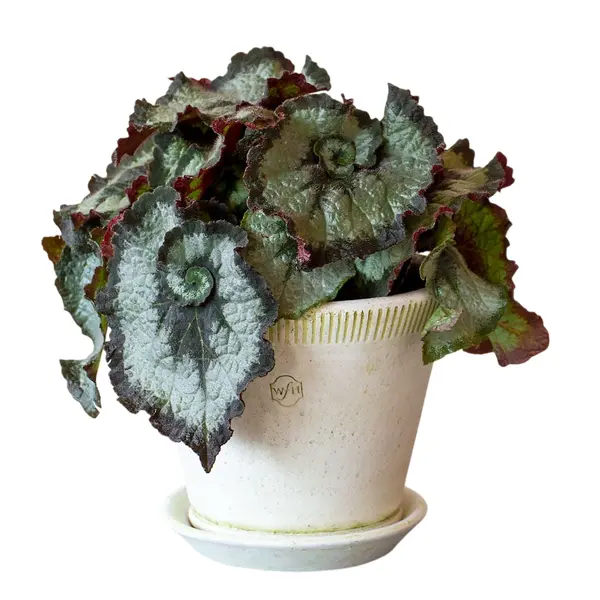
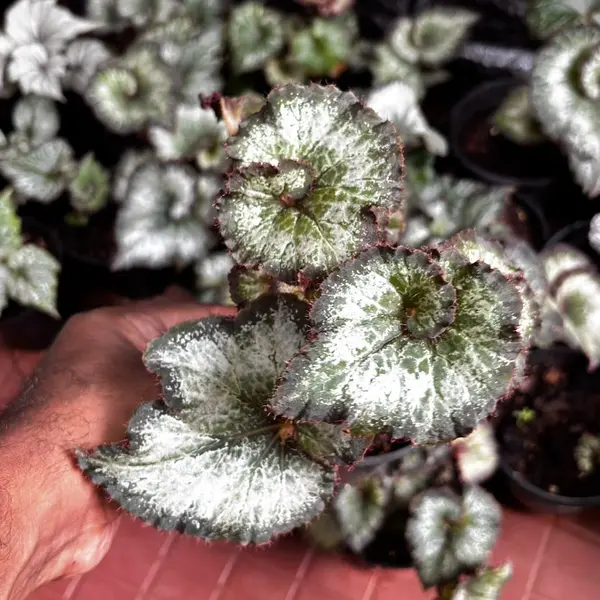
Begonia Escargot, also known as the Snail Begonia, is one of the most striking Rex Begonias, famous for its spiral-patterned leaves resembling a snail shell. Though stunning, it can be a bit fussy and needs proper humidity, stable moisture, and indirect light. With the right care, it grows beautifully indoors.
Begonia Escargot Care – Complete Guide :
🌿 Light Requirements
Begonia Escargot thrives in bright, indirect light. Too much direct sun scorches the delicate leaves, while very low light dulls colors and slows growth.
-
Place near an east- or north-facing window.
-
If using a south or west window, keep it behind a thin curtain.
-
Avoid dark corners—this causes leaf drop and fading of its trademark spiral pattern.
Artificial grow lights can be used, but keep them at least 30–40 cm away to avoid overheating the foliage.
💧 Watering Needs
Watering is the trickiest part of Rex Begonia care. Escargot prefers evenly moist soil but hates waterlogging.
Key tips:
-
Water when the top 2–3 cm of soil feels dry.
-
Always use room-temperature water.
-
Avoid wetting the leaves; droplets can cause spotting or fungal issues.
-
Ensure excess water drains out completely—never allow the pot to sit in water.
Overwatering leads to root rot, while underwatering causes curled, crispy edges.
🌱 Soil Mix
Begonia Escargot needs a light, airy, fast-draining soil to keep roots healthy.
Recommended mix:
-
40% coco peat or peat moss
-
30% perlite
-
20% compost or well-decomposed leaf mold
-
10% pine bark (optional but recommended)
This mixture keeps moisture but prevents soggy conditions. A well-draining pot with holes is essential.
🌡️ Temperature Requirements
This Begonia is sensitive to temperature fluctuations.
-
Ideal range: 18°C – 26°C
-
Avoid temperatures below 15°C
-
Protect from cold drafts and strong winds
-
Keep away from AC vents or heaters
Sudden temperature changes can cause leaf curling, greying, or wilting.
💦 Humidity Needs
Humidity is extremely important.
-
Ideal humidity: 55–70%
-
Too low humidity makes leaves dry and brittle.
-
Too high humidity without airflow causes mold.
Tips to maintain humidity:
-
Use a pebble tray with water under (but not touching) the pot.
-
Group plants together.
-
Use a small room humidifier.
-
Avoid misting directly on leaves—this increases fungal risks.
Good air circulation prevents fungal spots.
🌿 Fertilizer
Feed your Begonia Escargot every 20–25 days during the growing season (February–October in warm climates).
Use:
-
A balanced NPK 10-10-10 fertilizer at half strength, or
-
An organic option like seaweed extract or vermicompost tea
Avoid overfeeding—salt buildup damages roots and causes leaf burning.
Stop fertilizing during winter when the plant slows down.
🍃 Pruning & Maintenance
Regular pruning helps maintain shape and encourages new growth.
-
Remove yellowing or damaged leaves.
-
Clean the leaf surface gently with a soft brush to remove dust.
-
Rotate the pot weekly to maintain even growth.
Avoid touching the leaves too much—their delicate texture bruises easily.
🏺 Repotting
Begonia Escargot doesn’t like frequent repotting.
Repot only when:
-
Roots circle the bottom
-
Soil becomes compact
-
Plant stops growing
Do this once every 1–2 years, preferably in early spring.
Choose a pot only one size larger.
🐞 Pests & Diseases
Common issues:
-
Powdery mildew due to low airflow
-
Root rot from overwatering
-
Red spider mites in low humidity
-
Mealybugs and thrips on tender leaves
Treat infestations with neem oil spray (never in strong sunlight) or insecticidal soap.
Good moisture control and airflow are the best prevention.
🌱 Propagation
Escargot is usually propagated using leaf cuttings.
-
Cut a healthy leaf with its petiole.
-
Place it in moist soil or sphagnum moss.
-
Keep in high humidity until roots form.
Growth takes a few weeks but is highly rewarding.
Related products
-
Philodendron Mexicanum
Original price was: ₹1,090.00.₹749.00Current price is: ₹749.00.Add to cartSelling size: Single Plant | Pot included The Philodendron mexicanum is a beautiful vining plant known for its long, arrow-shaped leaves with a striking deep maroon or reddish underside. As its name suggests, it is native to the tropical forests of Mexico. It’s a relatively easy-to-care-for plant, especially for those familiar with other vining philodendrons. …
-
Dischidia Ruscifolia (Million Hearts)
Price range: ₹199.00 through ₹499.00Select options This product has multiple variants. The options may be chosen on the product pagePlant Size: Single plant | 2.5″-6″ Pot Included The Dischidia Ruscifolia (Million Hearts), commonly known as the Million Hearts plant, is a delightful and easy-to-care-for trailing epiphyte. Its name comes from the abundance of small, heart-shaped leaves that densely cover its slender stems. As a member of the same family as Hoyas, its care …
-
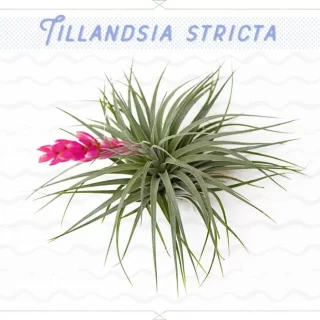
Tillandsia Stricta (Air plant)
Original price was: ₹400.00.₹199.00Current price is: ₹199.00.Add to cartSelling size: Single plant | Secure Packing The Tillandsia Stricta (Air plant) is one of the most popular and adaptable species of air plants, known for its soft, green-silver foliage and beautiful blooms. Like all air plants, it is epiphytic, meaning it absorbs all its water and nutrients through its leaves from the air, not …
-
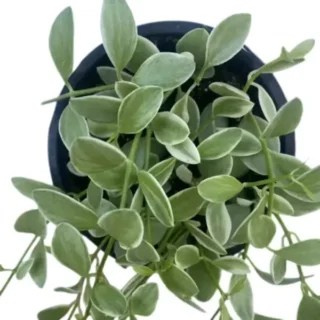
String Of Nickels (Dischidia nummularia)
Price range: ₹99.00 through ₹599.00Select options This product has multiple variants. The options may be chosen on the product pageSelling size: Well rooted plant in a Jiffy bag The Dischidia nummularia, commonly known as the String of Nickels or Button Orchid, is a delightful and easy-to-care-for trailing epiphyte. Its common name comes from its small, round, coin-shaped leaves that densely cover its long, slender stems. As a relative of the Hoya, it shares a similar …
-
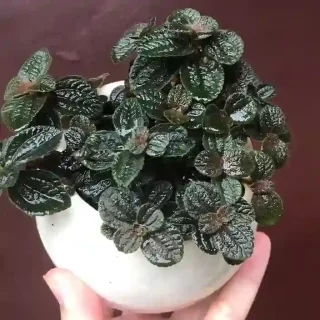
Pilea Repens, Black Panamiga
Original price was: ₹280.00.₹149.00Current price is: ₹149.00.Add to cartSize: Single Plant | Jiffy Bag Caring for a Pilea Ripens (also known as Black Panamiga) involves understanding its specific needs to ensure it thrives. Here’s a breakdown of Pilea Repens, Black Panamiga key care aspects: Key Care Points: Light: Pilea repens prefers bright, indirect sunlight. Direct sunlight can scorch its leaves. Rotating the plant …
-
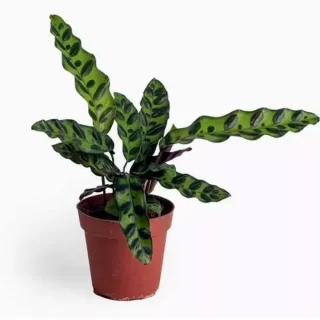
Calathiya Rattlesnake Plant
Price range: ₹125.00 through ₹549.00Select options This product has multiple variants. The options may be chosen on the product pageSelling size: Please Choose | Secure Packing | 2.5″-4″ Pot Included Calathiya rattlesnake is a plant easy to care for. However, there are a few measures and precautions you need to take to grow and maintain yours. Here’s a comprehensive guide for rattlesnake plant : Light Calathea Lancifolia prefers bright, indirect light. Like most variegated …
-
Lemon Button Fern Plant
Original price was: ₹539.00.₹179.00Current price is: ₹179.00.Add to cartSelling Size: Single plant | 2.5″ Pot Included The Lemon Button Fern (Nephrolepis cordifolia ‘Duffii’) is a popular and relatively easy-to-care-for fern. It’s known for its compact, arching fronds with small, button-like leaves and a subtle, lemony scent when you brush against them. Unlike some ferns, it’s a bit more forgiving of indoor conditions, making …


 If you need any assistance, I'm always here. Have you found what you were looking for?