


Dendrobium (ds-038)
₹275.00
selling size:single plant
Selling Size : Single Plant | Secure Packing
Here’s the detailed care guide for Dendrobium (ds-038) — a beautiful and hardy hybrid variety admired for its upright canes, vibrant blooms, and easy adaptability 🌸🌿
Here’s the detailed care guide for Dendrobium (ds-038):
🌿 General Overview
Botanical Name: Dendrobium spp. (Hybrid DS-038)
Common Name: Dendrobium Orchid
Type: Epiphytic perennial orchid
Growth Habit: Upright canes (pseudobulbs) with alternating leaves and clusters of showy flowers
Flower Color (DS-038): Usually bright purple, white, or pink — depending on the hybrid
☀️ Light
-
Requires bright, indirect sunlight for strong growth and abundant blooms.
-
Can tolerate mild morning or evening sunlight, but avoid direct midday rays.
-
If leaves turn dark green, it needs more light; if yellowish, reduce light exposure.
✅ Ideal location: Near an east or north-facing window or bright shaded balcony.
💧 Watering
-
Water 2–3 times per week during warm months.
-
Let the top layer (2–3 cm) of the potting medium dry before the next watering.
-
Reduce watering to once a week in winter or during dormancy.
💡 Tip: Avoid standing water — Dendrobiums prefer slight dryness between waterings.
🌡️ Temperature
-
Ideal range: 18–30°C
-
A cooler night temperature (5–7°C lower) helps trigger flower spikes.
-
Avoid exposure below 12°C or cold air drafts.
🌫️ Humidity
-
Prefers 50–70% humidity.
-
Mist lightly in dry conditions or use a pebble tray beneath the pot.
-
Ensure good air circulation to prevent fungal issues.
🌱 Potting Medium
-
Use a chunky, well-draining orchid mix:
-
50% orchid bark + 25% charcoal + 25% coco chips or perlite.
-
-
Roots need airflow; avoid compact soil.
-
Transparent or slotted orchid pots help monitor root health.
🌸 Fertilizer
-
Feed every 2–3 weeks during active growth (spring–autumn).
-
Use a balanced orchid fertilizer (20-20-20) at ¼–½ strength.
-
Before blooming, switch to a bloom booster (10-30-20).
-
Reduce or stop fertilizing during dormancy.
🪴 Repotting
-
Repot every 2–3 years or when roots crowd the pot.
-
Best done after flowering, when new shoots appear.
-
Trim dead roots and replace with fresh, airy orchid mix.
✂️ After Bloom Care
-
Cut off spent flower spikes but keep green canes intact — they store nutrients.
-
Old canes may produce keikis (baby plants) or help nourish new growth.
-
Continue regular care to support new shoots.
⚠️ Common Problems Dendrobium (ds-038)
| Problem | Cause | Solution |
|---|---|---|
| Yellow leaves | Overwatering or old leaf drop | Adjust watering; remove dead leaves only |
| Wrinkled canes | Underwatering or root damage | Check roots and adjust watering |
| No blooms | Low light or no cool period | Increase light; provide night temp drop |
| Root rot | Poor drainage | Repot in airy orchid mix; trim damaged roots |
🌿 Propagation
-
Keiki propagation:
-
Small baby plants may form on old canes.
-
Once roots reach 4–5 cm, detach and pot separately.
-
Keep in warm, humid conditions until established.
-
🌸 Blooming Tips
-
Provide bright filtered light and nighttime cooling before the flowering season.
-
Use bloom fertilizer (high phosphorus) 4–6 weeks before bloom time.
-
Avoid repotting just before or during bloom — it may abort buds.
-
Stable humidity and airflow improve flower life.
🌼 Quick Care Summary
| Factor | Ideal Condition |
|---|---|
| Light | Bright, indirect light |
| Water | 2–3× weekly (less in winter) |
| Humidity | 50–70% |
| Temperature | 18–30°C |
| Fertilizer | Every 2–3 weeks (half strength) |
| Repotting | Every 2–3 years |
| Propagation | Keikis or division |
You must be logged in to post a review.
Related products
-
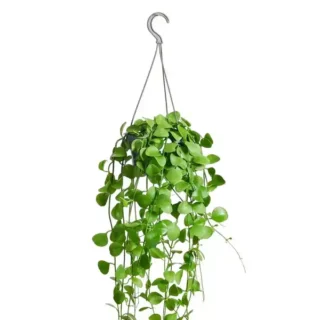
Dischidia Oiantha plant
Price range: ₹99.00 through ₹599.00Select options This product has multiple variants. The options may be chosen on the product pagePlant Size: Single plant | Secure Packing The Dischidia oiantha, often referred to as a “Hoya cousin,” is a charming, easy-to-care-for epiphyte with trailing vines and small, oval, succulent-like leaves. It’s a great choice for hanging baskets or for adding a touch of whimsy to a shelf. Here is a comprehensive guide to caring for …
-
Black zz plant, Raven ZZ Plant
Price range: ₹99.00 through ₹499.00Select options This product has multiple variants. The options may be chosen on the product pageSelling size: Please Choose (Single – Bushy) | 2.5″-5” Pot Included | Secure Packing The Black ZZ Plant, or Raven ZZ Plant (Zamioculcas zamiifolia ‘Raven’), is a popular, exceptionally resilient houseplant known for its striking, nearly black foliage. It shares the easy-care nature of the standard green ZZ plant, making it perfect for beginners or …
-
Spanish Moss Air Plant
Price range: ₹49.00 through ₹1,699.00Select options This product has multiple variants. The options may be chosen on the product pageSelling size: PLEASE CHOOSE Spanish Moss Air Plant – CARE INSTRUCTIONS Scientific name: Tillandsia usneoides Synonyms: Old man’s beard, Spanish Moss, French Hair, Spanish Beard Spanish Moss is a delicate silvery-grey air plant that is often used to hang in trees or as a gorgeous decor piece without the need for soil. Despite its name, Spanish Moss …
-
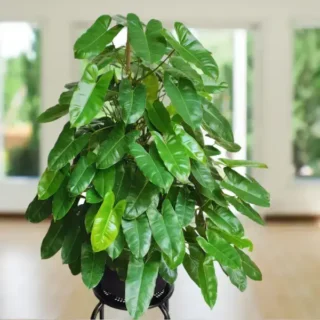
Philodendron Burle Marx Plant
Original price was: ₹485.00.₹149.00Current price is: ₹149.00.Add to cartSelling size: Single plant | Pot Included | Secure Packing The Philodendron Burle Marx is a fantastic and relatively easy-to-care-for plant, known for its glossy, spade-shaped leaves and dense, clumping growth. It’s often recommended as a great choice for beginner houseplant owners. Here is a comprehensive care guide for your Philodendron Burle Marx: Light …
-
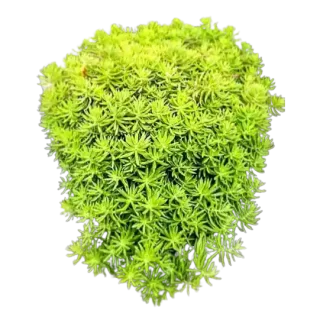
Golden Sedum Plant
Original price was: ₹549.00.₹349.00Current price is: ₹349.00.Add to cartSelling size: Well rooted plan | 2.5″ pot included The Golden Sedum (Sedum adolphii) is a popular succulent known for its bright, fleshy, evergreen leaves that can take on a beautiful golden-yellow or even reddish-pink tint in bright sun. It has a trailing or spreading growth habit, making it a great choice for hanging baskets, …
-
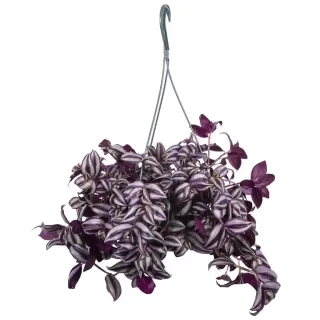
Wandering Jew Plant
Original price was: ₹305.00.₹149.00Current price is: ₹149.00.Add to cartSelling size: This plant comes in a 2.5″ Square pot The Wandering Jew Plant, also known as the Tradescantia! They’re such vibrant and easy-to-love plants. To keep yours thriving, here’s a rundown of Wandering Jew Plant care needs: Light: They absolutely love bright, indirect sunlight. Think of a spot near an east- or west-facing window …
-
Philodendron Xanadu
Original price was: ₹450.00.₹199.00Current price is: ₹199.00.Add to cartSelling size:Well rooted plant | 2.5″ Pot Included | Secure Packing The Philodendron Xanadu, now officially classified as Thaumatophyllum xanadu, is a fantastic and relatively easy-to-care-for houseplant. It’s known for its compact, bushy growth habit and deeply lobed, glossy green leaves that give it a sophisticated, tropical look. Here is a complete guide to caring …



 If you need any assistance, I'm always here. Have you found what you were looking for?
Reviews
There are no reviews yet.