
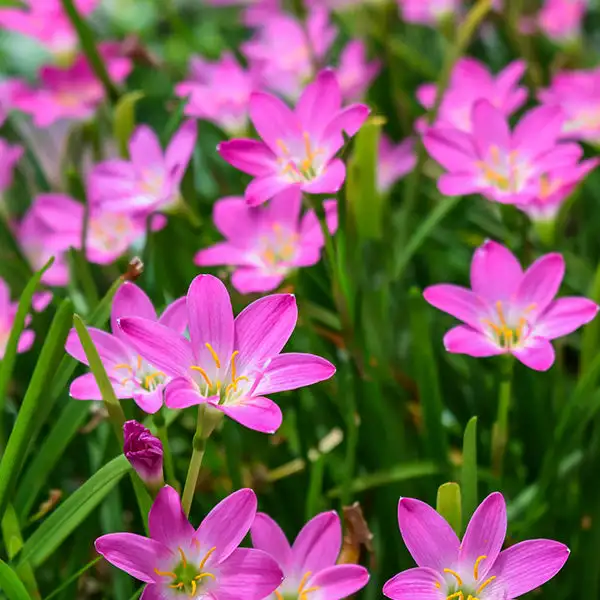

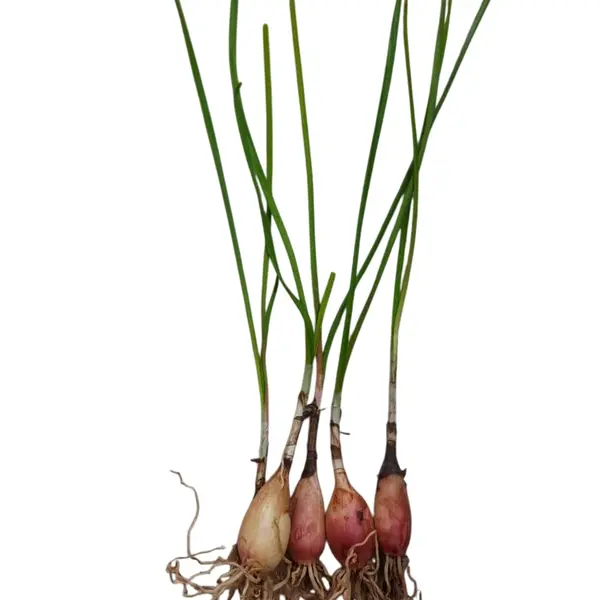
Rain Lily-Bulb
Original price was: ₹99.00.₹9.00Current price is: ₹9.00.
Selling Part : A Bulb | Secure Packing
Rain lilies (Zephyranthes) are charming, low-maintenance bulbs that are known for their sudden and dramatic blooms, often appearing just after a rainfall. They are a great choice for both novice and experienced gardeners.
Here’s a guide to the care Rain Lily-Bulb :
1. Planting
- When to Plant: The best time to plant rain lily bulbs outdoors is in the spring after the last frost has passed.
- Location: Choose a spot that gets full sun, ideally six hours or more of direct sunlight per day. They can tolerate some dappled or afternoon shade, especially in hot climates.
- Soil: Rain lilies prefer well-draining soil. While they can tolerate a variety of soil types, from boggy to sandy, good drainage is key to prevent bulb rot. You can amend heavy clay soil with compost to improve drainage.
- Planting Depth and Spacing:
- In the ground: Plant the bulbs 1-2 inches deep (or about four times as deep as the bulb’s diameter) and 2-4 inches apart.
- In containers: Rain lilies do well in pots and prefer to be crowded. Plant the bulbs closer together, about 1-2 inches deep.
2. Watering
- Establishment: Water the bulbs thoroughly after planting to settle the soil around them.
- During Growth: Once established, rain lilies are drought-tolerant. However, they need consistent moisture during the growing season to thrive. Water them about once a week in spring and summer, especially if there is a dry spell.
- Blooming: The name “rain lily” is no joke—a good, deep watering or a summer soaking is what often triggers their beautiful blooms. If you want to encourage flowering, give them a good drink during dry periods.
- Winter: Reduce watering significantly in the cooler months as the plants may go dormant.
3. Fertilization
- In-Ground Plants: Rain lilies planted in garden soil generally do not require heavy fertilization. An annual springtime application of compost is usually sufficient to provide them with the nutrients they need.
- Container Plants: Because nutrients can wash out of containers, you can fertilize potted rain lilies with a balanced, water-soluble fertilizer every 4-6 weeks during the growing season. However, be careful not to over-fertilize, as too much nitrogen can prevent blooming.
4. Pruning and Maintenance
- Deadheading: To encourage more blooms, pinch or cut off spent flowers (deadhead them).
- Foliage: The foliage is mostly evergreen. Leave the leaves in place after the flowers have faded. The leaves will continue to photosynthesize, producing food that strengthens the bulb for the next blooming cycle. You can trim the foliage back once it has turned brown and died back naturally.
5. Propagation
- Rain lilies are easy to propagate from the offsets (new bulbs) that grow on the mature bulbs.
- The best time to divide them is during their dormancy period in the winter.
- Gently dig up the bulbs, separate the offsets, and replant them in a new location or pot.
6. Pests and Problems
- Rain lilies are generally resistant to most pests and diseases.
- Keep an eye out for slugs and snails, which may nibble on the foliage.
- The most common reason for a rain lily not blooming is a lack of adequate sunlight, planting the bulbs too shallowly, or over-fertilizing.
You must be logged in to post a review.
Related products
-
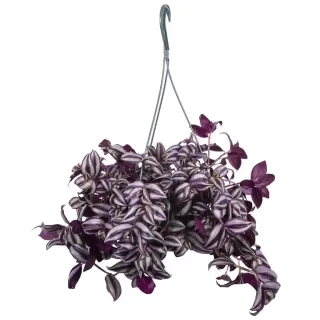
Wandering Jew Plant
Original price was: ₹305.00.₹149.00Current price is: ₹149.00.Add to cartSelling size: This plant comes in a 2.5″ Square pot The Wandering Jew Plant, also known as the Tradescantia! They’re such vibrant and easy-to-love plants. To keep yours thriving, here’s a rundown of Wandering Jew Plant care needs: Light: They absolutely love bright, indirect sunlight. Think of a spot near an east- or west-facing window …
-
Chlorophytum Spider Live Plant
Original price was: ₹249.00.₹99.00Current price is: ₹99.00.Add to cartSelling size: Well rooted Single plant | 2.5″ Pot included Chlorophytum Spider, also the Spider Plant is an impressive houseplant which is the perfect plant for any beginner. A NASA certified air purifier, its long, green foliage with white variegations look good in both hanging planters and as desktop setups. In favourable conditions, it blooms …
-
Dischidia nummularia (Pebble Beach/ Button Orchid)
Price range: ₹99.00 through ₹599.00Select options This product has multiple variants. The options may be chosen on the product pagePlant Size: Single plant | 2.5″ Pot Included he Dischidia nummularia, commonly known as the String of Nickels, Pebble Beach plant, or Button Orchid, is a charming epiphyte with trailing stems covered in small, round, succulent-like leaves. It’s a great choice for hanging baskets and is known for being relatively easy to care for, especially …
-
Spanish Moss Air Plant
Price range: ₹49.00 through ₹1,699.00Select options This product has multiple variants. The options may be chosen on the product pageSelling size: PLEASE CHOOSE Spanish Moss Air Plant – CARE INSTRUCTIONS Scientific name: Tillandsia usneoides Synonyms: Old man’s beard, Spanish Moss, French Hair, Spanish Beard Spanish Moss is a delicate silvery-grey air plant that is often used to hang in trees or as a gorgeous decor piece without the need for soil. Despite its name, Spanish Moss …
-
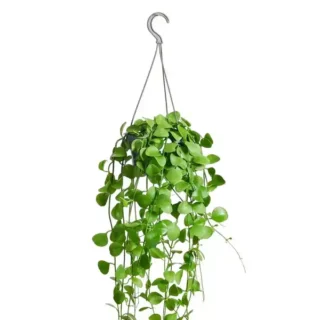
Dischidia Ruscifolia (Million Hearts)
Price range: ₹199.00 through ₹499.00Select options This product has multiple variants. The options may be chosen on the product pagePlant Size: Single plant | 2.5″-6″ Pot Included The Dischidia Ruscifolia (Million Hearts), commonly known as the Million Hearts plant, is a delightful and easy-to-care-for trailing epiphyte. Its name comes from the abundance of small, heart-shaped leaves that densely cover its slender stems. As a member of the same family as Hoyas, its care …
-
Black zz plant, Raven ZZ Plant
Price range: ₹99.00 through ₹499.00Select options This product has multiple variants. The options may be chosen on the product pageSelling size: Please Choose (Single – Bushy) | 2.5″-5” Pot Included | Secure Packing The Black ZZ Plant, or Raven ZZ Plant (Zamioculcas zamiifolia ‘Raven’), is a popular, exceptionally resilient houseplant known for its striking, nearly black foliage. It shares the easy-care nature of the standard green ZZ plant, making it perfect for beginners or …
-
Dischidia Oiantha plant
Price range: ₹99.00 through ₹599.00Select options This product has multiple variants. The options may be chosen on the product pagePlant Size: Single plant | Secure Packing The Dischidia oiantha, often referred to as a “Hoya cousin,” is a charming, easy-to-care-for epiphyte with trailing vines and small, oval, succulent-like leaves. It’s a great choice for hanging baskets or for adding a touch of whimsy to a shelf. Here is a comprehensive guide to caring for …
-
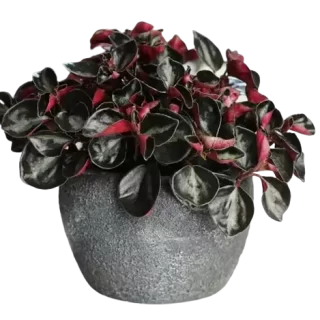
Columbian Peperomia (Galaxy pepperomia)
Original price was: ₹345.00.₹183.65Current price is: ₹183.65.Read moreSelling size:Well rooted plant in a jiffy bag The Columbian Peperomia (Peperomia metallica var. columbiana) is a visually striking and relatively low-maintenance houseplant. It is also sometimes sold as “Galaxy Peperomia,” a name that hints at its unique foliage. This plant is known for its beautiful, semi-succulent leaves that have a dark green or bronze-purple …





 If you need any assistance, I'm always here. Have you found what you were looking for?
Reviews
There are no reviews yet.