
Moon Valley friendship plant
Original price was: ₹399.00.₹149.00Current price is: ₹149.00.
Selling Size : Single Plant | Pot Included | Secure Packing
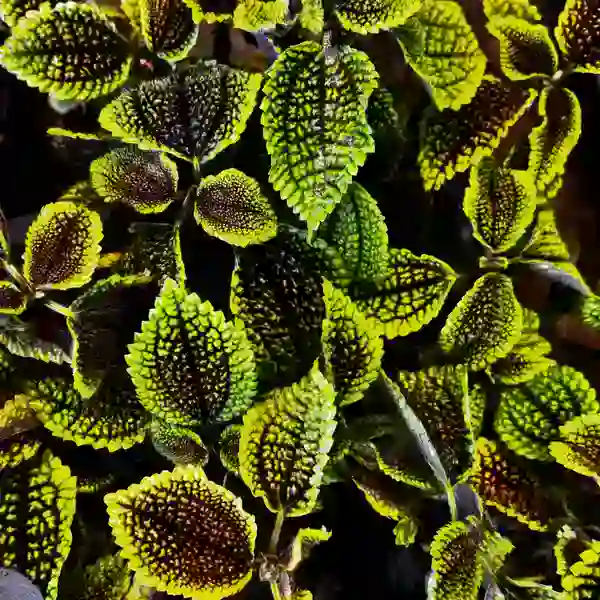
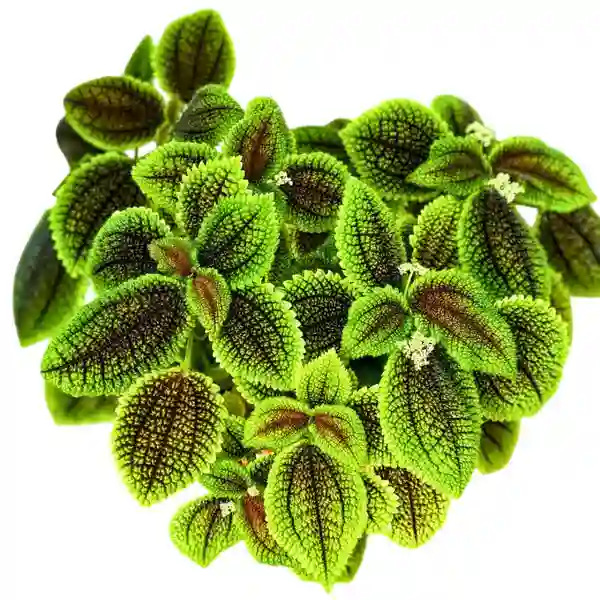
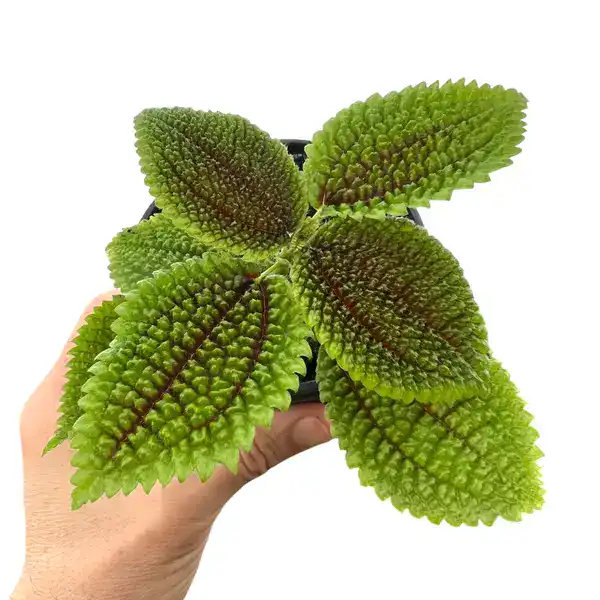
The Moon Valley friendship plant (Pilea involucrata ‘Moon Valley’) is a beautiful tropical houseplant known for its unique, textured foliage.
Here’s a guide to its care Moon Valley friendship plant :
Light
- Bright, indirect light is best. This plant thrives in filtered light, similar to its native rainforest floor habitat.
- Avoid direct sunlight, which can scorch its delicate leaves. An east or north-facing window is often ideal. If you have a south or west-facing window, place the plant a few feet back or use a sheer curtain to diffuse the light.
- Low-light tolerance. While it can survive in lower light, its foliage may become less vibrant and the stems may become leggy.
Watering
- Keep the soil consistently moist but not waterlogged. The key is to find a balance.
- Check the soil before watering. Water the plant when the top inch or two of the soil feels dry to the touch.
- Ensure proper drainage. The pot must have drainage holes to prevent the roots from sitting in water, which can lead to root rot.
- Reduce watering in the winter. During the cooler months, the plant’s growth slows down, so it requires less water.
Humidity & Temperature
- High humidity is crucial. As a tropical plant, it thrives in environments with high humidity (around 50-70% or higher).
- How to increase humidity:
- Place the plant on a pebble tray filled with water.
- Use a humidifier nearby.
- Group it with other plants to create a more humid microclimate.
- Avoid misting the leaves, as it can cause water spots.
- Maintain a warm temperature. The ideal temperature range is between 60°F and 75°F (15°C to 24°C). Avoid cold drafts and temperatures below 50°F (10°C).
Soil
- Use a well-draining, rich potting mix. A mix with good organic matter is best.
- A mix designed for African violets can work well as it retains moisture while providing adequate drainage. You can also create your own mix with a combination of peat moss or coco coir, and perlite to improve aeration.
Fertilizing
- Fertilize during the growing season. From spring through summer, feed your plant with a balanced, liquid fertilizer diluted to half strength.
- Do not fertilize in fall and winter. The plant’s growth is dormant during this time and does not need extra nutrients.
Pruning and Propagation
- Prune to maintain a bushy shape. Pinch or trim back any leggy stems to encourage new, compact growth.
- Propagation is easy. You can propagate the plant from stem cuttings. Place the cuttings in water or moist soil, and they should root in a few weeks.
Common Problems
- Yellowing leaves: This is often a sign of overwatering. Check the soil moisture and ensure the pot has good drainage.
- Brown, crispy leaves: This can indicate the plant is getting too much direct sunlight or not enough humidity.
- Pests: The plant is generally pest-resistant, but keep an eye out for common houseplant pests like spider mites, mealybugs, and aphids.
You must be logged in to post a review.
Related products
-
Dischidia Ruscifolia (Million Hearts)
Price range: ₹199.00 through ₹499.00Select options This product has multiple variants. The options may be chosen on the product pagePlant Size: Single plant | 2.5″-6″ Pot Included The Dischidia Ruscifolia (Million Hearts), commonly known as the Million Hearts plant, is a delightful and easy-to-care-for trailing epiphyte. Its name comes from the abundance of small, heart-shaped leaves that densely cover its slender stems. As a member of the same family as Hoyas, its care …
-
Philodendron Mexicanum
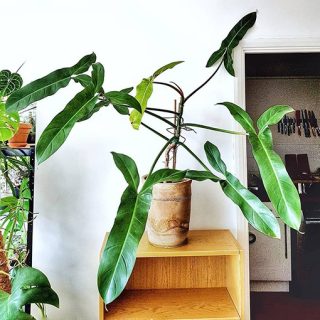
Original price was: ₹1,090.00.₹749.00Current price is: ₹749.00.Add to cartSelling size: Single Plant | Pot included The Philodendron mexicanum is a beautiful vining plant known for its long, arrow-shaped leaves with a striking deep maroon or reddish underside. As its name suggests, it is native to the tropical forests of Mexico. It’s a relatively easy-to-care-for plant, especially for those familiar with other vining philodendrons. …
-
Spanish Moss Air Plant
Price range: ₹49.00 through ₹1,699.00Select options This product has multiple variants. The options may be chosen on the product pageSelling size: PLEASE CHOOSE Spanish Moss Air Plant – CARE INSTRUCTIONS Scientific name: Tillandsia usneoides Synonyms: Old man’s beard, Spanish Moss, French Hair, Spanish Beard Spanish Moss is a delicate silvery-grey air plant that is often used to hang in trees or as a gorgeous decor piece without the need for soil. Despite its name, Spanish Moss …
-
Pellionia repens var. pulchra
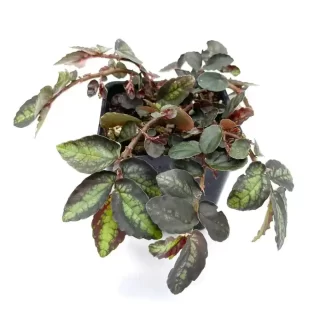
Original price was: ₹325.00.₹149.00Current price is: ₹149.00.Add to cartSelling size: Well rooted plant in a jiffy bag | Secure Packing The Pellionia repens var. pulchra, often called the Trailing Watermelon Begonia, is a beautiful and easy-to-care-for trailing plant. Its common name comes from the striking, patterned leaves that resemble the rind of a watermelon. Despite the name, it is not a true begonia …
-
Wandering Jew Plant
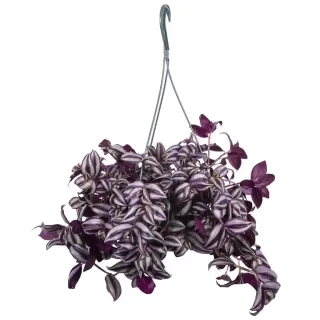
Original price was: ₹305.00.₹149.00Current price is: ₹149.00.Add to cartSelling size: This plant comes in a 2.5″ Square pot The Wandering Jew Plant, also known as the Tradescantia! They’re such vibrant and easy-to-love plants. To keep yours thriving, here’s a rundown of Wandering Jew Plant care needs: Light: They absolutely love bright, indirect sunlight. Think of a spot near an east- or west-facing window …
-
String of Bananas
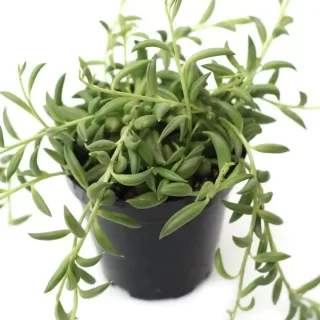
Original price was: ₹450.00.₹249.00Current price is: ₹249.00.Add to cartSelling size: Mentioned in last Picture | Secure Packing The String of Bananas (Curio radicans or Senecio radicans) is a charming trailing succulent known for its long, cascading stems covered in plump, banana-shaped leaves. It’s a popular choice for hanging baskets and is generally easy to care for, especially for those who are new …
-
String Of Nickels (Dischidia nummularia)
Price range: ₹99.00 through ₹599.00Select options This product has multiple variants. The options may be chosen on the product pageSelling size: Well rooted plant in a Jiffy bag The Dischidia nummularia, commonly known as the String of Nickels or Button Orchid, is a delightful and easy-to-care-for trailing epiphyte. Its common name comes from its small, round, coin-shaped leaves that densely cover its long, slender stems. As a relative of the Hoya, it shares a similar …
-
Philodendron Xanadu
Original price was: ₹450.00.₹199.00Current price is: ₹199.00.Add to cartSelling size:Well rooted plant | 2.5″ Pot Included | Secure Packing The Philodendron Xanadu, now officially classified as Thaumatophyllum xanadu, is a fantastic and relatively easy-to-care-for houseplant. It’s known for its compact, bushy growth habit and deeply lobed, glossy green leaves that give it a sophisticated, tropical look. Here is a complete guide to caring …



 If you need any assistance, I'm always here. Have you found what you were looking for?
Reviews
There are no reviews yet.