
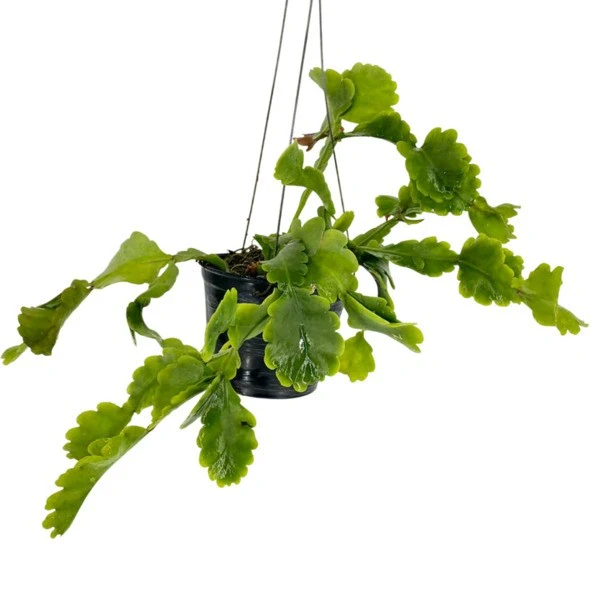
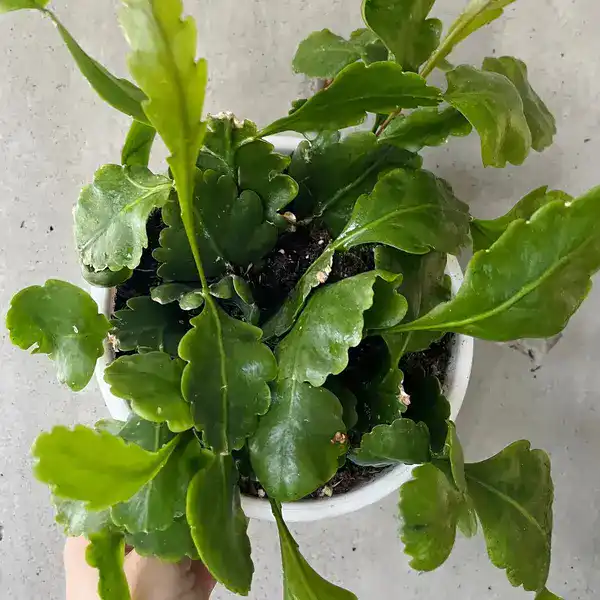
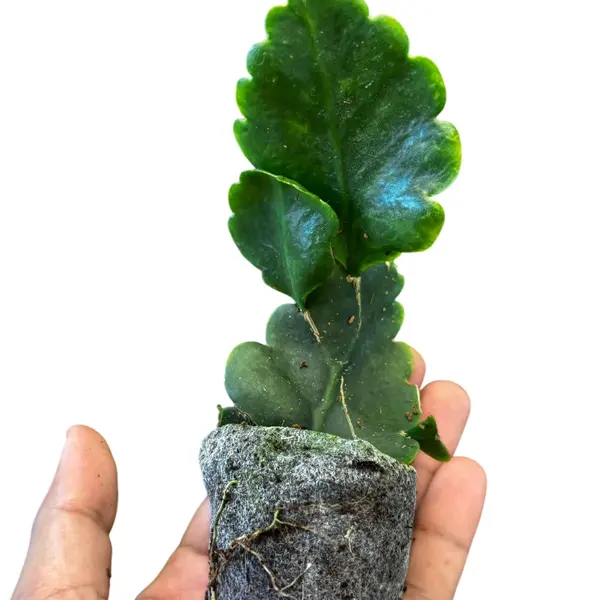
Rhipsalis Oblonga
Original price was: ₹449.00.₹149.00Current price is: ₹149.00.
3 in stock
Selling size: Single Plant | Jiffy Bag Included | Secure Packing
Rhipsalis oblonga is an epiphytic cactus, meaning it grows on other plants (typically trees) in its native habitat of tropical rainforests. This gives us important clues about its care. Unlike desert cacti, it doesn’t tolerate harsh sun or completely dry soil. It’s often grown in hanging baskets, where its long, flattened, wavy stems can cascade down.
Here is a comprehensive guide to caring for your Rhipsalis oblonga:
Light
- Bright, indirect light. This is the most crucial factor for a happy Rhipsalis. In its natural environment, it’s accustomed to the dappled light of the forest canopy.
- Avoid direct sun. Direct, hot sun can easily scorch its delicate stems, leading to yellowing, browning, or crispy spots. An east or north-facing window is ideal. A south or west-facing window would need a sheer curtain to diffuse the light.
- Low light is tolerated, but not ideal. While it can survive in lower light conditions, its growth will be much slower, and it may not flower. If you notice it getting leggy, it’s a sign it needs more light.
Water
- Keep the soil consistently moist, but not soggy. This is the main difference between jungle cacti and desert cacti. They are not drought-tolerant.
- Check the soil before watering. A good rule of thumb is to water when the top 1-2 inches of soil feel dry to the touch.
- Use well-draining soil and a pot with drainage holes. This is critical to prevent root rot, which is the most common problem for Rhipsalis.
- Reduce watering in winter. During the cooler months when the plant’s growth slows, you should water less frequently, allowing the soil to dry out a bit more between waterings.
Soil
- Well-draining, airy mix. A standard cactus mix is too heavy and not ideal.
- Organic, coarse mix. Since it grows on trees, it benefits from a mix that mimics that environment. An orchid mix or a mix specifically for epiphytic plants is a great choice. You can also make your own by combining potting soil with a generous amount of perlite, pumice, and/or orchid bark.
Humidity & Temperature
- High humidity is a plus. Rhipsalis thrives in humid conditions. You can increase humidity around the plant by misting it regularly, using a pebble tray with water, or placing it near a humidifier.
- Warm temperatures. Keep your Rhipsalis in a warm environment. It’s not frost-tolerant and should be kept away from cold drafts. Temperatures between 60°F and 80°F ( and ) are ideal.
Fertilizing
- Feed lightly during the growing season. Use a balanced, liquid fertilizer at half-strength every 2-4 weeks during the spring and summer.
- Stop fertilizing in the fall and winter. This gives the plant a rest period.
Maintenance & Propagation
- Pruning. You can prune your Rhipsalis oblonga to maintain its shape or to encourage bushier growth.
- Propagation is easy. Rhipsalis is easily propagated by stem cuttings. Simply cut a section of stem (around 4-6 inches long), let the cut end callus over for a day or two, and then place it in a well-draining potting mix. Keep the soil lightly moist and place it in a warm, bright location. Roots should form within a few weeks.
- Pests. While generally pest-free, keep an eye out for common houseplant pests like mealybugs and scale.
You must be logged in to post a review.
Related products
-
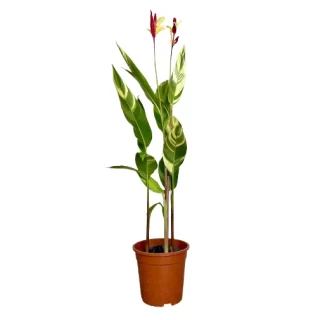
Heliconia Variegated – Super Rare
Original price was: ₹2,599.00.₹1,099.00Current price is: ₹1,099.00.Add to cartPlant size: Single plant | Pot Included | Free shipping The Variegated Heliconia (often a cultivar of Heliconia psittacorum, like ‘Lady Di’ or ‘Golden Torch’) is a striking tropical plant known for its banana-like leaves splashed with stripes of cream, yellow, or white. It is a demanding plant, requiring specific tropical conditions to thrive, especially …
-
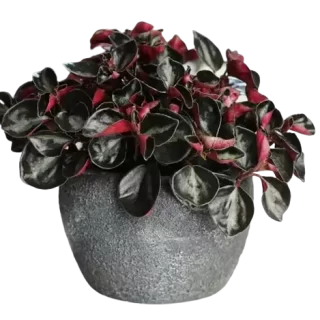
Columbian Peperomia (Galaxy pepperomia)
Original price was: ₹345.00.₹183.65Current price is: ₹183.65.Read moreSelling size:Well rooted plant in a jiffy bag The Columbian Peperomia (Peperomia metallica var. columbiana) is a visually striking and relatively low-maintenance houseplant. It is also sometimes sold as “Galaxy Peperomia,” a name that hints at its unique foliage. This plant is known for its beautiful, semi-succulent leaves that have a dark green or bronze-purple …
-
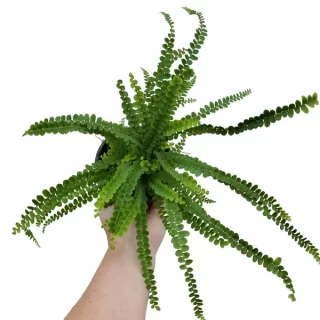
Lemon Button Fern Plant
Original price was: ₹539.00.₹179.00Current price is: ₹179.00.Add to cartSelling Size: Single plant | 2.5″ Pot Included The Lemon Button Fern (Nephrolepis cordifolia ‘Duffii’) is a popular and relatively easy-to-care-for fern. It’s known for its compact, arching fronds with small, button-like leaves and a subtle, lemony scent when you brush against them. Unlike some ferns, it’s a bit more forgiving of indoor conditions, making …
-
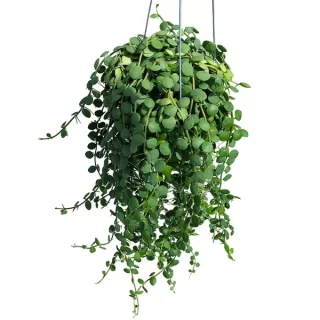
Dischidia nummularia (Pebble Beach/ Button Orchid)
Price range: ₹99.00 through ₹599.00Select options This product has multiple variants. The options may be chosen on the product pagePlant Size: Single plant | 2.5″ Pot Included he Dischidia nummularia, commonly known as the String of Nickels, Pebble Beach plant, or Button Orchid, is a charming epiphyte with trailing stems covered in small, round, succulent-like leaves. It’s a great choice for hanging baskets and is known for being relatively easy to care for, especially …
-
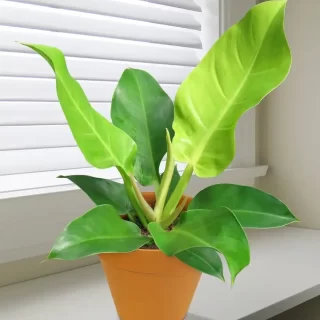
Philodendron Moonshine
Original price was: ₹1,250.00.₹249.00Current price is: ₹249.00.Add to cartSelling size: Single plant | Pot included | Secure Packing The Philodendron Moonshine (often also called ‘Moonlight’) is a popular hybrid known for its vibrant, almost glowing, chartreuse-colored leaves. It has an upright, self-heading growth habit, so unlike many vining philodendrons, it doesn’t need a trellis or pole. Here is a comprehensive guide to caring …
-
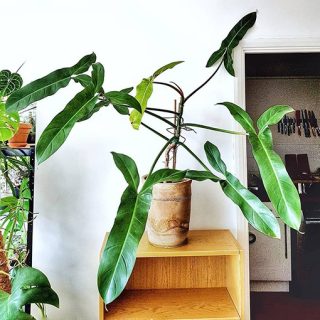
Philodendron Mexicanum
Original price was: ₹1,090.00.₹749.00Current price is: ₹749.00.Add to cartSelling size: Single Plant | Pot included The Philodendron mexicanum is a beautiful vining plant known for its long, arrow-shaped leaves with a striking deep maroon or reddish underside. As its name suggests, it is native to the tropical forests of Mexico. It’s a relatively easy-to-care-for plant, especially for those familiar with other vining philodendrons. …
-
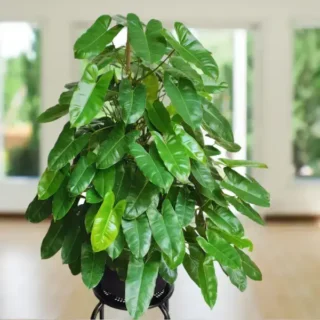
Philodendron Burle Marx Plant
Original price was: ₹485.00.₹149.00Current price is: ₹149.00.Add to cartSelling size: Single plant | Pot Included | Secure Packing The Philodendron Burle Marx is a fantastic and relatively easy-to-care-for plant, known for its glossy, spade-shaped leaves and dense, clumping growth. It’s often recommended as a great choice for beginner houseplant owners. Here is a comprehensive care guide for your Philodendron Burle Marx: Light …
 If you need any assistance, I'm always here. Have you found what you were looking for?
Reviews
There are no reviews yet.