
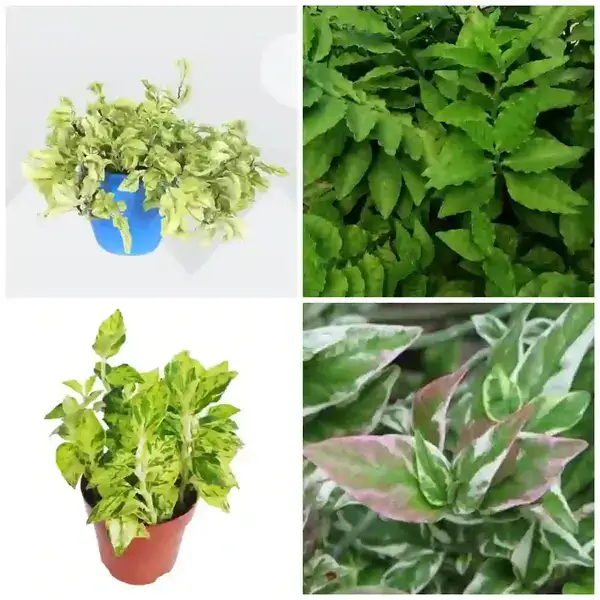
Pedilanthus 4 Plants Combo
Original price was: ₹499.00.₹349.00Current price is: ₹349.00.
Selling Size : Single Plant | Pot Included | Secure Packing
The Pedilanthus, also known as Devil’s Backbone or Slipper Plant (scientifically named Euphorbia tithymaloides), is a popular and easy-to-care-for succulent. It gets its common names from its unique, zigzagging stems and foot-shaped flowers. It’s a great choice for both beginners and experienced plant enthusiasts.
Pedilanthus combo includes
-
Pedilanthus ‘White Ghost / Curly pink plant
-
Pedilanthus Tithymaloides ‘Splish Splash’
-
Euphorbia Tithymaloides, Pedilanthus (Variegated)
-
Euphorbia Tithymaloides, Pedilanthus (Green)
Here is a comprehensive guide to caring for your Pedilanthus:
Light
- Bright, indirect light is best. Pedilanthus thrives in a location with plenty of filtered sunlight.
- Avoid direct afternoon sun, as it can scorch the leaves, especially on variegated varieties.
- The plant can tolerate partial shade, but it may become leggy and lose its vibrant coloration. A lack of light can also cause leaves to turn pale.
- It also does well under artificial grow lights.
Watering
- Allow the soil to dry out between waterings. This is a succulent, so it stores water in its stems and leaves. Overwatering is the most common cause of problems like root rot and yellowing leaves.
- A good rule of thumb is to check the soil with your finger—if the top 1-2 inches are dry, it’s time to water.
- Water less frequently during the dormant season (fall and winter). If the plant’s leaves start to shrivel or drop, it is a sign of underwatering.
Soil and Fertilizer
- Use a well-draining soil mix. A cactus or succulent potting mix is an excellent choice. You can also create your own by adding perlite or coarse sand to a standard potting mix to improve drainage.
- Fertilize during the growing season (spring and summer) with a balanced liquid houseplant fertilizer, diluted to half-strength.
- Avoid fertilizing during the fall and winter when the plant is not actively growing.
Temperature and Humidity
- Pedilanthus prefers warm temperatures between 18-29°C.
- It is not frost-hardy and should be protected from cold drafts.
- The plant is quite adaptable to typical indoor humidity levels but will appreciate a higher humidity environment. If the air is very dry, you can place it on a pebble tray with water.
Pruning and Propagation
- You can prune the plant to maintain its shape, control its size, and encourage bushier growth.
- When pruning, be aware that the plant produces a milky white sap which can be a skin irritant and is toxic if ingested. It’s best to wear gloves.
- Pedilanthus is easy to propagate from stem cuttings. Simply cut a 4-6 inch section of the stem, let the cut end “callus” (dry out and harden) for a few days, and then plant it in a well-draining soil mix.
Common Problems
- Yellowing leaves: Usually a sign of overwatering.
- Dropping leaves: Most often caused by underwatering or a sudden change in environmental conditions.
- Mealybugs and spider mites: Keep an eye out for these common pests. You can treat them with insecticidal soap or neem oil.
A note on toxicity:
- As a member of the Euphorbia family, the Pedilanthus contains a latex-based sap that is toxic. Keep this plant out of reach of children and pets.
You must be logged in to post a review.
Related products
-
Spanish Moss Air Plant
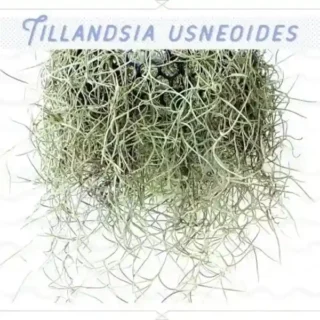
Price range: ₹49.00 through ₹1,699.00Select options This product has multiple variants. The options may be chosen on the product pageSelling size: PLEASE CHOOSE Spanish Moss Air Plant – CARE INSTRUCTIONS Scientific name: Tillandsia usneoides Synonyms: Old man’s beard, Spanish Moss, French Hair, Spanish Beard Spanish Moss is a delicate silvery-grey air plant that is often used to hang in trees or as a gorgeous decor piece without the need for soil. Despite its name, Spanish Moss …
-
Scindapsus Pictus Exotica
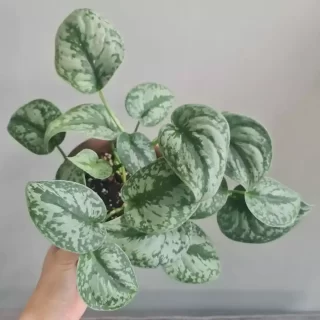
Original price was: ₹380.00.₹99.00Current price is: ₹99.00.Add to cartSelling size: Single Plant | 2.5″ Pot Included The Scindapsus Pictus Exotica, also known as the silver pothos, is a houseplant with large, dark green leaves that have silver spots and mottling. Here’s a guide to caring for your Scindapsus pictus Exotica plant: Light: Prefers bright, indirect light. An east or west-facing window that’s about …
-
Philodendron Moonshine
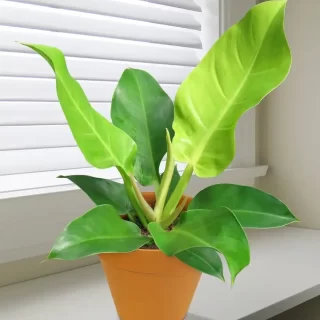
Original price was: ₹1,250.00.₹249.00Current price is: ₹249.00.Add to cartSelling size: Single plant | Pot included | Secure Packing The Philodendron Moonshine (often also called ‘Moonlight’) is a popular hybrid known for its vibrant, almost glowing, chartreuse-colored leaves. It has an upright, self-heading growth habit, so unlike many vining philodendrons, it doesn’t need a trellis or pole. Here is a comprehensive guide to caring …
-
Philodendron Mexicanum
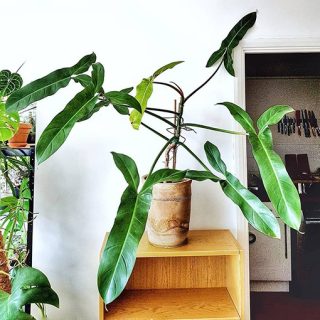
Original price was: ₹1,090.00.₹749.00Current price is: ₹749.00.Add to cartSelling size: Single Plant | Pot included The Philodendron mexicanum is a beautiful vining plant known for its long, arrow-shaped leaves with a striking deep maroon or reddish underside. As its name suggests, it is native to the tropical forests of Mexico. It’s a relatively easy-to-care-for plant, especially for those familiar with other vining philodendrons. …
-
Wandering Jew Plant
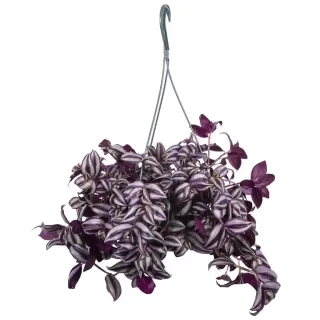
Original price was: ₹305.00.₹149.00Current price is: ₹149.00.Add to cartSelling size: This plant comes in a 2.5″ Square pot The Wandering Jew Plant, also known as the Tradescantia! They’re such vibrant and easy-to-love plants. To keep yours thriving, here’s a rundown of Wandering Jew Plant care needs: Light: They absolutely love bright, indirect sunlight. Think of a spot near an east- or west-facing window …
-
Philodendron ‘Prince of Orange’
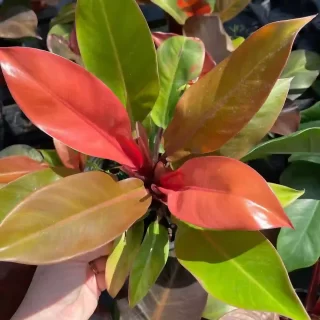
Price range: ₹199.00 through ₹620.00Select options This product has multiple variants. The options may be chosen on the product pageSelling Size : Single Plant | Pot Included | Secure Packing The Philodendron ‘Prince of Orange’ is a stunning and popular hybrid known for its vibrant, ever-changing leaf colors. New leaves emerge as a brilliant orange or coppery color, and as they mature, they transition to a lime green, then a deep, glossy green. It …
-
Philodendron Burle Marx Plant
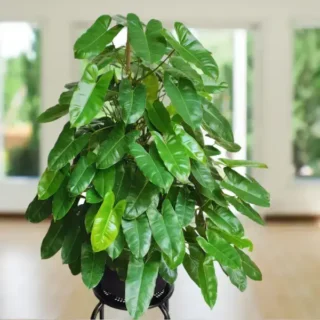
Original price was: ₹485.00.₹149.00Current price is: ₹149.00.Add to cartSelling size: Single plant | Pot Included | Secure Packing The Philodendron Burle Marx is a fantastic and relatively easy-to-care-for plant, known for its glossy, spade-shaped leaves and dense, clumping growth. It’s often recommended as a great choice for beginner houseplant owners. Here is a comprehensive care guide for your Philodendron Burle Marx: Light …
-
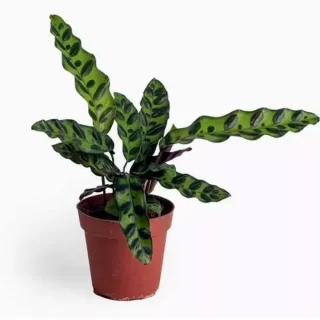
Calathiya Rattlesnake Plant
Price range: ₹125.00 through ₹549.00Select options This product has multiple variants. The options may be chosen on the product pageSelling size: Please Choose | Secure Packing | 2.5″-4″ Pot Included Calathiya rattlesnake is a plant easy to care for. However, there are a few measures and precautions you need to take to grow and maintain yours. Here’s a comprehensive guide for rattlesnake plant : Light Calathea Lancifolia prefers bright, indirect light. Like most variegated …
 If you need any assistance, I'm always here. Have you found what you were looking for?
Reviews
There are no reviews yet.