
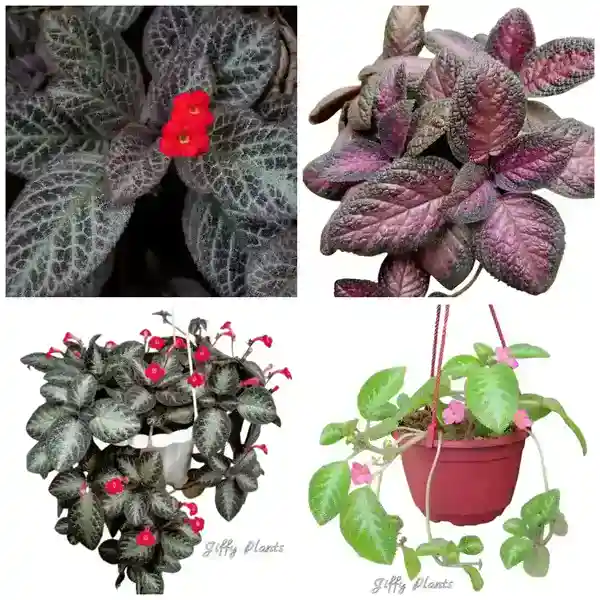
Episcia 4 Plants Combo
Original price was: ₹1,199.00.₹449.00Current price is: ₹449.00.
Out of stock
Email when stock available
Selling Size : Single Plant | Pot Included | Secure Packing
Episcia, often called “Flame Violets” or “Peacock Plants,” are a group of beautiful, trailing houseplants prized for their stunning, textured foliage and small, trumpet-shaped flowers. They are relatives of the African Violet and share some similar care needs, particularly a love for high humidity.
Episcia 4 Varieties Combo Included
-
Episcia Shimmering Red Flower
-
Episcia Silver Shield- Red Flower
-
Episcia Malayan Gem – Red Flower
-
Episcia Lil Lemon – Pink Flower
- Episcia 4 Plants Combo
Here’s a comprehensive guide to caring for Episcia :
Light
- Bright, indirect light is essential. Episcias thrive in bright light but are very sensitive to direct sun, which can scorch their delicate leaves and cause the vibrant colors to fade.
- Ideal placement: An east- or north-facing window is perfect, as it provides plenty of gentle morning light.
- Artificial light: They also grow well under fluorescent or LED grow lights, which can provide the consistent, bright light they need without the risk of burning.
Water
- Keep the soil consistently moist, but not soggy. Episcias are susceptible to root rot, so it’s crucial to find a balance. The soil should never be waterlogged.
- Check the soil: Water your plant when the top half-inch to one inch of soil feels dry to the touch. In winter, when the plant’s growth slows, you can allow the soil to dry out a bit more between waterings.
- Use lukewarm water. Cold water can shock the roots of these tropical plants and cause unsightly yellow spots on the leaves.
- Avoid getting water on the leaves. The fuzzy leaves can develop spots or rot if water sits on them for too long. Bottom watering is a great way to avoid this.
Humidity and Temperature
- High humidity is crucial. Episcias are native to the tropical rainforests of Central and South America and require high humidity (ideally 50% or higher) to thrive. Low humidity is a common reason for browning leaf edges and overall poor health.
- Ways to increase humidity:
- Use a pebble tray filled with water beneath the pot (make sure the bottom of the pot is not in the water).
- Place a small room humidifier nearby.
- Group the Episcia with other plants to create a microclimate.
- Growing them in a terrarium or cloche is also an excellent option.
- Keep them warm. They prefer temperatures between 65-80°F (18-27°C). They are very intolerant of cold temperatures and drafts. Temperatures below 60°F can cause the leaves to curl, droop, and turn brown, and prolonged exposure to cold can be fatal.
Soil and Fertilizer
- Use a well-draining, airy potting mix. An African violet potting mix is ideal, as it is designed for similar root systems. You can also make your own by combining potting soil with perlite and peat moss to improve aeration and drainage.
- Fertilize during the growing season. Feed your Episcia with a balanced, liquid houseplant fertilizer diluted to half strength every 2-4 weeks during the spring and summer.
- Avoid over-fertilizing. Too much fertilizer, especially one high in nitrogen, can promote lush foliage at the expense of flowers.
Propagation
- Propagating from runners (stolons) is the easiest method. Episcias naturally produce long, trailing runners with small plantlets at the ends.
- Rooting method: You can place a small pot of soil next to the mother plant and pin the runner onto the soil. Once the new plantlet has rooted, you can snip it from the mother plant. Alternatively, you can snip the plantlet and root it in water or soil on its own.
- Propagation from leaf cuttings is also possible, but it is a much slower process.
Common Problems
- Browning/crispy leaves: This is almost always a sign of low humidity.
- Yellowing leaves: The most common cause is overwatering. Check the soil moisture and ensure the pot has proper drainage.
- Drooping leaves: Can be a sign of both under- and overwatering, as well as exposure to cold temperatures.
- Lack of flowers: This is often caused by a lack of sufficient light. Episcias need bright light to produce blooms.
- Pests: They can be susceptible to common pests like mealybugs, aphids, and spider mites. High humidity can help deter spider mites.
You must be logged in to post a review.
Related products
-
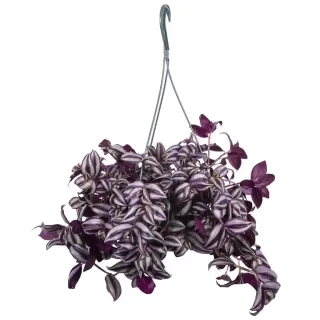
Wandering Jew Plant
Original price was: ₹305.00.₹149.00Current price is: ₹149.00.Add to cartSelling size: This plant comes in a 2.5″ Square pot The Wandering Jew Plant, also known as the Tradescantia! They’re such vibrant and easy-to-love plants. To keep yours thriving, here’s a rundown of Wandering Jew Plant care needs: Light: They absolutely love bright, indirect sunlight. Think of a spot near an east- or west-facing window …
-
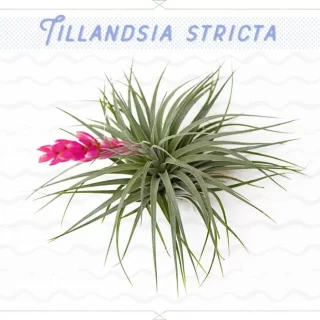
Tillandsia Stricta (Air plant)
Original price was: ₹400.00.₹199.00Current price is: ₹199.00.Add to cartSelling size: Single plant | Secure Packing The Tillandsia Stricta (Air plant) is one of the most popular and adaptable species of air plants, known for its soft, green-silver foliage and beautiful blooms. Like all air plants, it is epiphytic, meaning it absorbs all its water and nutrients through its leaves from the air, not …
-
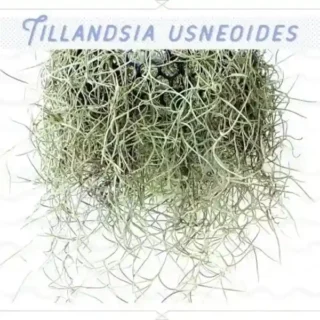
Spanish Moss Air Plant
Price range: ₹49.00 through ₹1,699.00Select options This product has multiple variants. The options may be chosen on the product pageSelling size: PLEASE CHOOSE Spanish Moss Air Plant – CARE INSTRUCTIONS Scientific name: Tillandsia usneoides Synonyms: Old man’s beard, Spanish Moss, French Hair, Spanish Beard Spanish Moss is a delicate silvery-grey air plant that is often used to hang in trees or as a gorgeous decor piece without the need for soil. Despite its name, Spanish Moss …
-
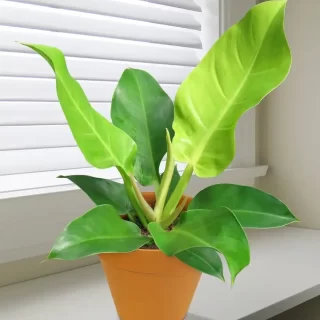
Philodendron Moonshine
Original price was: ₹1,250.00.₹249.00Current price is: ₹249.00.Add to cartSelling size: Single plant | Pot included | Secure Packing The Philodendron Moonshine (often also called ‘Moonlight’) is a popular hybrid known for its vibrant, almost glowing, chartreuse-colored leaves. It has an upright, self-heading growth habit, so unlike many vining philodendrons, it doesn’t need a trellis or pole. Here is a comprehensive guide to caring …
-
String Of Nickels (Dischidia nummularia)
Price range: ₹99.00 through ₹599.00Select options This product has multiple variants. The options may be chosen on the product pageSelling size: Well rooted plant in a Jiffy bag The Dischidia nummularia, commonly known as the String of Nickels or Button Orchid, is a delightful and easy-to-care-for trailing epiphyte. Its common name comes from its small, round, coin-shaped leaves that densely cover its long, slender stems. As a relative of the Hoya, it shares a similar …
-
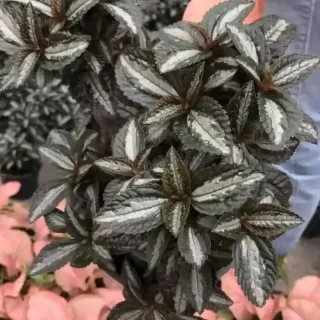
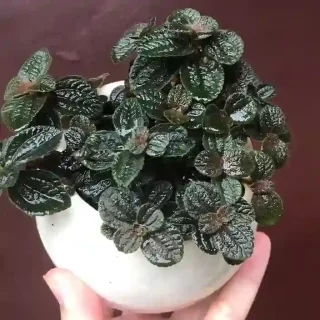
Pilea Repens, Black Panamiga
Original price was: ₹280.00.₹149.00Current price is: ₹149.00.Add to cartSize: Single Plant | Jiffy Bag Caring for a Pilea Ripens (also known as Black Panamiga) involves understanding its specific needs to ensure it thrives. Here’s a breakdown of Pilea Repens, Black Panamiga key care aspects: Key Care Points: Light: Pilea repens prefers bright, indirect sunlight. Direct sunlight can scorch its leaves. Rotating the plant …
-
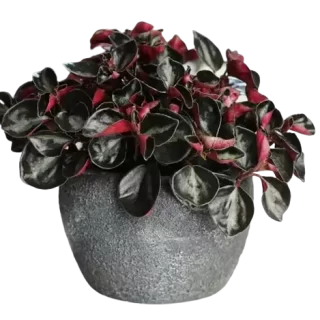
Columbian Peperomia (Galaxy pepperomia)
Original price was: ₹345.00.₹183.65Current price is: ₹183.65.Read moreSelling size:Well rooted plant in a jiffy bag The Columbian Peperomia (Peperomia metallica var. columbiana) is a visually striking and relatively low-maintenance houseplant. It is also sometimes sold as “Galaxy Peperomia,” a name that hints at its unique foliage. This plant is known for its beautiful, semi-succulent leaves that have a dark green or bronze-purple …

 If you need any assistance, I'm always here. Have you found what you were looking for?
Reviews
There are no reviews yet.